 Preview
 Send
Send Share
Share
 Details

 Download
 Similars
 X-Ray
X-Ray Diaporama
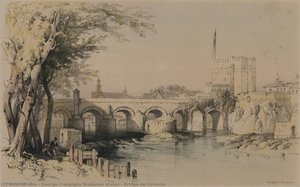
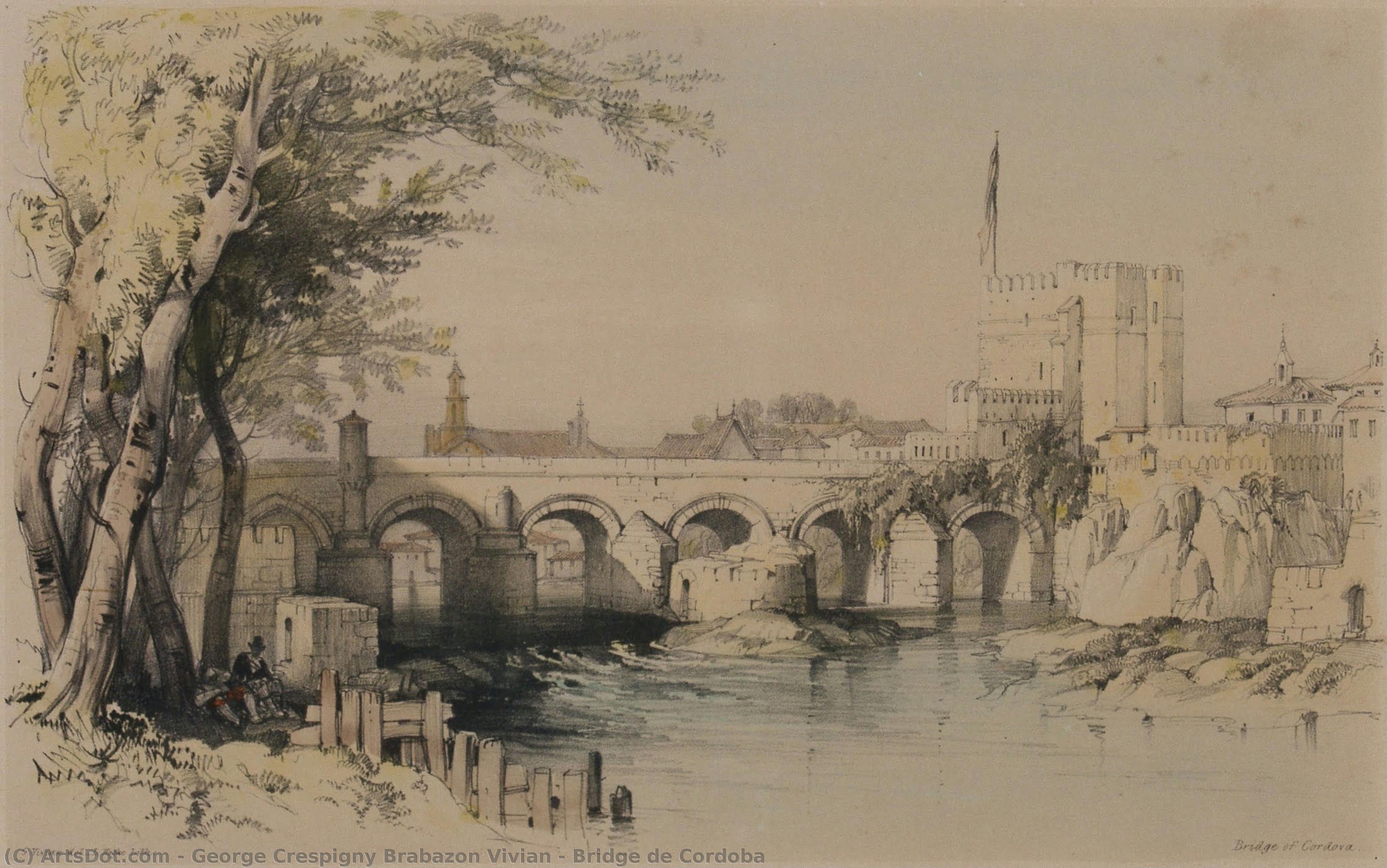
Bridge de Cordoba
 31.0 x 25.0 cm
 Museum of Fine Arts of Córdoba
 Read More
Hand Made Oil Reproduction
Hand-painted oil on canvas in your size and frame, made to order by our artists. ( Buy Print Buy Image)




































Pick from our preset sizes that match the artwork's original proportions.

You may enter your own dimensions to fit a specific frame or space. If your selected size does not match the original image's proportions, we will either crop the artwork or extend the painting with additional hand-painted elements. A digital mockup will be sent for your approval before production begins.
Please note that the on-screen preview does not reflect the actual cropping or extension. Only the mockup will accurately show the final composition.
While custom sizes are available, we recommend selecting a dimension from the predefined list to preserve the original proportions.
After order, ArtsDot.com team will email client for instructions and provide a mockup preview
Worldwide Delivery () in 3/4 weeks instead of standard 5 weeks. (17 August). No compromise on quality.

Free Worldwide Express Shipping

High-Quality Linen Canvas

Full Shipping Insurance

Customs Tax Refund Guarantee

True Color Matching Guarantee

60-Day Return Policy (Defects Only)

100% Money-Back Guarantee

Bulk Discount Offer
 Glass option is only available in size under 110 CM

Bridge de Cordoba
Reproduction Medium
Reproduction Size
-


Total Price
$ 263
Related Artworks
Artist Biography
A Life Forged in Conflict and Canvas
The life of George Crespigny Brabazon Vivian stands as a profound testament to the delicate intersection of military duty and artistic devotion. Born in 1878 in Sault Ste. Marie, Ontario, his early years were shaped by a dual heritage that would later inform the depth of his vision. While his roots reached back to Canada, his trajectory was irrevocably tied to the British aristocracy and the heavy responsibilities of the 4th Baron Vivian. This duality—the ruggedness of a pioneer spirit blended with the refined sensibilities of an Eton-educated nobleman—created a unique psychological landscape from which his art would emerge.
Vivian’s existence was profoundly marked by the tumultuous historical currents of the late nineteenth and early twentieth centuries. His service in the Royal Garrison Artillery and later as a cavalry officer in the 17th Lancers placed him at the very heart of global upheaval. Through the harrowing experiences of the Second Anglo-Boer War and the devastating realities of World War I, Vivian witnessed the fragility of life and the stark, unyielding truth of the natural world. It was perhaps this exposure to the raw, unfiltered elements of existence that instilled in him a meticulous attention to detail and an unwavering commitment to realism. The discipline required of a soldier—the precise observation of terrain, the careful study of light and shadow during maneuvers—became the very foundation of his painterly technique.
The Precision of the Topographical Eye
As an artist, Vivian departed from the fleeting, ephemeral qualities of the Impressionist movement, choosing instead to embrace the rigorous discipline of topographical art. His work was not merely about capturing a moment, but about documenting the enduring essence of a place. He approached the canvas with the eye of a cartographer and the soul of a poet, seeking to render landscapes and architectural structures with an unparalleled accuracy that honored their true form. This dedication to precision allowed his paintings to serve as windows into specific, storied locations, preserving the character of much-loved vistas for posterity.
His subject matter often wandered through the sun-drenched landscapes of Spain and the lush, curated beauty of Italian gardens. In these works, one finds a masterful command of texture and light:
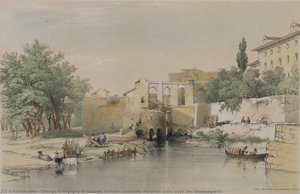
- Spanish Landscapes: His depictions of regions such as Cordoba are characterized by a profound respect for historical architecture, where Moorish mills over the Guadalquivier are rendered with a sense of timelessness and structural integrity.
- Italian Gardens: In his views of Italian estates, Vivian captured the harmonious relationship between man-made elegance and organic growth, using light to define the intricate layers of foliage and stone.
- Technical Realism: Eschewing broad, suggestive strokes, he utilized a refined palette to ensure that every architectural detail and botanical nuance contributed to a cohesive, believable reality.
A Legacy of Observational Truth
The historical significance of George Crespigny Brabazon Vivian lies in his ability to translate the discipline of military observation into a lasting artistic legacy. He did not seek to reinvent the landscape through abstraction, but rather to deepen our appreciation for it through unflinching truth. His paintings remain vital records of the European landscapes he traversed, capturing a sense of peace and permanence that stood in stark contrast to the chaos of the wars he endured.
Ultimately, Vivian’s oeuvre represents a bridge between two worlds: the structured, duty-bound life of a British soldier and the contemplative, observant life of a fine artist. His ability to find beauty in the precise rendering of a stone archway or a riverbank ensures that his work continues to resonate with those who value the quiet power of realism. He remains a pioneer of the topographical genre, leaving behind a collection of works that serve as both historical documents and profound meditations on the enduring majesty of the natural world.
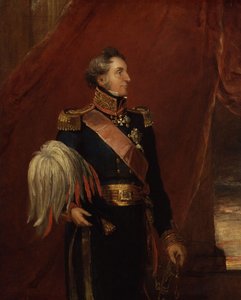
george crespigny brabazon vivian
1878 - 1940 , Canada
Quick Facts
- Artistic Movement Or Style: Topographical Art
- Date Of Birth: January 21, 1878
- Date Of Death: December 28, 1940
- Full Name: George Crespigny Brabazon Vivian
- Nationality: Canadian-British
- Notable Artworks:
- Spanish Landscapes
- Views from Italian Gardens
- Place Of Birth: Sault Ste. Marie, Canada