 Preview
 Send
Send Share
Share
 Details

 Download
 Similars
 X-Ray
X-Ray Diaporama
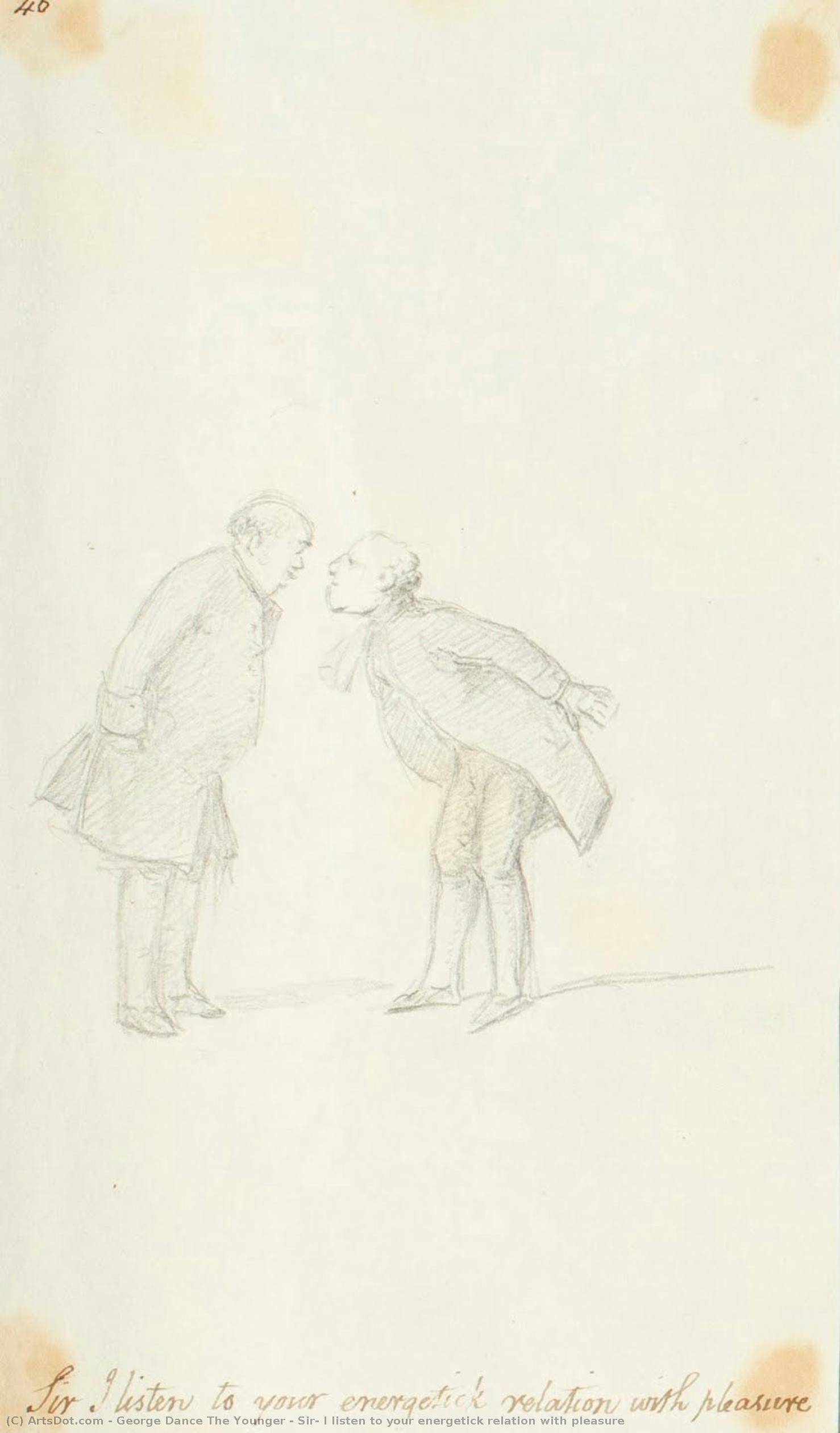
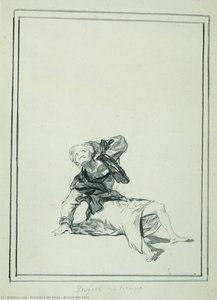
Sir, I listen to your energetick relation with pleasure

 Read More
Hand Made Oil Reproduction
Hand-painted oil on canvas in your size and frame, made to order by our artists. ( Buy Print Buy Image)




































Pick from our preset sizes that match the artwork's original proportions.

You may enter your own dimensions to fit a specific frame or space. If your selected size does not match the original image's proportions, we will either crop the artwork or extend the painting with additional hand-painted elements. A digital mockup will be sent for your approval before production begins.
Please note that the on-screen preview does not reflect the actual cropping or extension. Only the mockup will accurately show the final composition.
While custom sizes are available, we recommend selecting a dimension from the predefined list to preserve the original proportions.
After order, ArtsDot.com team will email client for instructions and provide a mockup preview
Worldwide Delivery () in 3/4 weeks instead of standard 5 weeks. (23 August). No compromise on quality.

Free Worldwide Express Shipping

High-Quality Linen Canvas

Full Shipping Insurance

Customs Tax Refund Guarantee

True Color Matching Guarantee

60-Day Return Policy (Defects Only)

100% Money-Back Guarantee

Bulk Discount Offer
 Glass option is only available in size under 110 CM

Sir, I listen to your energetick relation with pleasure
Reproduction Medium
Reproduction Size
-


Total Price
$ 288
Artwork Description
Related Artworks






Artist Biography
A Legacy Carved in Stone and Spirit
To wander through the historic streets of London is to walk amidst the enduring echoes of George Dance the Younger. A man whose life was inextricably woven into the very fabric of the Georgian era, Dance was far more than a mere surveyor or architect; he was a visionary who understood how the built environment could reflect the soul of a burgeoning empire. Born in London on March 20, 1741, he emerged from a distinguished lineage of creators, the fifth and youngest son of the esteemed architect George Dance the Elder. This heritage provided him with a profound foundation, yet it was his own unique journey—one that took him from the bustling workshops of his father to the hallowed, sun-drenched halls of Roman antiquity—that would ultimately define his contribution to British art and architecture.
The formative years of Dance’s life were marked by a deep immersion in the classical tradition. Following an apprenticeship under his father, he embarked on a transformative six-year pilgrimage to Rome in 1758. It was within the shadow of ancient ruins and the halls of the Accademia di S. Luca that his aesthetic sensibilities were truly forged. Immersed in the study of Roman antiquity, Dance absorbed the principles of symmetry, proportion, and the monumental grace of the classical world. This period of intense observation allowed him to internalize the emerging language of Neoclassicism, a style that would later allow him to breathe new life into the London landscape, blending ancient grandeur with the practical needs of an evolving metropolis.
The Architect of Urban Elegance
Upon his return to England in 1765, Dance did not merely resume his father’s mantle; he expanded it. Taking up the role of clerk of the City works following his father's passing, he became a pivotal figure in the urban redevelopment of London. His work was characterized by an exquisite command of form and a subtle, sophisticated use of ornamentation that avoided the heavy-handedness of previous eras. While many of his most ambitious town planning schemes, such as those for Finsbury Circus and St George’s Circus, remained unrealized, their conceptual brilliance left an indelible mark on the city's topographical imagination, influencing the very shape of London's future crescents and squares.
His architectural achievements are perhaps most tangibly felt in his ecclesiastical and civic contributions. The Theatre Royal in Bath stands as a breathtaking testament to his ability to design spaces of both grandeur and intimacy, serving as one of the most significant surviving examples of Georgian theatre architecture. His hand is also seen in the redesign of the Church of All Hallows, London Wall, where he demonstrated a masterful ability to manipulate light and space through classical motifs. Beyond the structural, Dance’s influence permeated the cultural institutions of his time; as a founding member of the Royal Academy, he stood at the epicenter of the British art world, even serving as the Professor of Architecture, a position that underscored his status as a leading intellectual of his age.
A Multifaceted Artistic Identity
Though history often remembers him through the lens of stone and mortar, George Dance the Younger possessed a versatile creative spirit that extended into the realm of portraiture. This duality—the ability to capture the permanence of a building and the fleeting essence of a human countenance—speaks to a rare depth of perception. His life was a tapestry of artistic disciplines, influenced by a family that included notable painters and dramatists. This multidisciplinary upbringing allowed him to approach architecture not just as an engineering feat, but as a form of dramatic storytelling, where every column and cornice played a part in a larger aesthetic narrative.
As the century turned, Dance’s influence continued to resonate through the evolving Neoclassical movement. He remained a steadfast guardian of classical principles even as tastes shifted, ensuring that the elegance of the Georgian period was anchored in historical truth. When he passed away in Bloomsbury on January 14, 1825, he left behind a London that had been fundamentally reshaped by his vision. His legacy is not found merely in the buildings that remain, but in the very atmosphere of classical dignity and ordered beauty that continues to define the historic heart of the British capital.
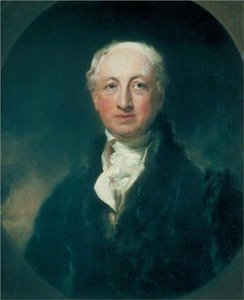
george dance the younger
1741 - 1825 , United Kingdom
Quick Facts
- Artistic Movement Or Style: Georgian Design
- Artists Or Movements Influenced By This Artist: ['Classical Architecture']
- Artists Who Influenced This Artist: ['George Dance the Elder']
- Date Of Birth: April 1741
- Full Name: George Dance the Younger
- Nationality: English
- Notable Artworks:
- Sir, I listen to your energetick relation with pleasure
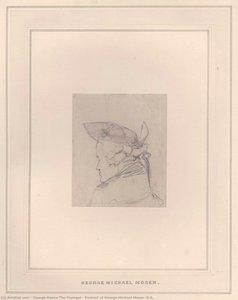
- Portrait of George Michael Moser, R.A.
- Place Of Birth: London, United Kingdom