 Preview
 Send
Send Share
Share
 Details

 Download
 Similars
 X-Ray
X-Ray Diaporama
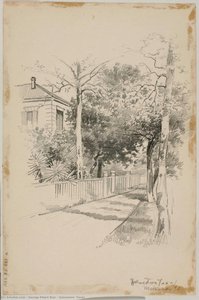
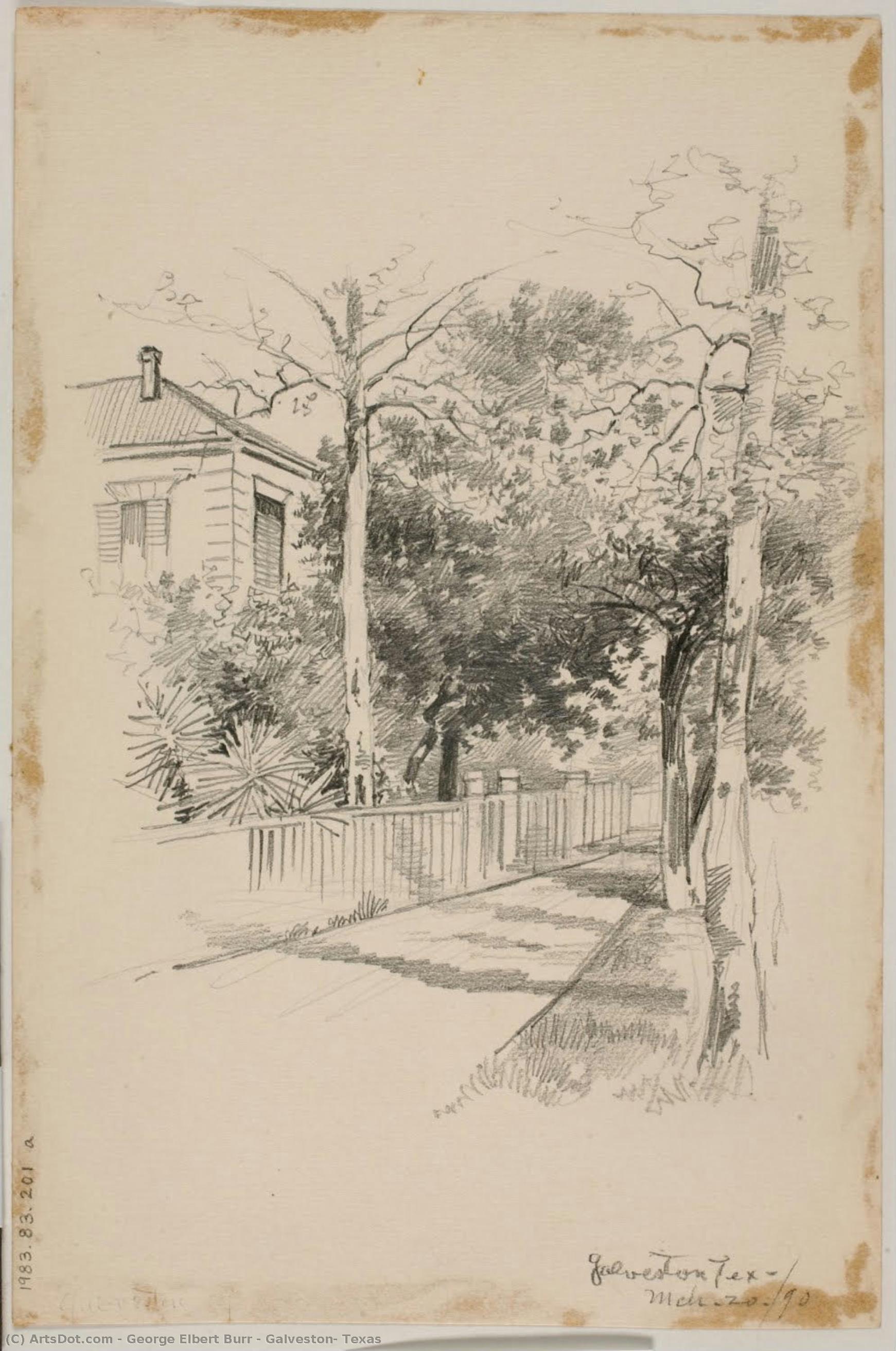
Galveston, Texas
 Drawing
- WallArt
 1890
1890- 19th Century
 20.0 x 13.0 cm
 Smithsonian American Art Museum
 Read More
Hand Made Oil Reproduction
Hand-painted oil on canvas in your size and frame, made to order by our artists. ( Buy Print Buy Image)




P118B $10

P118H $10

P118W $10

P438Z $10

P508JH $12

P508YH $12

P805H $10

P805Z $10

P919BZ $10

P919G $10

P919XJ $10

P959ZH $10

P968JZ $12

W106C $8

W218G $10

W218JH $8

W218Y $10

W307PJ $10

W316G $10

W316PJ $8

W316Y $10

W398PJ $8

W4111J $10

W500HY $15

W500JH $15

W692G $12

W849H $8

W940BG $15

W953PJ $8




Pick from our preset sizes that match the artwork's original proportions.

You may enter your own dimensions to fit a specific frame or space. If your selected size does not match the original image's proportions, we will either crop the artwork or extend the painting with additional hand-painted elements. A digital mockup will be sent for your approval before production begins.
Please note that the on-screen preview does not reflect the actual cropping or extension. Only the mockup will accurately show the final composition.
While custom sizes are available, we recommend selecting a dimension from the predefined list to preserve the original proportions.
After order, ArtsDot.com team will email client for instructions and provide a mockup preview
Worldwide Delivery () in 3/4 weeks instead of standard 5 weeks. (18 August). No compromise on quality.

Free Worldwide Express Shipping

High-Quality Linen Canvas

Full Shipping Insurance

Customs Tax Refund Guarantee

True Color Matching Guarantee

60-Day Return Policy (Defects Only)

100% Money-Back Guarantee

Bulk Discount Offer
 Glass option is only available in size under 110 CM

Galveston, Texas
Reproduction Medium
Reproduction Size
-


Total Price
$ 263
Artwork Description
A Window into the Past: The Quietude of Galveston
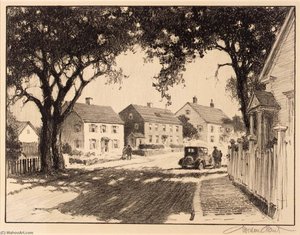
In this evocative black and white drawing from 1890, we are transported to a bygone era of American coastal life. Galveston, Texas serves not merely as a setting, but as a living character, captured through the delicate and precise hand of George Elbert Burr. The scene unfolds along a tranquil street, where the architecture of a stately house with its prominent chimney anchors the left side of the composition. Trees line the thoroughfare, their branches casting soft shadows that suggest a warm, sun-drenched afternoon. This is a moment frozen in time, a nostalgic glimpse into a period before the frenetic pace of modernity, where the rhythm of life was dictated by the gentle movement of pedestrians and the slow passage of the day.
The composition is masterfully balanced, inviting the viewer to wander through the frame. As our eyes move along the sidewalk, we encounter various figures—some strolling in the foreground, others receding into the soft distance—creating a profound sense of depth and perspective. A solitary bicycle, parked near the center of the scene, acts as a subtle symbol of the era's burgeoning mobility and the quiet simplicity of daily existence. Through this meticulous arrangement, Burr captures more than just a streetscape; he captures an atmosphere of peace, a stillness that resonates with anyone seeking a moment of reflection.
Mastery of Line and Light
While George Elbert Burr is often celebrated for his expansive desert landscapes and the dramatic textures of his etchings, this particular work showcases his incredible ability to command fine detail within a monochromatic palette. The technique relies heavily on the interplay of light and shadow to define form and texture. Without the distraction of color, the viewer is forced to engage with the structural integrity of the buildings and the organic silhouettes of the trees. Every line serves a purpose, contributing to the overall sense of realism and historical authenticity.
The artist’s background in scientific observation and natural history is evident here in the way he renders the textures of the urban environment. There is a rhythmic quality to the way the light hits the sidewalk and the foliage, creating a visual melody that guides the eye through the composition. For collectors and interior designers, this piece offers a sophisticated textural element. Its monochromatic elegance allows it to integrate seamlessly into diverse decor styles—from classic traditionalism to contemporary minimalist settings—providing a focal point that is both intellectually stimulating and visually soothing.
An Emotional Resonance for the Modern Collector
Beyond its historical value, Galveston, Texas possesses an enduring emotional impact. In an age characterized by digital noise and constant motion, there is something deeply restorative about Burr’s vision of a quiet, orderly world. The drawing evokes a sense of longing for a simpler time, making it an ideal acquisition for those looking to infuse their living spaces with a sense of calm and historical gravity. It is a piece that invites contemplation, encouraging the viewer to slow down and appreciate the subtle beauty found in the mundane.
For the discerning art lover, owning a reproduction of this work is an opportunity to possess a fragment of American history. Whether displayed in a private study, a grand hallway, or a curated gallery wall, this artwork serves as a conversation piece that bridges the gap between the nineteenth and twenty-first centuries. It is not merely a depiction of a Texas street; it is an invitation to step into a serene, historical dreamscape, preserved forever through the masterful artistry of George Elbert Burr.
Related Artworks
Artist Biography
George Elbert Burr: A Desert Visionary
George Elbert Burr (1859 – 1939) stands as a singular figure in American printmaking and painting, remembered primarily for his masterful depictions of the American West’s dramatic landscapes—particularly its deserts and mountains. Born in Cincinnati, Ohio, Burr pursued an artistic education initially focusing on illustration before gravitating towards etching and watercolor techniques that would define his distinctive style. His work transcends mere representation; it embodies a profound sensitivity to light, texture, and atmosphere, capturing the essence of solitude and grandeur within these expansive environments.- Early Life & Education: Burr’s formative years were marked by an interest in natural history and scientific observation—influences that would permeate his artistic vision. He studied at Cincinnati Art Academy and later traveled extensively throughout Europe, absorbing the Impressionist movement's techniques and aesthetic principles.
- The Rise of Etching: Burr’s breakthrough came with etching, a medium he embraced wholeheartedly during the late Victorian era. His meticulous approach to creating prints involved painstakingly transferring images from drawings onto copper plates, utilizing acid baths to carve intricate lines that would ultimately produce stunningly detailed impressions. This painstaking process demanded patience and precision—qualities Burr possessed in abundance.
- Desert Landscapes & Stylistic Evolution: Burr’s artistic focus shifted decisively towards the American Southwest during the early 20th century. He embarked on numerous expeditions to Arizona, Utah, Nevada, and California, documenting the region's geological formations and ephemeral beauty with breathtaking watercolors and drypoint etchings. His style evolved over time—characterized by a gradual simplification of forms and an increasing emphasis on tonal harmonies—reflecting his growing understanding of how light interacts with surface textures.
- Notable Achievements & Recognition: Burr’s prints gained considerable acclaim during his lifetime, securing commissions from prominent institutions like the Smithsonian Institution and earning recognition as a leading exponent of American landscape art. His works are held in collections across the nation and continue to inspire artists today.
Key Works & Artistic Style
Burr’s oeuvre comprises approximately 350 prints and drawings, showcasing his remarkable versatility as an artist. Among his most celebrated pieces include ‘Castle Schönburg, Oberwesel,’ a meticulously rendered watercolor capturing the imposing silhouette of a medieval castle against a twilight sky—a testament to his ability to convey both historical detail and emotional resonance. Similarly, ‘Untitled (Transfer Drawing for November)’ presents a starkly beautiful monochrome sketch conveying the desolate beauty of Nevada’s desert terrain. His distinctive style is marked by:- Detailed Linework: Burr's etchings are renowned for their extraordinarily fine lines—a hallmark of his technique that captures subtle nuances of form and texture.
- Tonal Harmony: Watercolor paintings demonstrate Burr’s masterful control over color palettes, achieving harmonious blends that evoke the mood and atmosphere of the landscapes he depicted.
- Emphasis on Light & Shadow: Throughout his work, Burr skillfully employed chiaroscuro—the interplay of light and shadow—to heighten visual drama and convey a sense of depth.
Legacy & Historical Significance
George Elbert Burr’s contribution to American art extends beyond the aesthetic realm; he embodies the spirit of exploration and observation that characterized the Progressive Era. His unflinching portrayal of the West—often imbued with a contemplative stillness—served as an inspiration for subsequent generations of artists seeking to capture the sublime grandeur of nature. Today, Burr's prints remain treasured artifacts of early 20th-century art history, offering viewers a glimpse into a bygone era and reaffirming the enduring power of artistic vision.
George Elbert Burr
1859 - 1939
Quick Facts
- Artistic Movement Or Style: Western Landscapes
- Date Of Death: 1939
- Full Name: George Elbert Burr
- Nationality: American
- Notable Artworks:
- Castle Schönburg, Oberwesel
- Untitled (transfer drawing for November)
- Winter (No. 1)
- Place Of Birth: USA
Related Articles

White on Canvas: 10 Masterpieces & Timeless Elegance for Your Home Decor
Explore 10 iconic white paintings by Monet, Whistler & Rothko! Discover the stories behind these serene masterpieces and their impact on art history. Find museum-quality reproductions for your home decor at .

Dark Masterpieces: 10 Iconic Paintings Dominated by Black Tones |
Explore 10 iconic paintings dominated by black tones, from Rembrandt’s chiaroscuro to Goya's dark expressions. Discover the stories behind these masterpieces & find museum-quality art reproductions for your home at .

Monochrome Visions: Exploring the Aesthetic & Historical Significance of Black & White Photography
Explore the rich history & artistic power of black and white photography. From early techniques to iconic masters like Ansel Adams, discover why monochrome continues to captivate art lovers today. Expert insights for collectors.
Mars Black Masterpieces: 10 Iconic Paintings & Timeless Art Decor Ideas
Delve into the power of 'Mars Black' with 10 iconic paintings by masters like Rembrandt & Caravaggio. Explore dramatic chiaroscuro, gothic art, and timeless beauty. Find museum-quality reproductions & elevate your home decor on .
The Nuances of Graphite: Exploring Emotional Depth & Technical Mastery in Pencil Drawing
Explore the captivating world of graphite drawing! Discover its rich history, master essential techniques like chiaroscuro, and learn how artists evoke emotion through this timeless medium. Expert insights for art enthusiasts.
![Untitled (transfer drawing for The Home of the Winds [no. 1])](/media/artworks/images/thumbnails/e2/bf/e2bf33f5fe904c4ea20860f096a1dada.jpg)
![Untitled (transfer drawing for Florence from Monte Oliveto [No. 2])](/media/artworks/images/thumbnails/de/5b/de5b117d713b4a788086902f762dab3b.jpg)