 Preview
 Send
Send Share
Share
 Details

 Download
 Similars
 X-Ray
X-Ray Diaporama
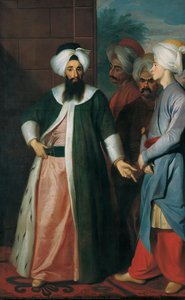
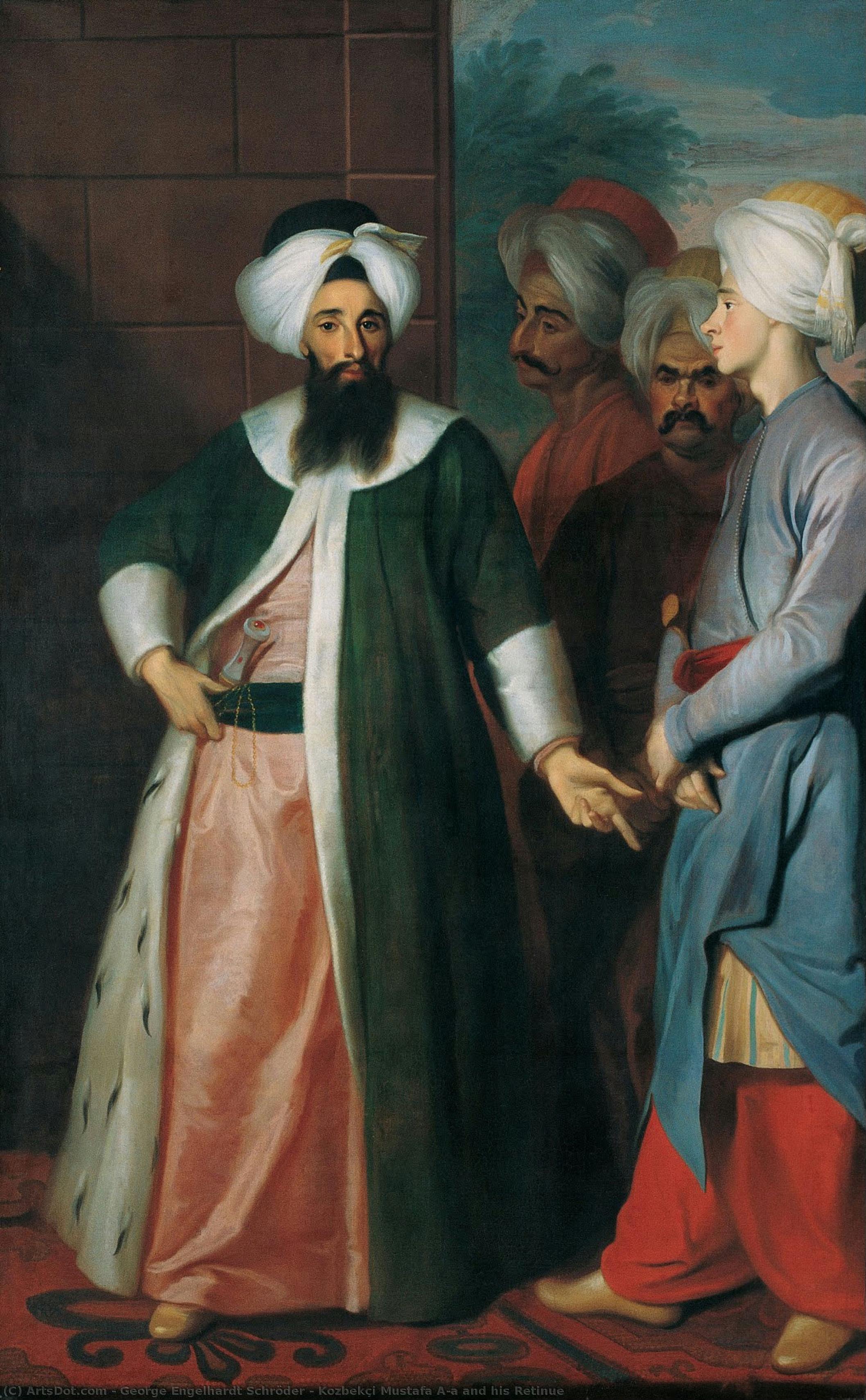
Kozbekçi Mustafa Ağa and his Retinue
 1400.0 x 2270.0 cm
 Pera Museum
 Read More
Hand Made Oil Reproduction
Hand-painted oil on canvas in your size and frame, made to order by our artists. ( Buy Print Buy Image)




































Pick from our preset sizes that match the artwork's original proportions.

You may enter your own dimensions to fit a specific frame or space. If your selected size does not match the original image's proportions, we will either crop the artwork or extend the painting with additional hand-painted elements. A digital mockup will be sent for your approval before production begins.
Please note that the on-screen preview does not reflect the actual cropping or extension. Only the mockup will accurately show the final composition.
While custom sizes are available, we recommend selecting a dimension from the predefined list to preserve the original proportions.
After order, ArtsDot.com team will email client for instructions and provide a mockup preview
Worldwide Delivery () in 3/4 weeks instead of standard 5 weeks. (24 August). No compromise on quality.

Free Worldwide Express Shipping

High-Quality Linen Canvas

Full Shipping Insurance

Customs Tax Refund Guarantee

True Color Matching Guarantee

60-Day Return Policy (Defects Only)

100% Money-Back Guarantee

Bulk Discount Offer
 Glass option is only available in size under 110 CM

Kozbekçi Mustafa Ağa and his Retinue
Reproduction Medium
Reproduction Size
-


Total Price
$ 263
Artwork Description
Related Artworks





Artist Biography
The Grandeur of the Swedish Court: The Life of George Engelhardt Schröder
In the golden era of 18th-century European portraiture, few artists captured the regal essence and diplomatic splendor of the Swedish court as masterfully as George Engelhardt Schröder. Born in Stockholm in 1684, Schröder emerged from a period of profound cultural transition, destined to become a pivotal figure in the evolution of Swedish art. His early years were defined by rigorous classical training under the esteemed painter David von Krafft, a mentorship that provided him with the technical precision and foundational mastery required to navigate the highest circles of European aristocracy. This apprenticeship was not merely an education in brushwork, but an introduction to the language of power and prestige that would define his lifelong vocation.
Schröder’s artistic identity was forged far beyond the borders of Sweden. Driven by a restless intellectual curiosity, he embarked on extensive travels across the continent, immersing himself in the vibrant artistic currents of Germany, Italy, France, and England. These journeys were transformative, allowing him to absorb the dramatic flair of the Italian Baroque and the sophisticated elegance of the London portrait scene. He drew profound inspiration from the works of Godfrey Kneller and Michael Dahl, whose ability to imbue sitters with both psychological depth and aristocratic dignity left an indelible mark on his style. By weaving these international influences into his native Swedish sensibilities, Schröder developed a unique aesthetic characterized by meticulous attention to detail and a breathtaking use of vibrant, luminous color.
A Legacy of Royal Portraits and Diplomatic Splendor
The pinnacle of Schröder’s career arrived in 1724 when he returned to Sweden to ascend to the prestigious position of court portraitist, succeeding his former mentor, David von Krafft. This appointment placed him at the very heart of the Swedish monarchy, tasking him with the visual documentation of the era's most significant figures. His brush became a tool for legitimizing and celebrating the Swedish throne, most notably through his dignified depictions of Frederick I of Sweden and his consort, Queen Ulrika Eleonora. In these works, Schröder did more than record faces; he captured the very aura of sovereignty, utilizing light and texture to convey the weight of royal responsibility.
Beyond the confines of the Swedish royal family, Schröder’s talent extended to the broader stage of international diplomacy. One of his most captivating achievements is the portrait of Kozbekçi Mustafa Ağa, an Ottoman ambassador to the Swedish court. This masterpiece serves as a testament to his ability to navigate diverse cultural aesthetics, blending the grandeur of European portraiture with the exoticism and intricate detail of the Ottoman presence in Stockholm. Through such works, Schröder’s art acted as a bridge between cultures, documenting a moment in history where the Swedish court was a crossroads of global influence.
The historical significance of George Engelhardt Schröder lies in his role as a catalyst for the development of Swedish portraiture. His ability to synthesize the dramatic intensity of the Baroque with the refined grace of English portrait traditions helped elevate the standard of art within his homeland. Today, his legacy endures through his remarkable ability to freeze time, offering modern viewers an intimate glimpse into the dignity, splendor, and complex social tapestry of the 18th century.
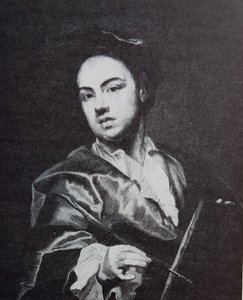
george engelhardt schröder
1684 - 1750 , Sweden
Quick Facts
- Artistic Movement Or Style: Baroque portraiture
- Artists Or Movements Influenced By This Artist: ['Swedish portraiture']
- Artists Who Influenced This Artist:
- David von Krafft
- Godfrey Kneller
- Michael Dahl
- Date Of Birth: 1684
- Date Of Death: 1750
- Full Name: George Engelhardt Schröder
- Nationality: Swedish
- Notable Artworks:
- Kozbekçi Mustafa Ağa and his retinue
- Portrait of Frederick I of Sweden
- Portrait of Queen Ulrika Eleonora
- Place Of Birth: Stockholm, Sweden