 Preview
 Send
Send Share
Share
 Details

 Download
 Similars
 X-Ray
X-Ray Diaporama
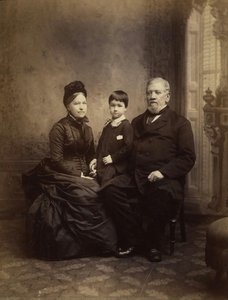
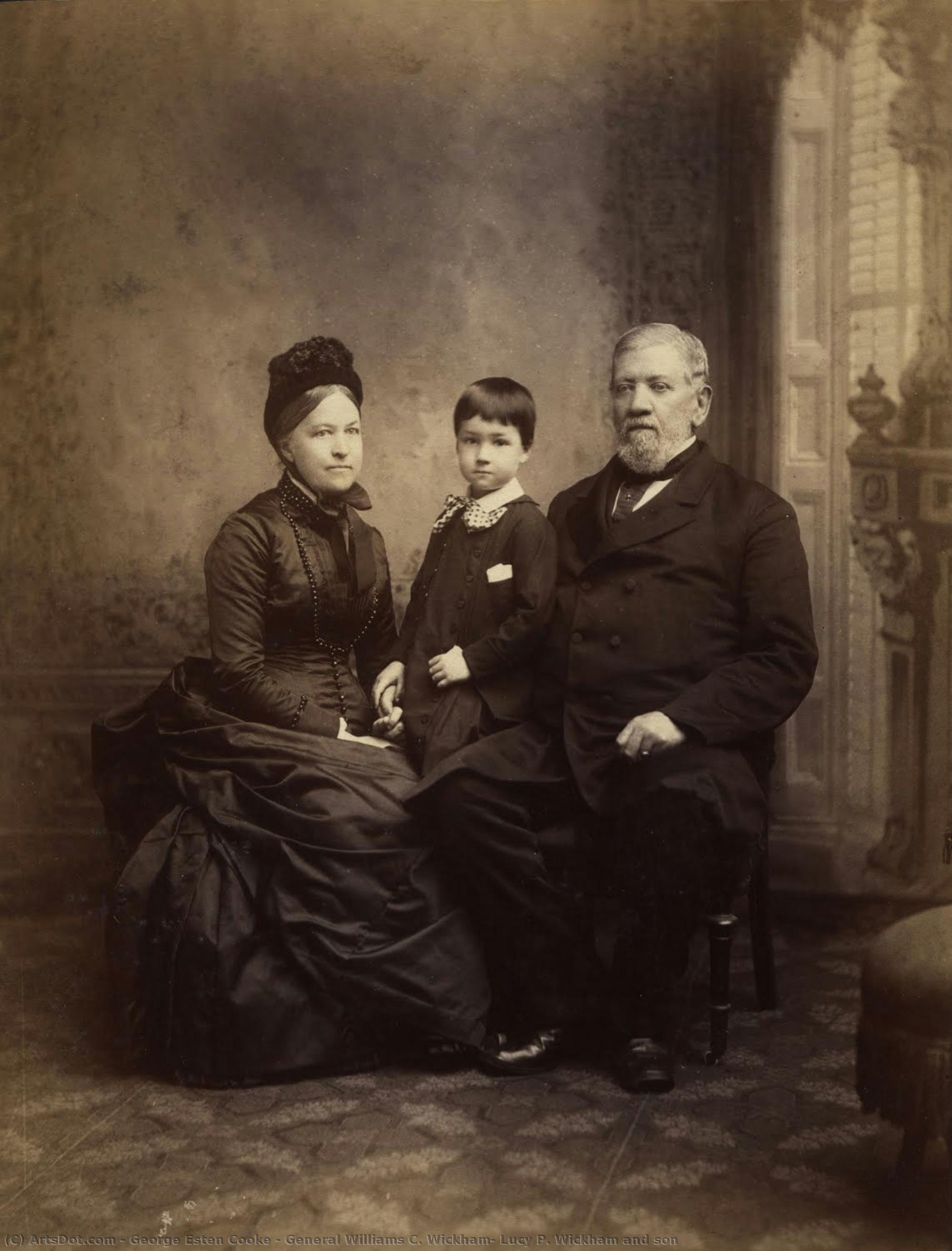
General Williams C. Wickham, Lucy P. Wickham and son


 Read More
Hand Made Oil Reproduction
Hand-painted oil on canvas in your size and frame, made to order by our artists. ( Buy Print Buy Image)




































Pick from our preset sizes that match the artwork's original proportions.

You may enter your own dimensions to fit a specific frame or space. If your selected size does not match the original image's proportions, we will either crop the artwork or extend the painting with additional hand-painted elements. A digital mockup will be sent for your approval before production begins.
Please note that the on-screen preview does not reflect the actual cropping or extension. Only the mockup will accurately show the final composition.
While custom sizes are available, we recommend selecting a dimension from the predefined list to preserve the original proportions.
After order, ArtsDot.com team will email client for instructions and provide a mockup preview
Worldwide Delivery () in 3/4 weeks instead of standard 5 weeks. (21 August). No compromise on quality.

Free Worldwide Express Shipping

High-Quality Linen Canvas

Full Shipping Insurance

Customs Tax Refund Guarantee

True Color Matching Guarantee

60-Day Return Policy (Defects Only)

100% Money-Back Guarantee

Bulk Discount Offer
 Glass option is only available in size under 110 CM

General Williams C. Wickham, Lucy P. Wickham and son
Reproduction Medium
Reproduction Size
-


Total Price
$ 263
Related Artworks







Artist Biography
George Esten Cooke: A Life in Art
- Born: March 14, 1793, St. Mary's County, Maryland
- Died: March 26, 1849, New Orleans, Louisiana
- Known For: Primarily portraits and landscapes of the American South; notable for his large-scale historical painting, "Interior of St. Peter’s Rome."
Early Life and Artistic Development
George Esten Cooke's early life was marked by a series of unsuccessful business ventures before he dedicated himself to art. Initially self-taught, he honed his skills by copying existing portraits. Around 1819–20, he studied under Charles Bird King in Washington, D.C., gaining valuable instruction and establishing a professional connection. A pivotal moment in Cooke’s development was his five-year tour of Europe (1826-1831). During this period, he meticulously copied works by Renaissance masters in Paris, Rome, Florence, Naples, and England. This immersive experience significantly broadened his artistic understanding and technical abilities.
The "Raft of the Medusa" and Growing Recognition
A significant achievement during Cooke’s European sojourn was his creation of a copy of Théodore Géricault's monumental painting, “The Raft of the Medusa.” This smaller version (4' x 6') gained considerable attention upon its return to the United States. Exhibited in Boston, Philadelphia, New York City, and Washington, D.C., it sparked public discussion and inspired various artistic responses. The painting was eventually acquired by former Admiral Uriah Phillips and later donated to the New York Historical Society, where a misattribution occurred for many years before being corrected through research by Nina Athanassoglou-Kallmyer.
Patronage of Daniel Pratt and Major Works
Following his return to America, Cooke embarked on an itinerant career, traveling extensively throughout the Southern United States. His fortunes changed significantly with the patronage of Daniel Pratt, a prominent Alabama industrialist. Pratt provided Cooke with studio space and later commissioned him to create "Interior of St. Peter’s Rome," a colossal painting (17 x 23.5 feet) based on a smaller earlier work. This masterpiece, considered one of Cooke's finest achievements, was eventually donated to the University of Georgia in Athens, where it remains a notable landmark.
Legacy and Historical Significance
Despite his artistic talent and recognition during his lifetime, Cooke’s legacy faced challenges after his untimely death from cholera in 1849. A devastating fire destroyed the gallery in Prattville, Alabama, which housed many of his works, leading to their dispersal or destruction. However, surviving pieces, particularly "Interior of St. Peter's Rome," continue to showcase his skill and provide valuable insights into 19th-century American art. Cooke’s ability to capture both portraiture and landscapes, combined with his ambitious historical paintings, establishes him as a significant figure in the development of Southern American art.
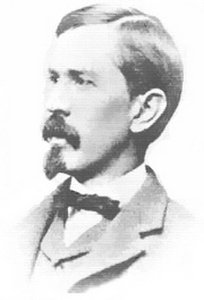
george esten cooke
1793 - 1849 , United States of America
Quick Facts
- Artistic Movement Or Style: Realism, Portraiture
- Artists Who Influenced This Artist: ['Théodore Géricault']
- Date Of Birth: 1793-03-14
- Date Of Death: 1849
- Full Name: George Esten Cooke
- Nationality: American
- Notable Artworks:
- Tallulah Falls
- General Williams C. Wickham
- Interior of St. Peter's Rome
- Place Of Birth: St. Mary's County, USA