

 Preview
 Send
Send Share
Share
 Details

 Download
 Similars
 X-Ray
X-Ray Diaporama
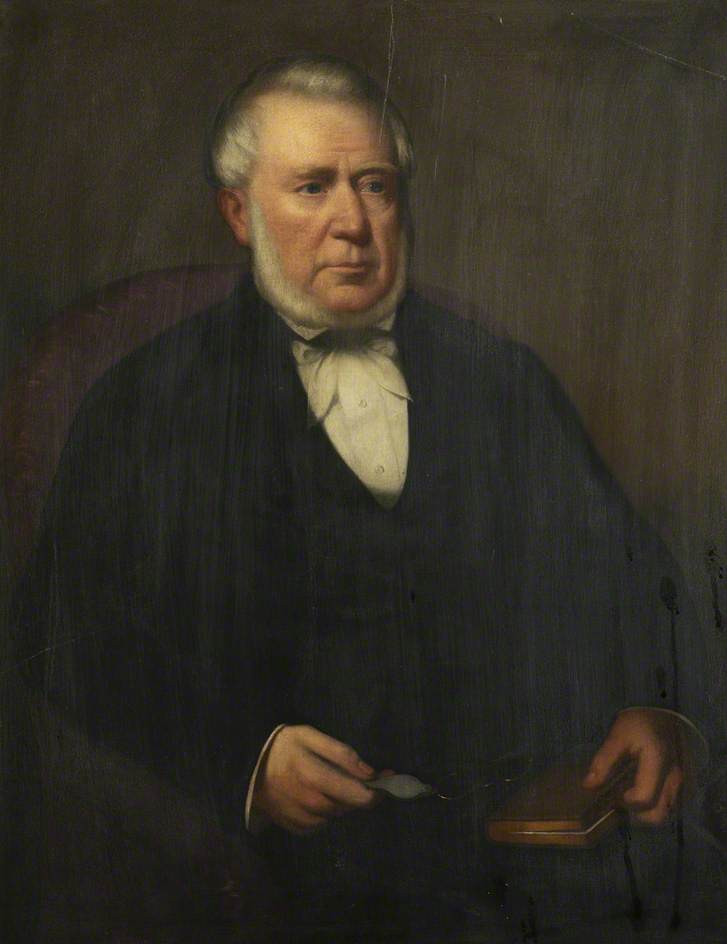
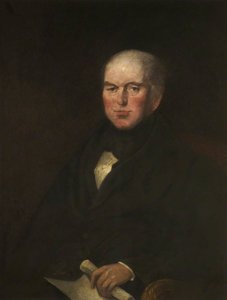
Dr William Harris Murch (1784–1859), Principal of Stepney Academy (1827–1843)
 Academic Portraiture
 90.0 x 70.0 cm
 Regent's Park College
 Read More
Purchase a high-resolution, enhanced digital image, far superior to the online preview.
Each file is meticulously prepared by our in-house specialists using advanced tools and expert manual retouching. We ensure every image has exceptional clarity, precise color accuracy, and fine detail.
The final file is delivered via email within 72 hours, optimized for immediate use in professional, editorial, and print environments. This is the same quality trusted by top-tier design studios, publishers, and galleries.
Digital Image
Download a high-resolution file for personal display, printing, and creative projects. ( Buy Print Buy Hand Made Painting)
Included in Every Digital Image Order
Expert Digital Delivery, Guaranteed
When you choose ArtsDot.com, you're not just getting an image - you're receiving a professionally enhanced digital artwork, crafted with precision and backed by a satisfaction guarantee. Here's everything that comes with your order, automatically:

Fast Email Delivery
Your high-resolution digital image file will be emailed to you within 72 hours of ordering - ready for immediate use.

AI-Enhanced Digital File
Your artwork is professionally optimized using advanced AI tools and manual editing, ensuring maximum detail, clarity, and color accuracy.

Free Lifetime Re-Delivery
Accidentally deleted or lost your file? No worries - we'll resend it to you anytime, free of charge.

No Import Fees - Ever
Enjoy your artwork instantly with zero customs, duties, or delivery fees - digital downloads are always tax-free.

Color Accuracy Guarantee
We ensure your digital image reflects the original colors as closely as possible using professional tools and color management.

60-Day Satisfaction Guarantee
If you're not satisfied with your digital image, we'll revise it or refund 100% within 60 days - no questions asked.

100% Money-Back Guarantee
Not satisfied? Get a full refund within 60 days of receiving your digital file - no questions asked.

Bulk Order Discounts
Buy 3 images, save 10% - Buy 5, save 15% - Buy 10+, save 20%. Great for creative projects, galleries, and agencies.
Related Artworks
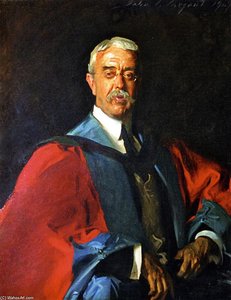
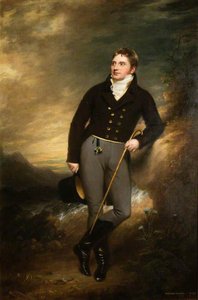
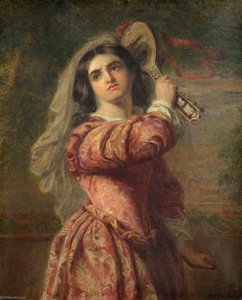
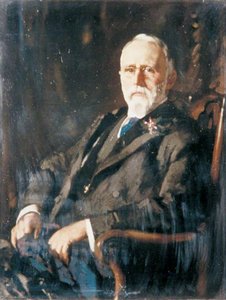
Artist Biography
The Soul Captured in Oil: The Life and Legacy of George Frederick Clarke
In the golden, flickering light of the Victorian era, few artists possessed the ability to bridge the gap between mere physical likeness and profound psychological depth as masterfully as George Frederick Clarke. Born in London in 1823, Clarke emerged from a world of growing industrial complexity into an artistic landscape defined by a reverence for tradition and a burgeoning fascination with Romanticism. His journey was not merely one of personal ambition but was deeply rooted in a lineage of patronage; the son of William Clarke, a man of significant legal standing and means, George was afforded the rare luxury of an education that prioritized the cultivation of the aesthetic spirit. This early immersion in the upper echelons of British society provided him with more than just financial stability—it granted him intimate access to the very subjects who would become his lifelong muses: the aristocracy, the intellectuals, and the historical titans of his age.
The trajectory of Clarke’s artistry was irrevocably altered by his formative years at Marlborough College, where he encountered the formidable influence of John Ruskin. To study under Ruskin was to be initiated into a philosophy that demanded both scientific precision and emotional resonance. From this mentorship, Clarke inherited a devotion to the "truth to nature" principle, a belief that would manifest in his meticulous attention to the textures of velvet, the subtle sheen of silk, and the weathered contours of a human face. This Ruskinian influence instilled in him a unique duality of technique; he became a rare virtuoso capable of navigating the delicate transparency of watercolor washes and the rich, commanding weight of oil glazes. His canvases often shimmered with an ethereal luminosity, achieved through a sophisticated layering process that allowed light to appear as if it were emanating from within the subject itself.
A Master of the Victorian Gaze
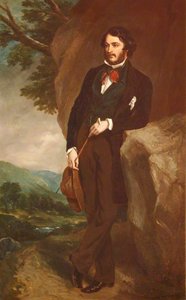
As his career matured, Clarke’s reputation solidified as a premier portraitist of the British elite. His work was characterized by an academic realism that never descended into the sterile or the mechanical. Instead, he sought to capture what contemporaries called the "essence" of the sitter. Whether rendering the dignified presence of Dr. William Harris Murch or the commanding stature of Lord John Manners, Clarke utilized a rich, tonal palette to evoke a sense of permanence and historical weight. His portraits were not merely records of appearance but were narrative windows into the character of the Victorian era, capturing the gravity, the duty, and the quiet introspection of a generation.
The technical brilliance of his oeuvre can be observed through several defining elements:
- Textural Complexity: His ability to blend thin oil glazes with watercolor-like washes created surfaces that possessed an almost tactile quality, inviting the viewer to feel the weight of a heavy cloak or the softness of skin.
- Atmospheric Depth: Drawing from Romantic ideals, Clarke often integrated subtle environmental elements—such as the distant, moody landscapes seen in his 1874 portrait of the 7th Duke of Rutland—to mirror the internal temperament of his subjects.
- Psychological Insight: Beyond the finery of aristocratic dress, Clarke’s true achievement lay in his use of light and shadow to suggest the hidden thoughts and complexities of the human psyche.
By the time of his passing in 1906, George Frederick Clarke had left an indelible mark on the history of British portraiture. He stood as a bridge between the rigid formal traditions of the early nineteenth century and the more emotive, atmospheric approaches that would follow. His legacy remains preserved in the halls of prestigious collections, serving as a testament to a period when art served as the ultimate mirror to the soul of a nation, capturing the fleeting dignity of an era through the enduring power of the brush.
george frederick clarke
1823 - 1906
Quick Facts
- Artistic Movement Or Style: Romanticism
- Artists Or Movements Influenced By This Artist: ['British Portraiture']
- Artists Who Influenced This Artist: ['Sir Thomas Lawrence']
- Date Of Birth: 1823
- Date Of Death: 1906
- Full Name: George Frederick Clarke
- Nationality: British
- Notable Artworks:
- Lord John James Robert Manners (1818–1906)
- Portrait of Lady Harriet Manners
- Place Of Birth: London, England

