 Preview
 Send
Send Share
Share
 Details

 Download
 Similars
 X-Ray
X-Ray Diaporama
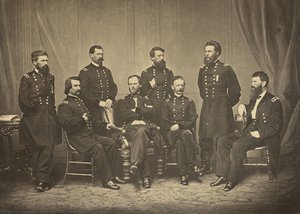
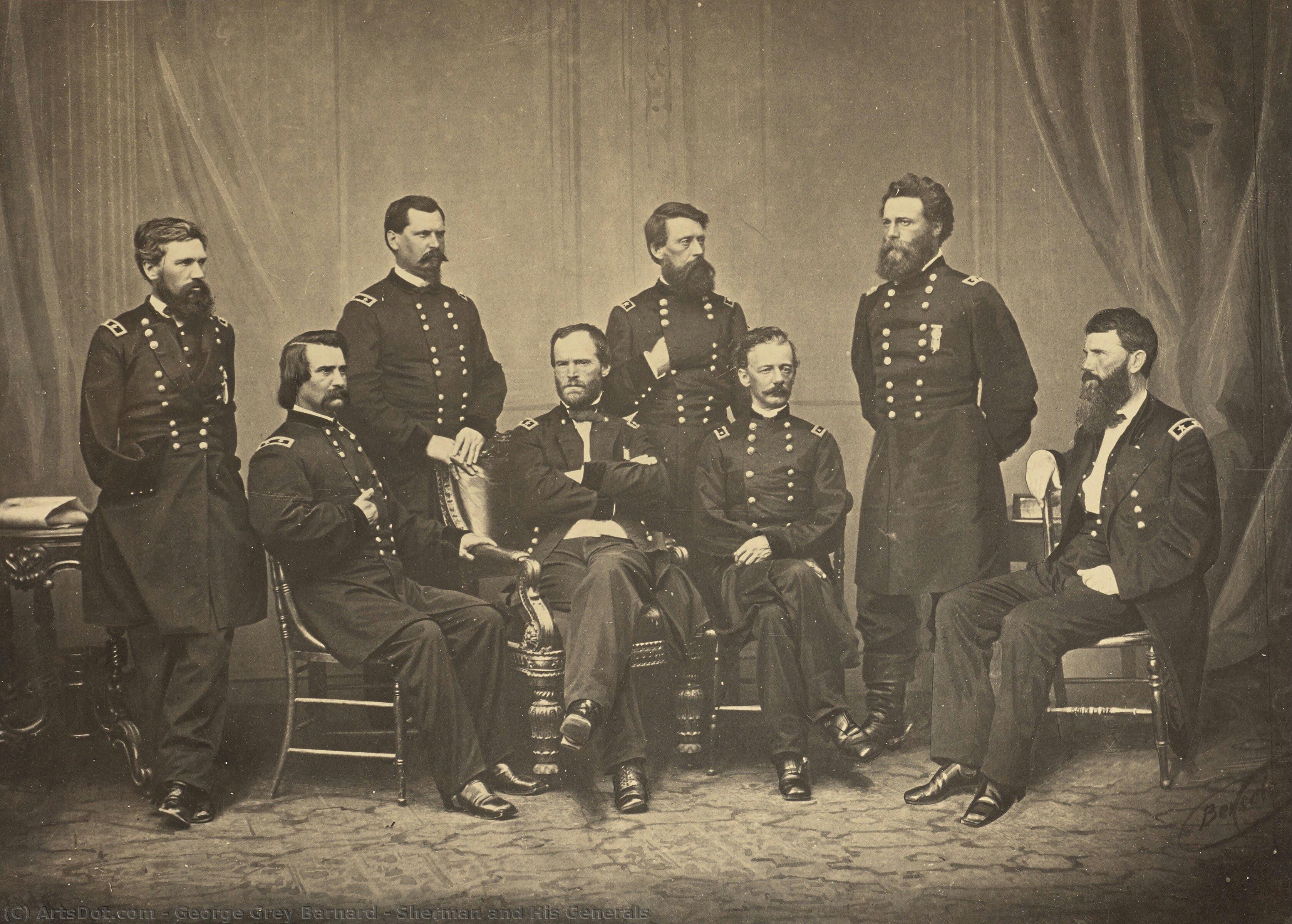
Sherman and His Generals
 Contemporary Realism
 1866
1866 25.0 x 35.0 cm
 J. Paul Getty Museum
 Read More
Hand Made Oil Reproduction
Hand-painted oil on canvas in your size and frame, made to order by our artists. ( Buy Print Buy Image)




P118B $10

P118H $10

P118W $10

P438Z $10

P508JH $12

P508YH $12

P805H $10

P805Z $10

P919BZ $10

P919G $10

P919XJ $10

P959ZH $10

P968JZ $12

W106C $8

W218G $10

W218JH $8

W218Y $10

W307PJ $10

W316G $10

W316PJ $8

W316Y $10

W398PJ $8

W4111J $10

W500HY $15

W500JH $15

W692G $12

W849H $8

W940BG $15

W953PJ $8




Pick from our preset sizes that match the artwork's original proportions.

You may enter your own dimensions to fit a specific frame or space. If your selected size does not match the original image's proportions, we will either crop the artwork or extend the painting with additional hand-painted elements. A digital mockup will be sent for your approval before production begins.
Please note that the on-screen preview does not reflect the actual cropping or extension. Only the mockup will accurately show the final composition.
While custom sizes are available, we recommend selecting a dimension from the predefined list to preserve the original proportions.
After order, ArtsDot.com team will email client for instructions and provide a mockup preview
Worldwide Delivery () in 3/4 weeks instead of standard 5 weeks. (17 August). No compromise on quality.

Free Worldwide Express Shipping

High-Quality Linen Canvas

Full Shipping Insurance

Customs Tax Refund Guarantee

True Color Matching Guarantee

60-Day Return Policy (Defects Only)

100% Money-Back Guarantee

Bulk Discount Offer
 Glass option is only available in size under 110 CM

Sherman and His Generals
Reproduction Medium
Reproduction Size
-


Total Price
$ 463
Artwork Description
Sherman and His Generals: A Portrait of Leadership Captured in Daguerreotype
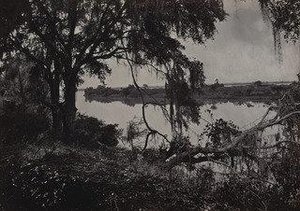
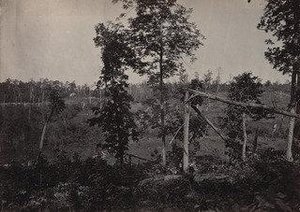
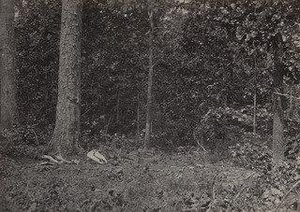
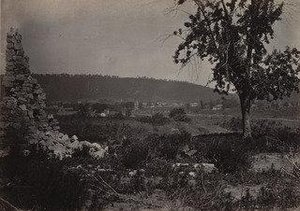
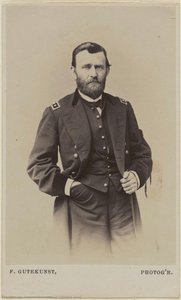
George Grey Barnard’s “Sherman and His Generals,” created in 1866, stands as a remarkable testament to the burgeoning art of daguerreotypy—a photographic process that revolutionized visual representation during the Victorian era. More than just a depiction of military officers, this image embodies the spirit of American resilience and ambition amidst the tumultuous backdrop of Reconstruction.
- Subject Matter: The photograph portrays nine men seated in chairs and stools, primarily General William Tecumseh Sherman and his senior commanders. Their formal attire—dark suits and military uniforms—immediately establishes a hierarchy of authority and underscores the importance of leadership during wartime.
- Style & Technique: Barnard skillfully employed daguerreotype printing, a technique known for its exceptional detail and tonal range. This process involved exposing silver-plated copper plates to light in a darkened room, resulting in incredibly sharp images with subtle gradations of gray—a stylistic hallmark of the period that prioritized realism over idealized representations.
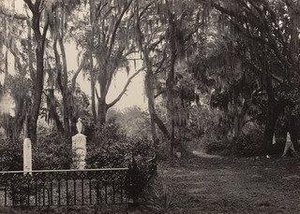
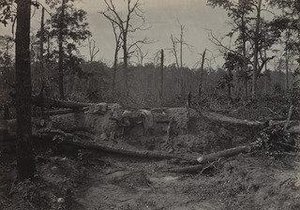
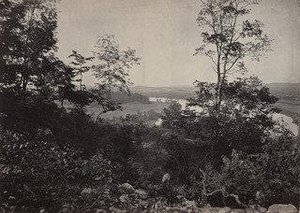
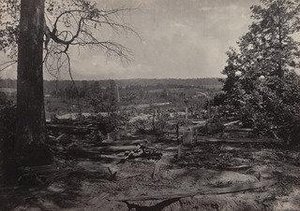
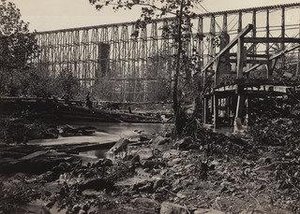
- Historical Context: “Sherman and His Generals” was produced shortly after Sherman’s triumphant march through Georgia during the Civil War. It serves as a visual record of this pivotal moment in American history, capturing not only the physical presence of prominent figures but also conveying an atmosphere of solemn contemplation amidst the grandeur of the forest setting.
- Composition & Symbolism: The symmetrical arrangement of the men contributes to a sense of stability and control—mirroring the leadership qualities they embody. The muted lighting enhances the textures of their clothing and faces, drawing attention to the materiality of the image and subtly emphasizing the seriousness of the subject matter.
Beyond its technical prowess, “Sherman and His Generals” resonates with deeper symbolic significance. It speaks to the enduring fascination with portraiture as a means of commemorating historical figures and capturing their essence. The photograph’s monochrome palette—a deliberate choice reflecting the aesthetic sensibilities of the time—creates an emotionally evocative experience, inviting viewers to contemplate themes of duty, honor, and the weighty responsibility of command.
- Material & Process: Barnard utilized photographic chemicals – mercury vapor and ferric chloride – meticulously applied onto a silver-plated copper plate. The resulting image was then developed in darkness using potassium iodide solution and fixed with tannin. This painstaking process ensured exceptional clarity and tonal accuracy, demonstrating the dedication of Victorian artists to mastering new mediums.
- Emotional Impact: The photograph’s quiet dignity—coupled with its detailed depiction of human form—elicits a contemplative response from the viewer. It transcends mere documentation, transforming into an emblem of American fortitude and a poignant reminder of a transformative era in national history.
A reproduction of “Sherman and His Generals” offers more than just visual beauty; it provides access to a captivating snapshot of 19th-century artistry and the profound narratives embedded within its creation.
Related Artworks
![[president Lincoln, United States Headquarters, Army Of The Potomac, Near Antietam] — Alexander Gardner, Photographic Realism](/media/artworks/images/thumbnails/92/ab/92ab3ca0f1c64ca78432d7ff8c066bad.jpg)
Artist Biography
A Life Forged in Stone: The World of George Grey Barnard
George Grey Barnard, born in Bellefonte, Pennsylvania, in 1863, was an American sculptor whose career unfolded against a backdrop of shifting artistic tides and burgeoning national identity. His life story is one of relentless pursuit – a journey from the rural landscapes of his youth to the hallowed halls of Parisian art academies, and ultimately, to establishing himself as a pivotal figure in American sculpture. The son of a Presbyterian minister, Barnard’s early years were marked by frequent relocation across Illinois, yet it was within this itinerant existence that an artistic sensibility began to blossom. He initially honed his skills at the Art Institute of Chicago under Leonard Volk, demonstrating an innate talent for modeling and form – a foundation upon which he would build a remarkable career. This initial spark propelled him towards Paris in 1883, where he immersed himself in the rigorous training of the École Nationale Supérieure des Beaux-Arts, working within the atelier of Pierre-Jules Cavelier. Twelve years spent absorbing classical techniques and engaging with the vibrant artistic community of France proved transformative, culminating in a triumphant debut at the Salon of 1894.The Echoes of Rodin and the Birth of a Symbolic Language
Barnard’s artistic development was profoundly shaped by his exposure to Auguste Rodin, whose influence is readily apparent in his early explorations of the human form and emotional depth. However, Barnard wasn't merely an imitator; he quickly forged his own distinct path, developing a symbolic language that delved into the complexities of the human condition. His major works are characterized by their allegorical nature, grappling with themes of duality, inner struggle, and the inherent contradictions within us all. Struggle of the Two Natures in Man (1894), exhibited at the Metropolitan Museum of Art, stands as a pivotal example – a powerful depiction of opposing forces locked in eternal conflict. This piece, along with subsequent sculptures like The Hewer (1902) and Rose Maiden (c. 1902), showcased his mastery of capturing both physical strength and delicate grace. Great God Pan (1899), initially met with controversy due to its depiction of nudity, eventually found a home at Columbia University, further cementing Barnard’s reputation as an artist unafraid to challenge conventional norms. Maidenhood(1896) is known for its simplicity and elegance.Monumental Commissions and the Pennsylvania State Capitol
The turn of the century brought with it a monumental commission that would define a significant chapter in Barnard’s career: the creation of over sixty sculptures for the Pennsylvania State Capitol in Harrisburg between 1902 and 1910. This ambitious project, representing scenes from human history, demanded immense skill and dedication, yet also presented considerable financial challenges. Despite these hurdles, Barnard persevered, leaving an indelible mark on the capitol building with his intricate and evocative figures. His ability to translate grand historical narratives into tangible form solidified his position as one of America’s leading sculptors. Later, in 1917, he undertook another ambitious project – a larger-than-life statue of Abraham Lincoln. This portrayal sparked debate due to its unconventional approach, diverging from traditional heroic representations; nevertheless, it remains a potent symbol of the president's character and has been cast in multiple locations including Cincinnati, Manchester (England), and Louisville (Kentucky).A Collector’s Passion: The Cloisters and a Lasting Legacy
Beyond his work as a sculptor, George Grey Barnard possessed a deep passion for medieval art. He became an avid collector of architectural fragments, traveling through French villages before World War I to acquire these remnants of the past. This collection wasn't merely a personal indulgence; it was driven by a desire to preserve and share the beauty of this often-overlooked artistic heritage. In 1925, his extensive holdings were purchased by John D. Rockefeller Jr., forming the core of what would become The Cloisters, a branch of the Metropolitan Museum of Art dedicated to medieval art and architecture. This act stands as a testament to Barnard’s vision and enduring impact on cultural preservation. Barnard's contribution to American sculpture is significant, bridging European traditions with a uniquely American aesthetic sensibility. He challenged artistic norms, embraced symbolism, and left behind a body of work that continues to inspire and provoke thought. His legacy extends beyond his sculptures; it lives on in the tranquil halls of The Cloisters, where fragments of the past are brought to life for generations to come.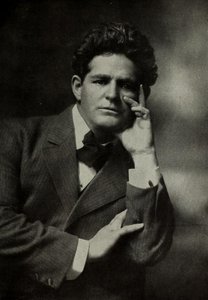
George Grey Barnard
1863 - 1938 , United States of America
Quick Facts
- Artistic Movement Or Style: Symbolism
- Artists Who Influenced This Artist: ['Auguste Rodin']
- Date Of Birth: May 24, 1863
- Date Of Death: April 24, 1938
- Full Name: George Grey Barnard
- Nationality: American
- Notable Artworks:
- Struggle of Two Natures
- The Hewer
- Great God Pan
- Rose Maiden
- Maidenhood
- Place Of Birth: Bellefonte, USA
Related Articles

Georges Braque's Masterpieces: 25 Paintings That Defined Cubism & Modern Art | ArtsDot
Explore 25 iconic Georges Braque paintings that revolutionized Cubism & modern art. Discover the stories behind his masterpieces, from Fauvism to Analytical Cubism. Find museum-quality reproductions & elevate your home decor with ArtsDot.com.

Georges Seurat's Masterpieces: 25 Paintings That Defined Pointillism | ArtsDot
Explore 25 iconic Georges Seurat paintings & discover the brilliance of Pointillism. From 'La Grande Jatte' to his harbor scenes, delve into art history with ArtsDot.com. Find museum-quality reproductions for your home decor. Explore the full collection online!
Beyond the Lens: Photography's Enduring Influence on Modern & Contemporary Art
Explore photography's pivotal role in shaping modern & contemporary art. Discover key movements, influential artists like Stieglitz, and expert collecting advice from ArtsDot.

Monochrome Visions: Exploring the Aesthetic & Historical Significance of Black & White Photography
Explore the rich history & artistic power of black and white photography. From early techniques to iconic masters like Ansel Adams, discover why monochrome continues to captivate art lovers today. Expert insights for collectors.

Witnessing History Through Lens & Light: Documentary Photography's Enduring Legacy
Explore the powerful history of documentary photography – from its origins to contemporary masters like Gordon Parks & W. Eugene Smith. Discover how this art form shapes our understanding of society and witness pivotal moments in time.