 Preview
 Send
Send Share
Share
 Details

 Download
 Similars
 X-Ray
X-Ray Diaporama
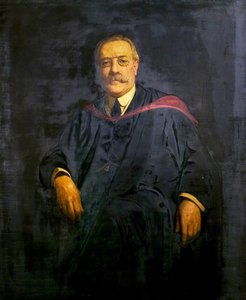
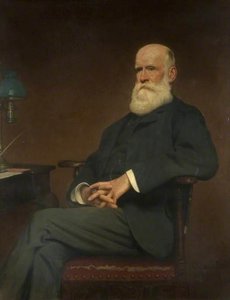
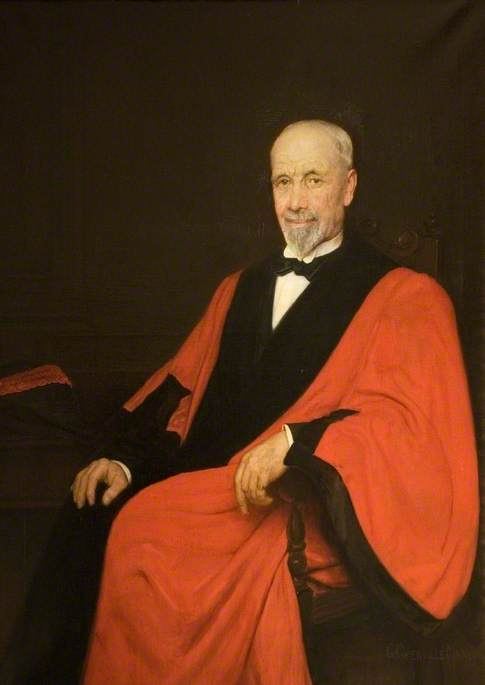
William Tucker
 125.0 x 100.0 cm
 Read More
Hand Made Oil Reproduction
Hand-painted oil on canvas in your size and frame, made to order by our artists. ( Buy Print Buy Image)




































Pick from our preset sizes that match the artwork's original proportions.

You may enter your own dimensions to fit a specific frame or space. If your selected size does not match the original image's proportions, we will either crop the artwork or extend the painting with additional hand-painted elements. A digital mockup will be sent for your approval before production begins.
Please note that the on-screen preview does not reflect the actual cropping or extension. Only the mockup will accurately show the final composition.
While custom sizes are available, we recommend selecting a dimension from the predefined list to preserve the original proportions.
After order, ArtsDot.com team will email client for instructions and provide a mockup preview
Worldwide Delivery () in 3/4 weeks instead of standard 5 weeks. (21 August). No compromise on quality.

Free Worldwide Express Shipping

High-Quality Linen Canvas

Full Shipping Insurance

Customs Tax Refund Guarantee

True Color Matching Guarantee

60-Day Return Policy (Defects Only)

100% Money-Back Guarantee

Bulk Discount Offer
 Glass option is only available in size under 110 CM

William Tucker
Reproduction Medium
Reproduction Size
-


Total Price
$ 263
Related Artworks



Artist Biography
George Henry Grenville Manton: A Victorian Master of Narrative and Symbol
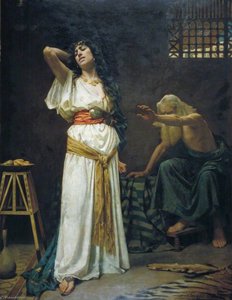
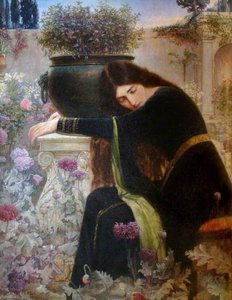
George Henry Grenville Manton, a name perhaps less familiar than some of his contemporaries, nevertheless stands as a significant figure in 19th-century British art. Born in 1855 and passing away in 1932, Manton’s career spanned nearly eight decades, during which he cultivated a distinctive style characterized by meticulously rendered historical scenes, evocative genre paintings, and a subtle yet powerful use of symbolism. His work offers a glimpse into Victorian sensibilities – a fascination with mythology, folklore, and the complexities of human relationships – all presented through a remarkably detailed and often melancholic lens. Manton’s early life remains somewhat shrouded in mystery, though it's known he received his initial artistic training at the Royal Academy School in London. This foundation proved crucial, grounding him in traditional academic techniques while simultaneously allowing him to develop a unique approach. Unlike many of his peers who embraced bold Impressionistic trends, Manton remained firmly rooted in realism and narrative painting. He wasn’t interested in capturing fleeting moments; instead, he sought to tell stories – often steeped in classical or biblical themes – with an almost photographic precision. His subjects frequently included women, particularly those caught in moments of quiet contemplation or facing challenging circumstances, reflecting a sensitivity that resonated deeply with the Victorian era's preoccupation with morality and domesticity. A pivotal work in understanding Manton’s artistic development is “Isabella & the Pot of Basil,” a painting depicting a scene from Ovid’s *Metamorphoses*. This piece, alongside others like "In the Year of Our Lord," showcases his mastery of composition and his ability to imbue seemingly simple scenes with layers of meaning. The pot of basil itself becomes a potent symbol – representing both fertility and temptation, innocence and transgression. Manton's meticulous attention to detail—the texture of fabrics, the play of light on surfaces, the subtle expressions on his subjects’ faces—is breathtaking. He wasn’t merely depicting events; he was constructing entire worlds within each canvas, inviting viewers to engage in a silent dialogue with the figures before them. His use of color is restrained and deliberate, favoring muted tones that enhance the dramatic effect of the narrative rather than drawing attention to themselves. Manton's artistic influences are diverse, reflecting his broad reading habits and appreciation for various art historical periods. The Pre-Raphaelites, with their emphasis on romanticism, symbolism, and meticulous detail, undoubtedly played a significant role in shaping his style. He also drew inspiration from the works of William Holman Hunt and John Everett Millais, evident in his penchant for depicting biblical scenes with an almost journalistic realism. Furthermore, classical mythology – particularly the stories of Ovid – provided a rich source of subject matter and thematic material. The influence of the Victorian fascination with folklore and fairy tales is also apparent in many of his works, which often feature fantastical elements subtly integrated into realistic settings. Throughout his career, Manton produced a substantial body of work, including numerous portraits, historical scenes, and genre paintings. He was particularly celebrated for his depictions of women – often portrayed as strong, independent figures facing adversity with grace and dignity. His ability to capture the nuances of human emotion—a flicker of sadness in a woman’s eyes, a hint of defiance in a man's posture—is what truly sets his work apart. While he never achieved widespread fame during his lifetime, Manton’s paintings have steadily gained recognition over the years, appreciated for their technical skill, narrative depth, and quiet emotional power. His legacy lies not just in the beauty of his individual works but also in his ability to capture a specific moment in time – a glimpse into the complexities and contradictions of Victorian society.Notable Works & Key Achievements
- “Isabella & the Pot of Basil” (1893): A cornerstone of Manton’s oeuvre, demonstrating his mastery of narrative painting and symbolic representation.
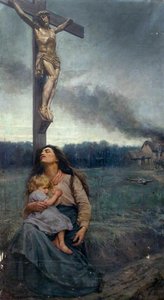
- “In the Year of Our Lord” (1897): A poignant depiction of a woman contemplating a religious icon, showcasing his ability to convey profound emotion through subtle gestures and expressions.
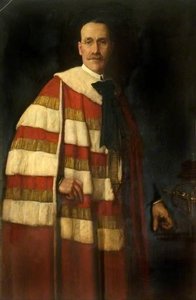
- “Miss Dorothy Brook” (1903): A portrait that exemplifies Manton’s meticulous attention to detail and his skill in capturing the likeness and personality of his subjects.
- Numerous portraits of prominent figures from British society, reflecting his connections within the artistic and social circles of the time.
Historical Significance & Lasting Impact
Manton’s work offers a valuable window into the Victorian era – its anxieties, aspirations, and aesthetic sensibilities. His paintings reflect the period's fascination with mythology, folklore, and moral dilemmas, while also capturing the quiet dignity and resilience of women in a society that often marginalized them. Although he didn't achieve the same level of fame as some of his contemporaries, Manton’s meticulous technique, evocative storytelling, and subtle symbolism have ensured that his work continues to be studied and appreciated by art historians and collectors alike. His paintings serve as a testament to the enduring power of narrative painting and the ability of a single artist to capture the spirit of an entire era.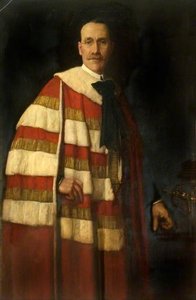
george henry grenville manton
1855 - 1932
Quick Facts
- Artistic Movement Or Style: Historical genre scenes
- Date Of Birth: 1855
- Date Of Death: 1932
- Full Name: George Henry Grenville Manton
- Nationality: British
- Notable Artworks:
- Isabella & the Pot of Basil
- In the Year of Our Lord
- Miss Dorothy Brook
- Place Of Birth: London, England