

 Preview
 Send
Send Share
Share
 Details

 Download
 Similars
 X-Ray
X-Ray Diaporama
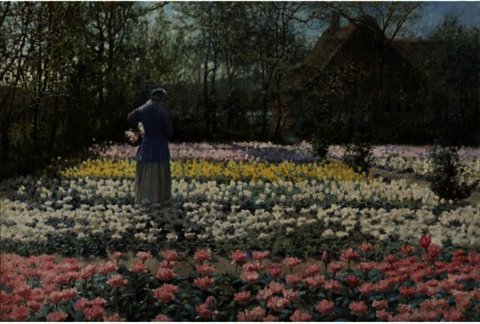
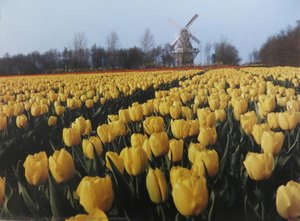
Tulip culture
 Read More
Purchase a high-resolution, enhanced digital image, far superior to the online preview.
Each file is meticulously prepared by our in-house specialists using advanced tools and expert manual retouching. We ensure every image has exceptional clarity, precise color accuracy, and fine detail.
The final file is delivered via email within 72 hours, optimized for immediate use in professional, editorial, and print environments. This is the same quality trusted by top-tier design studios, publishers, and galleries.
Digital Image
Download a high-resolution file for personal display, printing, and creative projects. ( Buy Print Buy Hand Made Painting)
Included in Every Digital Image Order
Expert Digital Delivery, Guaranteed
When you choose ArtsDot.com, you're not just getting an image - you're receiving a professionally enhanced digital artwork, crafted with precision and backed by a satisfaction guarantee. Here's everything that comes with your order, automatically:

Fast Email Delivery
Your high-resolution digital image file will be emailed to you within 72 hours of ordering - ready for immediate use.

AI-Enhanced Digital File
Your artwork is professionally optimized using advanced AI tools and manual editing, ensuring maximum detail, clarity, and color accuracy.

Free Lifetime Re-Delivery
Accidentally deleted or lost your file? No worries - we'll resend it to you anytime, free of charge.

No Import Fees - Ever
Enjoy your artwork instantly with zero customs, duties, or delivery fees - digital downloads are always tax-free.

Color Accuracy Guarantee
We ensure your digital image reflects the original colors as closely as possible using professional tools and color management.

60-Day Satisfaction Guarantee
If you're not satisfied with your digital image, we'll revise it or refund 100% within 60 days - no questions asked.

100% Money-Back Guarantee
Not satisfied? Get a full refund within 60 days of receiving your digital file - no questions asked.

Bulk Order Discounts
Buy 3 images, save 10% - Buy 5, save 15% - Buy 10+, save 20%. Great for creative projects, galleries, and agencies.
Related Artworks

Artist Biography
Sarah Biffin: A Pioneer of Disability and Art in the Nineteenth Century
The story of Sarah Biffin (1784-1850) is a remarkable testament to resilience, ingenuity, and the enduring human spirit. Born without arms or legs in Somerset, England, she defied societal expectations and established herself as a celebrated miniaturist artist during a period when opportunities for disabled individuals were severely limited. Her journey, marked by both hardship and triumph, offers a poignant glimpse into the realities of life in the early 19th century and challenges conventional notions of artistic ability.
Biffin’s early life was shaped by her physical limitations. While details about her family are scarce, it's known that she lived with her parents and siblings in a modest cottage. Her parents, recognizing her potential, secured her an apprenticeship with Emmanuel Dukes, a showman who operated a curiosity cabinet at fairs across England. This arrangement provided her with a platform to exhibit her skills and earn a living – a crucial step for someone facing such significant physical barriers. Dukes initially presented Biffin as ‘the eighth wonder,’ capitalizing on the public’s fascination with the unusual. However, he also fostered an environment of care and support, recognizing her artistic talent and providing basic instruction.
Biffin's miniature portraits quickly gained popularity, particularly among members of the British aristocracy and wealthy elite. She meticulously crafted tiny works of art, capturing likenesses with surprising detail and grace. Her subjects ranged from royalty to prominent figures in society, demonstrating a keen eye for observation and an ability to convey personality through subtle expressions and poses. Her work was often exhibited alongside other curiosities at fairs, creating a captivating spectacle that drew large crowds. Notably, Thomas Rowlandson’s satirical etching of Bartholomew Fair in 1799 features a poster advertising Biffin's performances, highlighting her status as a popular attraction.
Beyond the commercial aspects of her career, Biffin also engaged with broader cultural events. William Wordsworth, a prominent Romantic poet, attended one of the fairs and described the sensory overload he experienced – a chaotic mix of performers, exhibits, and distractions. His account in *The Prelude* underscores the public’s fascination with unusual individuals like Biffin, who challenged conventional perceptions of ability and normalcy. The juxtaposition of her image alongside other attractions—a pig that could do arithmetic or a man juggling swords—further emphasized her unique position within this vibrant spectacle.
Biffin's artistic development was influenced by several factors. Her initial training under Emmanuel Dukes provided her with fundamental skills, while her later instruction from George Douglas, Earl of Morton, honed her technique and expanded her repertoire. Her self-portraits, particularly those painted in the 1830s, offer valuable insights into her evolving artistic style and her increasing confidence as an artist. These portraits reveal a woman who was not simply defined by her disability but embraced her identity as a creative individual.
The Pre-Raphaelite Movement and Sarah Biffin’s Legacy
Sarah Biffin's story intersects with the burgeoning artistic movement known as the Pre-Raphaelites in the mid-19th century. While she wasn't formally associated with the group, her work shares stylistic similarities with their aesthetic sensibilities – a focus on realism, detailed observation of nature, and an interest in depicting marginalized figures. The Pre-Raphaelites, led by Dante Gabriel Rossetti and William Holman Hunt, sought to revive the artistic traditions of the medieval period, rejecting the idealized forms and artificiality of academic art.
Her self-portraits, with their meticulous attention to detail and subtle expressions, echo the Pre-Raphaelite emphasis on capturing the essence of human character. Furthermore, her inclusion in the Bartholomew Fair spectacle—a popular venue for artists like Rossetti—demonstrates a shared interest in engaging with the public and challenging conventional notions of art and entertainment. The fact that she was depicted alongside other curiosities – including a ‘learned pig’ – highlights the Pre-Raphaelites' willingness to explore unconventional subjects and challenge societal norms.
Despite facing significant obstacles, Biffin achieved considerable recognition during her lifetime. Her work was exhibited in prestigious venues, such as the National Gallery of Scotland, and she received commissions from prominent patrons. Her story serves as a powerful reminder that artistic talent can flourish even in the face of adversity, and that individuals with disabilities have consistently contributed to the rich tapestry of human creativity.
Technique and Style
Sarah Biffin’s miniature portraits are characterized by their remarkable technical skill and attention to detail. She employed a delicate hand and precise brushwork to create remarkably lifelike representations of her subjects. Her use of watercolor pigments allowed for subtle gradations of color and texture, capturing the nuances of skin tones, fabrics, and accessories.
Her style can be described as realistic yet subtly idealized. While she faithfully reproduced the features of her subjects, she also employed artistic conventions to enhance their beauty and create a sense of elegance. Her compositions are typically balanced and harmonious, with careful attention paid to proportion and perspective. She skillfully utilized lighting and shadow to create depth and drama, drawing the viewer's eye to key elements within the portrait.
Notably, Biffin’s work demonstrates an acute awareness of fashion trends and social customs of her time. Her portraits often reflect the prevailing styles of dress and adornment, providing valuable insights into the material culture of the early 19th century. Her ability to capture both the physical likeness and the personality of her subjects cemented her reputation as a skilled and accomplished miniaturist.
Historical Significance and Lasting Impact
Sarah Biffin’s story holds significant historical importance, not only for its artistic merit but also for its representation of disability in the 19th century. Her success as an artist challenged prevailing stereotypes about individuals with physical limitations and demonstrated that creativity could thrive despite adversity.
Her inclusion in public spectacles like the Bartholomew Fair highlighted the social acceptance—and sometimes exploitation—of disabled people during this period. While she benefited from patronage and opportunities, her life also underscores the challenges faced by those living with disabilities in a society that often excluded them from mainstream participation.
Biffin’s legacy extends beyond her individual achievements. Her story serves as an inspiration to artists and individuals facing obstacles of all kinds. Her determination, resilience, and artistic talent continue to resonate today, reminding us of the importance of celebrating diversity and recognizing the potential within every human being. The continued study of her work offers valuable insights into the social and cultural context of the 19th century and challenges us to reconsider our understanding of disability and creativity.
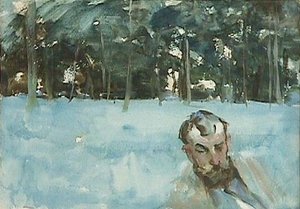
george hitchcock
1850 - 1914 , United States of America
Quick Facts
- Artistic Movement Or Style: Miniaturist
- Artists Or Movements Influenced By This Artist: ['William Wordsworth']
- Artists Who Influenced This Artist: ['Emmanuel Dukes']
- Date Of Birth: 1784
- Date Of Death: 1850
- Full Name: Sarah Biffin
- Nationality: British
- Notable Artworks:
- Self-Portrait
- Lady Godiva
- Place Of Birth: East Quantoxhead, Somerset

