 Preview
 Send
Send Share
Share
 Details

 Download
 Similars
 X-Ray
X-Ray Diaporama
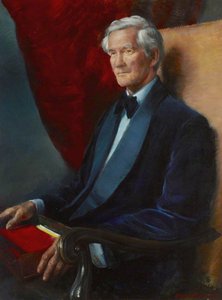
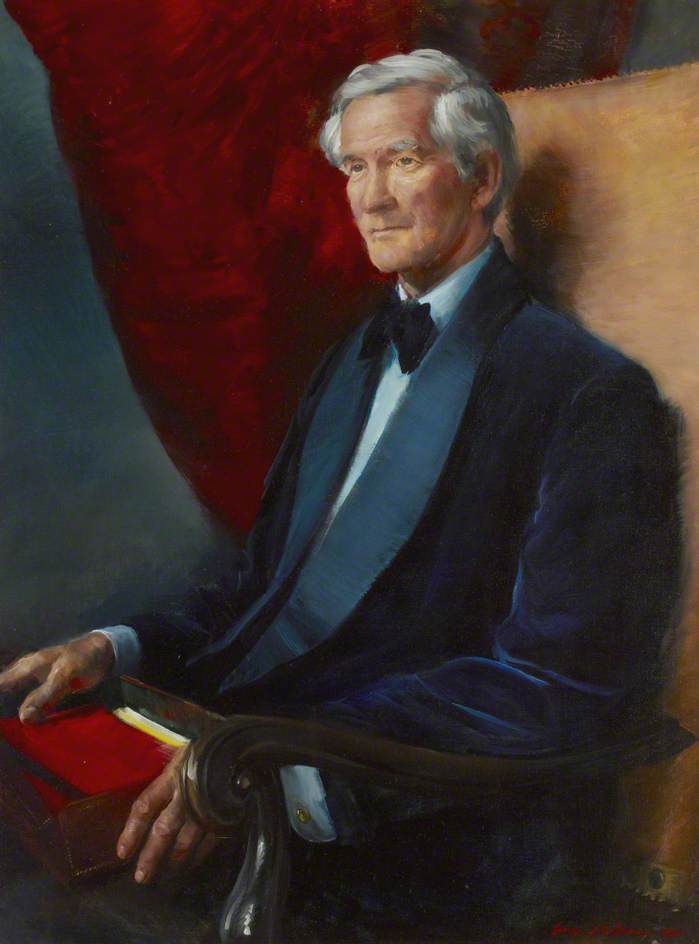
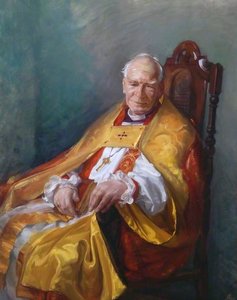
Sir Ashley Ponsonby (1921–2010)
 1990
1990 102.0 x 76.0 cm
 Goodenough College
 Read More
Giclée / Art Print
Museum-quality giclée or canvas print with fast production and flexible finish options. ( Buy Hand Made Painting Buy Image)




































Pick from our preset sizes that match the artwork's original proportions.

You may enter your own dimensions to fit a specific frame or space. If your selected size does not match the original image's proportions, we will either crop the artwork or extend the image with a mirrored or solid-fill edge. A digital mockup will be sent for your approval before production begins.
Please note that the on-screen preview does not reflect the actual cropping or extension. Only the mockup will accurately show the final composition.
While custom sizes are available, we recommend selecting a dimension from the predefined list to preserve the original proportions.
Worldwide Delivery () in 2 weeks instead of standard 4/5 weeks. (20 August)

Free Worldwide Express Shipping

High-Quality Linen Canvas

Full Shipping Insurance

Customs Tax Refund Guarantee

True Color Matching Guarantee

60-Day Return Policy (Defects Only)

100% Money-Back Guarantee

Bulk Discount Offer
 Glass option is only available in size under 110 CM

Sir Ashley Ponsonby (1921–2010)
Giclée / Art Print
Reproduction Size
-


Total Price
$ 63
Collectible Description
The Artist's Vision
George J. D Bruce's work is characterized by its attention to detail and ability to convey the personality of his subjects. In Sir Ashley Ponsonby, he masterfully portrays the man's formal attire, including a black jacket and blue shirt, complete with a bow tie. The subject's serious expression adds depth to the painting, inviting the viewer to ponder his thoughts. Key aspects of the painting include:- The use of oil on canvas, which allows for rich, vibrant colors and textures.
- The careful composition, which draws the viewer's eye to the subject's face and expression.
- The attention to detail in the subject's attire, showcasing the artist's skill and dedication to realism.
Artistic Significance
The Sir Ashley Ponsonby painting is not only a testament to George J. D Bruce's artistic prowess but also a valuable addition to the Goodenough College collection. For those interested in exploring more artworks, visit the ArtsDot.com page dedicated to this painting or discover other notable pieces like Concert for Anarchy by Rebecca Horn at the Tate Modern.The Sir Ashley Ponsonby portrait stands as a lasting tribute to its subject, crafted with precision and care by George J. D Bruce. This painting, along with others from renowned artists, can be found on ArtsDot.com, where art enthusiasts can explore and appreciate the beauty of handmade oil painting reproductions.
Related Artworks
Artist Biography
The Emerging Vision of George J. D Bruce
George J. D Bruce is a contemporary artist whose work resonates with a quiet power, a subtle exploration of the human condition and the natural world. While biographical details remain intentionally sparse – Bruce preferring to let his art speak for itself – his presence on platforms like ArtsDot signals an exciting new voice in the landscape of portraiture and scenic painting. He isn’t an artist steeped in academic tradition or driven by overt conceptualism; rather, he embodies a more intuitive approach, allowing emotion and observation to guide his hand. This deliberate lack of self-promotion contributes to the mystique surrounding his work, fostering a deeper connection between viewer and canvas. Bruce's paintings aren't about *what* is depicted as much as *how* it’s felt – the lingering warmth of sunlight on skin, the weight of unspoken stories in a subject’s gaze, the vastness and solitude of an open landscape.A Dialogue with Light and Form
Bruce's artistic style can be described as contemporary realism, though this label feels somewhat limiting. He demonstrates a masterful command of light and shadow, employing a nuanced palette to create depth and atmosphere. His portraits are particularly compelling, not for their photographic accuracy but for the psychological insight they reveal. Subjects aren’t idealized; instead, Bruce captures a raw vulnerability, an honesty that draws the viewer in. There's a palpable sense of intimacy, as if we are privy to a private moment. In his landscapes, he eschews dramatic vistas in favor of more understated scenes – fields bathed in golden light, quiet forests, and serene waterscapes. These aren’t grand pronouncements about nature’s majesty but rather intimate observations of its subtle beauty. He often works with impasto techniques, building up layers of paint to create texture and a sense of physicality. This tactile quality adds another dimension to his work, inviting the viewer to not just *see* the painting but also to *feel* it.Influences and Artistic Development
Pinpointing specific influences on Bruce’s work is challenging, as he deliberately avoids overt references to other artists. However, one can detect echoes of the American Realist tradition – particularly in his focus on everyday subjects and his commitment to capturing authentic emotion. The works of Edward Hopper, with their sense of loneliness and quiet contemplation, seem to resonate within his portraits. Similarly, the landscapes of Andrew Wyeth, known for their melancholic beauty and meticulous detail, may have played a role in shaping Bruce’s aesthetic sensibility. It's also possible to see a connection to the Tonalist movement, with its emphasis on atmosphere and mood. Bruce doesn’t simply replicate these influences; instead, he synthesizes them into something uniquely his own – a style that is both familiar and strikingly original. His development appears to be one of continuous refinement, a gradual honing of technique and a deepening exploration of emotional themes.Themes and Symbolism in Bruce's Oeuvre
Recurring themes within Bruce’s work include the passage of time, the search for meaning, and the enduring power of human connection. His portraits often depict individuals at moments of transition – reflecting on the past, contemplating the future, or grappling with inner turmoil. The landscapes, similarly, evoke a sense of nostalgia and longing. Symbolism is employed subtly, never overtly stated but rather woven into the fabric of the painting itself. A solitary tree might represent resilience in the face of adversity; a muted color palette could signify melancholy or introspection. Light, as previously mentioned, plays a crucial role – often symbolizing hope, clarity, or spiritual awakening. Bruce’s work isn't about providing answers but rather about raising questions – prompting viewers to reflect on their own lives and experiences. He creates spaces for contemplation, inviting us to connect with our emotions and find meaning in the everyday moments of life.Historical Significance and Future Trajectory
While still an emerging artist, George J. D Bruce is rapidly gaining recognition within the contemporary art world. His work stands out for its emotional depth, technical skill, and understated beauty. In a landscape often dominated by conceptualism and spectacle, Bruce offers a refreshing alternative – a return to fundamental values of observation, emotion, and craftsmanship. His presence on platforms like ArtsDot and ArtsDot democratizes access to his art, allowing a wider audience to experience his evocative paintings. It’s too early to definitively assess his long-term historical significance, but it's clear that he is contributing to a renewed interest in contemporary realism and portraiture. As his career progresses, it will be fascinating to see how his style evolves and what new themes he explores. One thing is certain: George J. D Bruce is an artist to watch – a voice whose quiet power promises to resonate for years to come.- Artist Statement (implied): To capture the essence of human emotion and the beauty of the natural world through intuitive observation and skillful execution.
- Key Characteristics: Contemporary Realism, Emotional Depth, Nuanced Palette, Masterful Use of Light and Shadow, Intimate Portraits, Serene Landscapes.
- Platforms Represented: ArtsDot.com, ArtsDot
Quick Facts
- Artistic Movement Or Style: Contemporary Art
- Artists Or Movements Influenced By This Artist: ['']
- Artists Who Influenced This Artist: ['']
- Date Of Birth: Living
- Full Name: George J D Bruce
- Nationality: American
- Notable Artworks: ['']