 Preview
 Send
Send Share
Share
 Details

 Download
 Similars
 X-Ray
X-Ray Diaporama
Lithograp
 Read More
Hand Made Oil Reproduction
Hand-painted oil on canvas in your size and frame, made to order by our artists. ( Buy Print Buy Image)




































Pick from our preset sizes that match the artwork's original proportions.

You may enter your own dimensions to fit a specific frame or space. If your selected size does not match the original image's proportions, we will either crop the artwork or extend the painting with additional hand-painted elements. A digital mockup will be sent for your approval before production begins.
Please note that the on-screen preview does not reflect the actual cropping or extension. Only the mockup will accurately show the final composition.
While custom sizes are available, we recommend selecting a dimension from the predefined list to preserve the original proportions.
After order, ArtsDot.com team will email client for instructions and provide a mockup preview
Worldwide Delivery () in 3/4 weeks instead of standard 5 weeks. (22 August). No compromise on quality.

Free Worldwide Express Shipping

High-Quality Linen Canvas

Full Shipping Insurance

Customs Tax Refund Guarantee

True Color Matching Guarantee

60-Day Return Policy (Defects Only)

100% Money-Back Guarantee

Bulk Discount Offer
 Glass option is only available in size under 110 CM

Lithograp
Reproduction Medium
Reproduction Size
-


Total Price
$ 263
Related Artworks





Artist Biography
Thomas Gainsborough: A Master of Light and Landscape
Thomas Gainsborough, a name synonymous with the quintessential English countryside, was more than just a painter; he was a chronicler of his time, a keen observer of human nature, and a revolutionary in his approach to landscape art. Born on May 14th, 1727, in Sudbury, Suffolk, into a family of cloth merchants, Gainsborough’s early life offered little indication of the artistic path he would ultimately forge. His apprenticeship as a silversmith provided a foundational understanding of craftsmanship and meticulous detail, skills that would later inform his precise brushwork – though he quickly abandoned this rigid discipline for a more expressive style. His formative years were shaped by the influence of Hubert Gravelot, a French book-illustrator who introduced him to the world of printmaking and portraiture, laying the groundwork for his future success.Early Years and Artistic Development
Gainsborough’s artistic journey began modestly, initially focusing on producing decorative prints and portraits in London. He established a studio at a young age, attracting clients with his ability to capture likenesses with remarkable accuracy and charm. However, Gainsborough harbored a deep fascination with the natural world, a passion that increasingly dominated his work. He spent considerable time observing landscapes, meticulously studying light and shadow, and developing a unique technique of layering thin washes of color – a method he famously described as “throwing it on.” This approach, radically different from the prevailing academic style, allowed him to create atmospheric effects and capture the fleeting beauty of the English countryside with unprecedented subtlety. His early landscape works, often depicting rural scenes populated by humble figures, were initially met with skepticism but gradually gained recognition for their freshness and emotional resonance.The Rise of a Portraitist and Landscape Painter
By the 1760s, Gainsborough had firmly established himself as both a portrait painter and a landscape artist. He moved to Ipswich in 1752 and later to Bath in 1759, seeking a more fashionable clientele and a respite from the pressures of London. It was during this period that he truly blossomed, developing his distinctive style – characterized by loose brushstrokes, vibrant colors, and an intimate understanding of human psychology. His portraits were not merely representations of physical likenesses; they captured the personalities and emotions of his subjects with remarkable sensitivity. He skillfully employed light and shadow to create a sense of depth and drama, imbuing his figures with life and immediacy. Simultaneously, his landscape paintings became increasingly celebrated for their atmospheric qualities and evocative depictions of rural England.Key Works and Influences
Gainsborough’s oeuvre is remarkably diverse, encompassing a wide range of subjects and styles. Among his most celebrated works are *The Blue Boy* (1770), a quintessential example of English portraiture; *Mr. and Mrs. Bacon at Breakfast* (1775), a brilliantly observed domestic scene; and numerous landscape paintings depicting the Suffolk countryside, including *Tree Farm* (1782-83) and *Red House in Suffolk* (1784). His work was profoundly influenced by the Picturesque movement, which emphasized the beauty of nature and the charm of rustic life. He also drew inspiration from the works of Claude Lorrain, a leading landscape painter of the 17th century, whose use of light and color he admired greatly. However, Gainsborough’s style remained distinctly English, rooted in his deep connection to the land and its people.Legacy and Historical Significance
Thomas Gainsborough died on August 2nd, 1788, in London, leaving behind a legacy that continues to inspire artists today. He is considered one of the most important British painters of the late 18th century, alongside Sir Joshua Reynolds. His innovative approach to landscape painting revolutionized the genre, paving the way for later generations of Romantic and Impressionist artists. Gainsborough’s ability to capture the essence of English life – its beauty, its humor, and its inherent contradictions – has ensured his enduring popularity. His paintings are housed in major museums around the world, including the National Gallery in London and the Tate in England, where they continue to captivate audiences with their light, color, and emotional depth. Furthermore, recent scholarship has shed new light on Gainsborough’s complex relationship with slavery, revealing connections between his patrons and the transatlantic slave trade, adding a crucial layer of historical context to his artistic legacy. His work serves as a poignant reminder that even the most celebrated artists are shaped by the social and political realities of their time.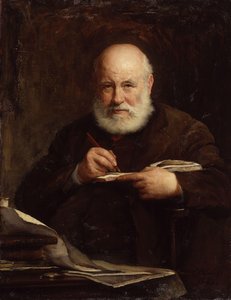
george johann scharf (george the elder scharf)
1788 - 1860 , Germany
Quick Facts
- Artistic Movement Or Style: Picturesque, Landscape
- Artists Or Movements Influenced By This Artist:
- Rococo
- Romanticism
- Artists Who Influenced This Artist: ['Hubert Gravelot']
- Date Of Birth: May 14, 1727
- Date Of Death: August 2, 1788
- Full Name: Thomas Gainsborough
- Nationality: British
- Notable Artworks:
- Musidora
- The Baillie Family
- Lady Rufford
- Place Of Birth: Sudbury, Suffolk, UK