 Preview
 Send
Send Share
Share
 Details

 Download
 Similars
 X-Ray
X-Ray Diaporama
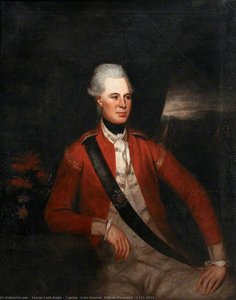
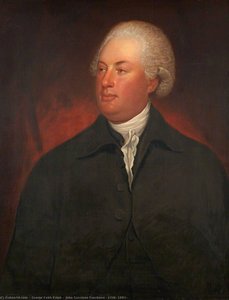
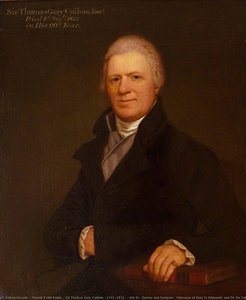
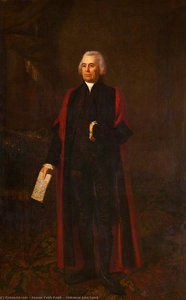
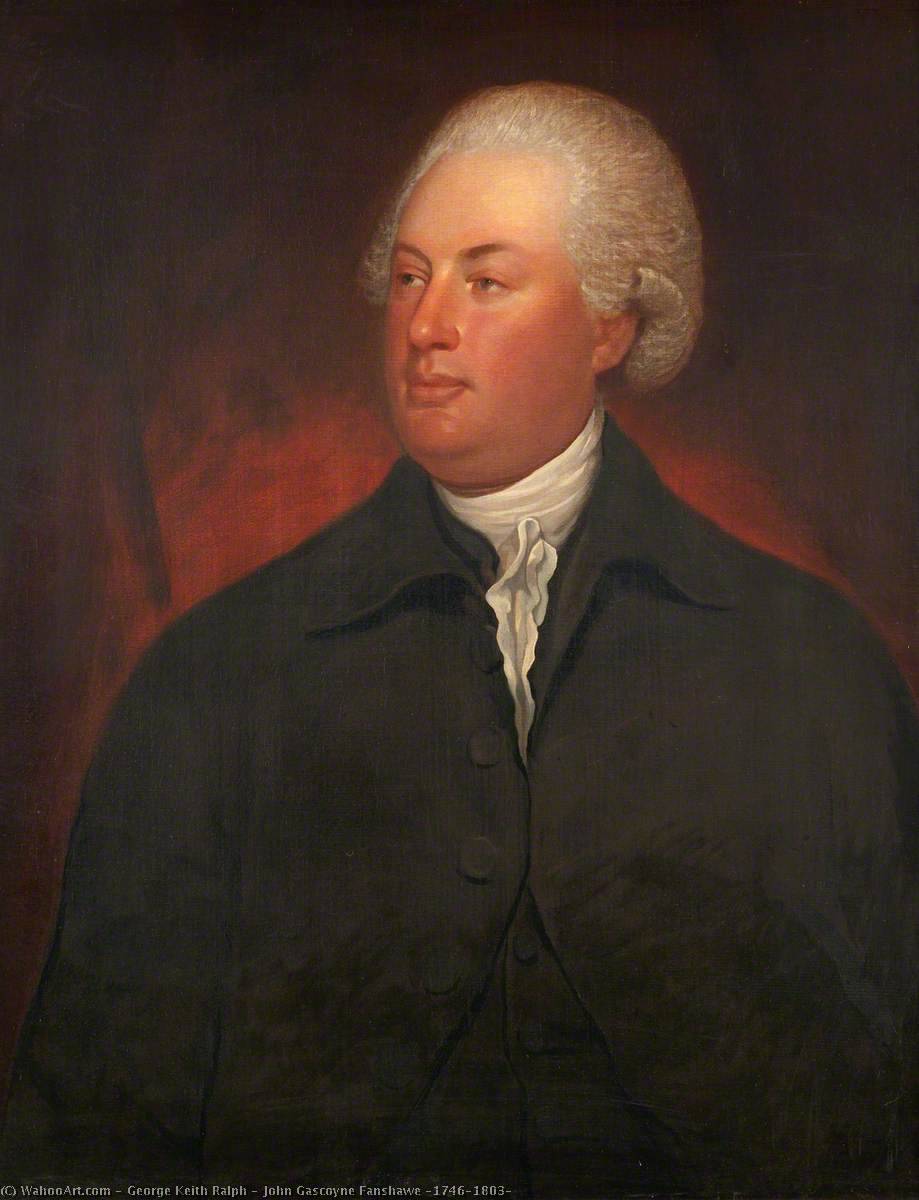
John Gascoyne Fanshawe (1746–1803)
 1779
1779 75.0 x 62.0 cm
 Read More
Hand Made Oil Reproduction
Hand-painted oil on canvas in your size and frame, made to order by our artists. ( Buy Print Buy Image)




































Pick from our preset sizes that match the artwork's original proportions.

You may enter your own dimensions to fit a specific frame or space. If your selected size does not match the original image's proportions, we will either crop the artwork or extend the painting with additional hand-painted elements. A digital mockup will be sent for your approval before production begins.
Please note that the on-screen preview does not reflect the actual cropping or extension. Only the mockup will accurately show the final composition.
While custom sizes are available, we recommend selecting a dimension from the predefined list to preserve the original proportions.
After order, ArtsDot.com team will email client for instructions and provide a mockup preview
Worldwide Delivery () in 3/4 weeks instead of standard 5 weeks. (17 August). No compromise on quality.

Free Worldwide Express Shipping

High-Quality Linen Canvas

Full Shipping Insurance

Customs Tax Refund Guarantee

True Color Matching Guarantee

60-Day Return Policy (Defects Only)

100% Money-Back Guarantee

Bulk Discount Offer
 Glass option is only available in size under 110 CM

John Gascoyne Fanshawe (1746–1803)
Reproduction Medium
Reproduction Size
-


Total Price
$ 263
Related Artworks
Artist Biography
George Keith Ralph (1752 – 1811): A Portraitist of Distinction
George Keith Ralph was a British portrait painter who achieved considerable acclaim during the Georgian era, primarily known for his meticulous depictions of prominent figures in British society and military leadership. Born around 1752, Ralph’s artistic journey unfolded against the backdrop of burgeoning neoclassical ideals and a fascination with capturing psychological nuance within formal portraits. While biographical details remain somewhat sparse – largely due to limited surviving documentation – Ralph's legacy rests firmly on his impressive oeuvre, showcasing an exceptional talent for conveying character and status through masterful technique.Early Life and Training
Ralph’s formative years were spent in Worcestershire, where he received a grounding in artistic principles from his father, William Ralph Sr., who himself was a skilled watercolorist. This familial influence instilled in young George a dedication to observation and precision—qualities that would become hallmarks of his artistic style. Although precise records of his formal training are elusive, it’s believed he honed his skills under the tutelage of John Opie, a celebrated Romantic painter whose emphasis on emotional expression contrasted sharply with Ralph's commitment to classical realism. Opie encouraged Ralph to explore tonal gradations and subtle shading—techniques that would prove crucial in achieving the luminous quality characteristic of Ralph’s portraits.Notable Commissions and Artistic Style
Ralph quickly established himself as a sought-after portraitist, securing commissions from influential families and military officers across Britain. His subjects included luminaries such as Lord Cullum, Admiral Macarmick, and Sir Thomas Grenville—individuals whose reputations demanded meticulous representation. Ralph’s artistic style was defined by its unwavering adherence to neoclassical conventions: balanced compositions, idealized figures rendered with anatomical accuracy, and a restrained palette dominated by muted earth tones. However, unlike many of his contemporaries who prioritized mere likeness, Ralph possessed an uncanny ability to penetrate the subject's inner life—capturing expressions of dignity, thoughtfulness, and occasionally melancholy. He skillfully employed chiaroscuro – dramatic contrasts between light and dark – to sculpt form and imbue portraits with palpable emotion.Influences and Artistic Development
Ralph’s artistic sensibilities were profoundly shaped by the prevailing intellectual currents of his time. The Enlightenment championed reason and observation—values that resonated deeply within Ralph's approach to painting. Furthermore, he drew inspiration from classical sculpture and drawing manuals, meticulously studying anatomical proportions and mastering techniques for achieving idealized beauty. Ralph’s stylistic evolution mirrored broader trends in British art during the Napoleonic Wars; while maintaining his commitment to realism, he subtly incorporated elements of Romanticism—particularly a heightened sensitivity to atmosphere and emotion—into select portraits.Legacy and Significance
George Keith Ralph died in 1811, leaving behind a substantial body of work that continues to fascinate art historians. His portraits stand as testament to the artistic achievements of the Georgian period and exemplify the enduring power of classical portraiture. Ralph’s meticulous attention to detail—combined with his psychological insight—elevated him beyond mere likeness-making, establishing him as one of Britain's foremost portraitists. Today, his paintings reside in prestigious collections worldwide, ensuring that Ralph’s contribution to British art history remains vividly alive for future generations.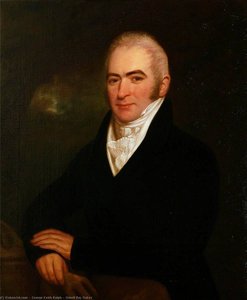
george keith ralph
1752 - 1811
Quick Facts
- Artistic Movement Or Style: Portrait Painting
- Artists Or Movements Influenced By This Artist: ['Henry Liverseege']
- Artists Who Influenced This Artist: ['William Wood']
- Date Of Birth: 1752
- Date Of Death: 1811
- Full Name: George Keith Ralph
- Nationality: British
- Notable Artworks: ['Cullum & Macarmick']
- Place Of Birth: England