 Preview
 Send
Send Share
Share
 Details

 Download
 Similars
 X-Ray
X-Ray Diaporama
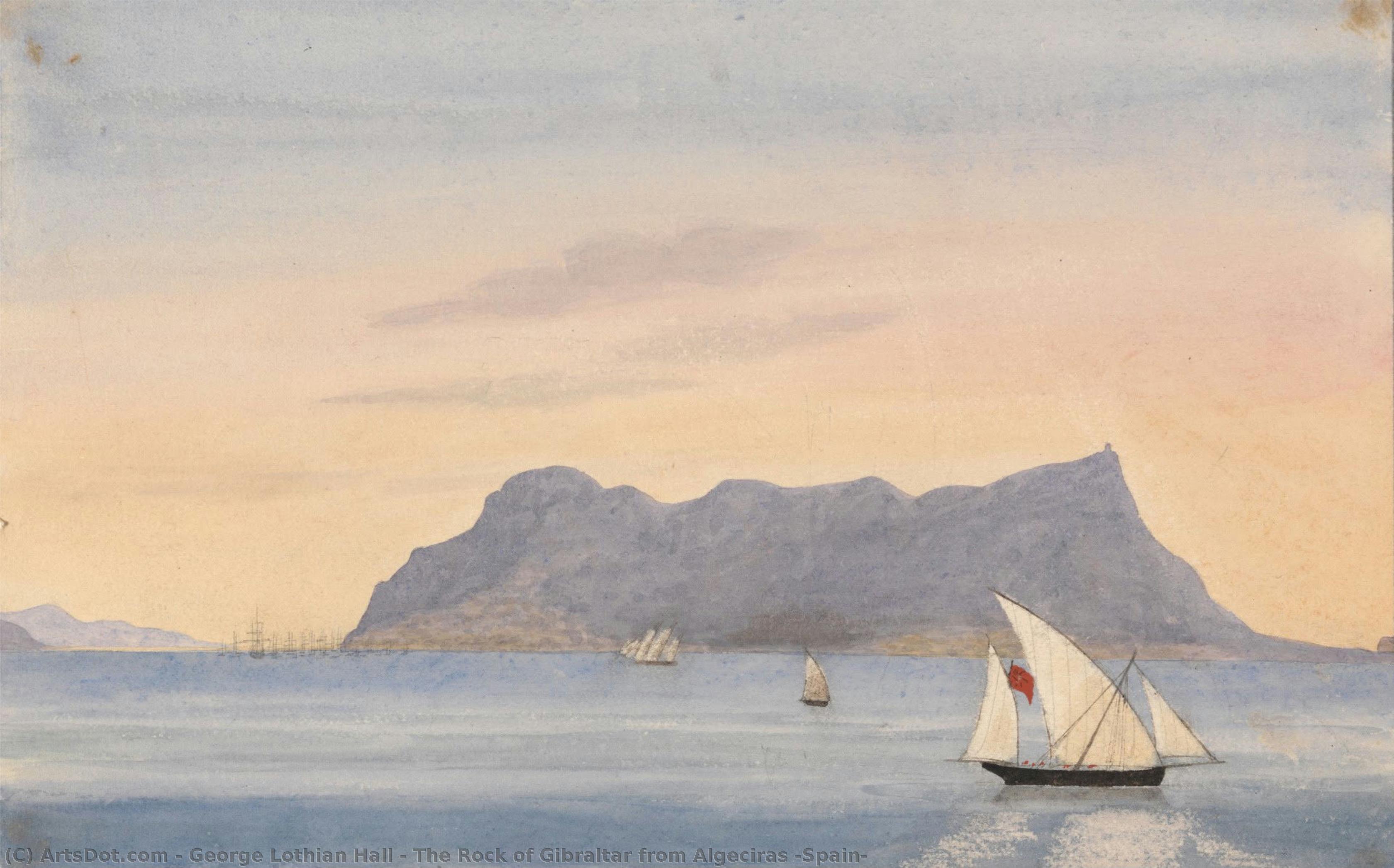
The Rock of Gibraltar from Algeciras (Spain)
 1843
1843 15.0 x 25.0 cm
 Yale Center for British Art
 Read More
Giclée / Art Print
Museum-quality giclée or canvas print with fast production and flexible finish options. ( Buy Hand Made Painting Buy Image)




































Pick from our preset sizes that match the artwork's original proportions.

You may enter your own dimensions to fit a specific frame or space. If your selected size does not match the original image's proportions, we will either crop the artwork or extend the image with a mirrored or solid-fill edge. A digital mockup will be sent for your approval before production begins.
Please note that the on-screen preview does not reflect the actual cropping or extension. Only the mockup will accurately show the final composition.
While custom sizes are available, we recommend selecting a dimension from the predefined list to preserve the original proportions.
Worldwide Delivery () in 2 weeks instead of standard 4/5 weeks. (29 August)

Free Worldwide Express Shipping

High-Quality Linen Canvas

Full Shipping Insurance

Customs Tax Refund Guarantee

True Color Matching Guarantee

60-Day Return Policy (Defects Only)

100% Money-Back Guarantee

Bulk Discount Offer
 Glass option is only available in size under 110 CM

The Rock of Gibraltar from Algeciras (Spain)
Giclée / Art Print
Reproduction Size
-


Total Price
$ 63
Related Artworks








Artist Biography
Jacques-Louis David: A Revolutionary Vision
Jacques-Louis David, born in 1748 and tragically passing away in 1825, stands as a pivotal figure in the transition from the Rococo era to the Neoclassical style that dominated much of the late 18th and early 19th centuries. His life was inextricably linked with the tumultuous events of the French Revolution, serving as both an artist and a fervent supporter of its ideals. David’s work wasn't merely decorative; it was imbued with political conviction and a profound engagement with classical antiquity – a deliberate rejection of the frivolity of his predecessors.
David’s early training laid the groundwork for his distinctive style. He initially studied under Jean-Baptiste Greuze, known for his sentimental scenes, but quickly moved towards the more structured and disciplined approach championed by sculptor Antonio Canova. This exposure to classical forms and ideals proved crucial, shaping his meticulous attention to detail, balanced compositions, and a preference for heroic subjects. His early works demonstrated an aptitude for portraiture and historical painting, foreshadowing the grand narratives he would later become famous for.
The Revolutionary Years: Art as Propaganda
David’s career truly took flight during the French Revolution. Appointed to the Academy of France in 1785, he quickly rose through the ranks, becoming a key propagandist for the revolutionary cause. His monumental painting, *Oath of the Horatii* (1784), exemplifies this period. The scene depicts three brothers sacrificing their lives for Rome, symbolizing patriotic duty and self-sacrifice – virtues highly valued by revolutionaries. The stark lighting, dramatic poses, and idealized figures resonated powerfully with the revolutionary spirit, establishing David as a leading voice in the new artistic landscape.
Following the Reign of Terror, David was implicated in the execution of Antoine Lavoisier and subsequently fled to London. However, upon Napoleon’s rise to power, he returned to France and became the official painter for the Emperor. He produced a series of monumental works celebrating Napoleon's victories and consolidating his image as a divine ruler – *The Coronation of Napoleon* (1805) being perhaps the most famous example. These paintings showcased David’s mastery of scale, dramatic composition, and ability to imbue historical events with an aura of grandeur and authority.
Neoclassical Principles and Artistic Technique
David's artistic technique was characterized by a rigorous adherence to Neoclassical principles. He meticulously studied ancient sculptures and architectural ruins, striving for anatomical accuracy, balanced compositions, and a sense of timelessness. His brushwork was generally smooth and controlled, prioritizing clarity and precision over expressive spontaneity. He employed a limited color palette – predominantly cool tones of gray, blue, and white – to create a sense of solemnity and gravitas.
A key element of his style was the use of *chiaroscuro*, or strong contrasts between light and dark, to sculpt forms and heighten dramatic effect. He also paid close attention to detail, rendering fabrics, textures, and facial expressions with remarkable accuracy. His figures were often depicted in contrapposto – a pose where the weight is shifted to one leg, creating a sense of naturalism and dynamism.
Legacy and Influence
Despite his complex relationship with Napoleon, David’s artistic legacy remains profound. He profoundly influenced generations of artists, shaping the course of Neoclassical painting in France and beyond. His emphasis on classical ideals, heroic subjects, and dramatic composition resonated with Romantic painters like Eugène Delacroix, who initially admired David's work before ultimately rejecting its rigid formality.
David’s paintings continue to be studied and admired for their technical brilliance, historical significance, and powerful emotional impact. He remains a compelling figure – an artist deeply intertwined with the political upheavals of his time, whose art reflects both the ideals and the contradictions of the French Revolution.
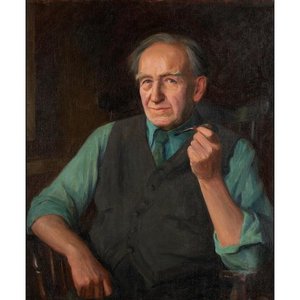
george lothian hall
1825 - 1888 , United Kingdom
Quick Facts
- Artistic Movement Or Style: Neoclassicism
- Artists Or Movements Influenced By This Artist:
- Romanticism
- Neoclassicism
- Artists Who Influenced This Artist:
- Henry Fuseli
- George Inness
- Date Of Birth: 1748
- Date Of Death: 1825
- Full Name: Jacques-Louis David
- Nationality: French
- Notable Artworks:
- Oath of the Horatii
- The Death of Marat
- Napoleon Crossing the Alps
- Place Of Birth: Paris, France