 Preview
 Send
Send Share
Share
 Details

 Download
 Similars
 X-Ray
X-Ray Diaporama
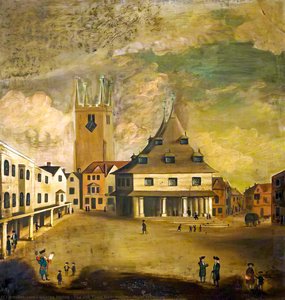
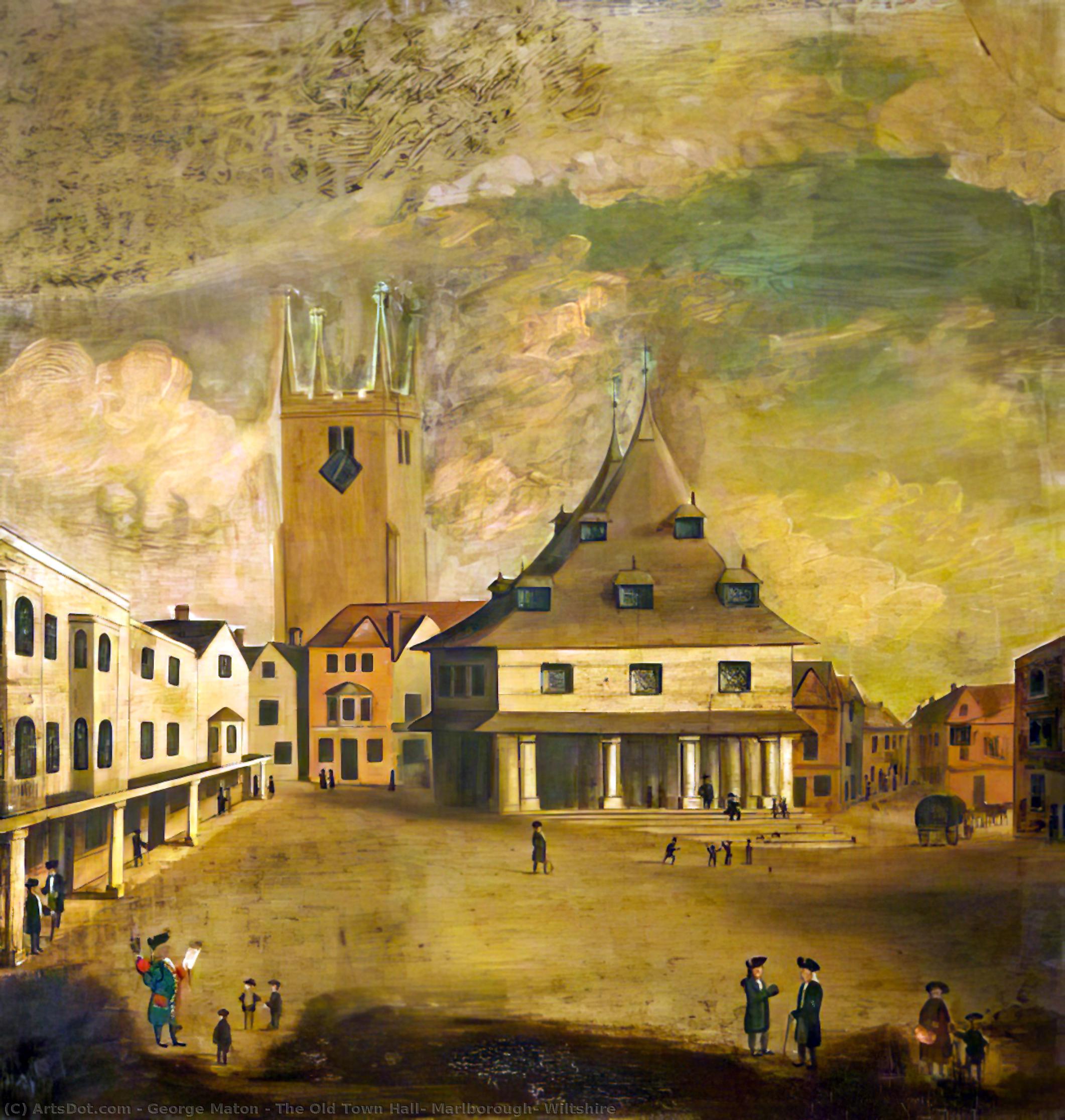
The Old Town Hall, Marlborough, Wiltshire
 41.0 x 39.0 cm
 Marlborough Town Council Offices
 Read More
Giclée / Art Print
Museum-quality giclée or canvas print with fast production and flexible finish options. ( Buy Hand Made Painting Buy Image)




































Pick from our preset sizes that match the artwork's original proportions.

You may enter your own dimensions to fit a specific frame or space. If your selected size does not match the original image's proportions, we will either crop the artwork or extend the image with a mirrored or solid-fill edge. A digital mockup will be sent for your approval before production begins.
Please note that the on-screen preview does not reflect the actual cropping or extension. Only the mockup will accurately show the final composition.
While custom sizes are available, we recommend selecting a dimension from the predefined list to preserve the original proportions.
Worldwide Delivery () in 2 weeks instead of standard 4/5 weeks. (21 August)

Free Worldwide Express Shipping

High-Quality Linen Canvas

Full Shipping Insurance

Customs Tax Refund Guarantee

True Color Matching Guarantee

60-Day Return Policy (Defects Only)

100% Money-Back Guarantee

Bulk Discount Offer
 Glass option is only available in size under 110 CM

The Old Town Hall, Marlborough, Wiltshire
Giclée / Art Print
Reproduction Size
-


Total Price
$ 63
Related Artworks
Artist Biography
A Chronicler of Wiltshire: The Life and Art of George Maton
William George Maton, known as George Maton, remains a somewhat enigmatic figure in the pantheon of 19th-century British landscape painters. Born in the heart of Wiltshire, England – though precise dates elude comprehensive documentation – his life was deeply interwoven with the pastoral beauty of his native county. Unlike artists who sought training in grand academies or travelled extensively for inspiration, Maton’s artistic development blossomed from a profound and intimate connection to the rolling hills, ancient woodlands, and quiet villages surrounding him. He wasn't merely *depicting* Wiltshire; he was embodying it on canvas, becoming its visual historian. While biographical details are sparse, the sheer volume and consistent quality of his work suggest a dedicated artist who honed his skills through diligent observation and practice. His paintings aren’t flamboyant displays of technical virtuosity but rather quiet celebrations of rural life, imbued with a sense of authenticity that resonates even today.The Essence of the English Countryside
Maton's artistic output is overwhelmingly focused on Wiltshire landscapes. He eschewed dramatic mountain vistas or bustling urban scenes in favor of capturing the subtle nuances of the English countryside. His canvases are populated with idyllic rural scenes: farmers tending their fields, horse-drawn carts traversing winding lanes, and picturesque villages nestled amongst verdant hills. He possessed a remarkable ability to convey atmosphere, often depicting soft light filtering through clouds, casting long shadows across meadows and highlighting the textures of thatched roofs and weathered stone walls. His palette is typically muted, favoring earthy tones – greens, browns, ochres, and greys – which contribute to the sense of tranquility and timelessness that pervades his work. While not a member of any specific artistic school, Maton’s style shares affinities with the early Barbizon School painters in its focus on realism and naturalism. He wasn't interested in idealizing the countryside but rather in portraying it as it was – a working landscape shaped by human activity and the rhythms of nature.Influences and Artistic Development
Pinpointing direct artistic influences on Maton is challenging, given the limited documentation surrounding his life. However, one can discern echoes of earlier topographical painters like John Constable in his meticulous attention to detail and his sensitivity to light and weather conditions. The work of J.M.W. Turner, though vastly different in style, may have indirectly influenced Maton’s understanding of atmospheric perspective and the power of color. It's likely that he also drew inspiration from local artists and traditions within Wiltshire itself, absorbing the visual language of the region through observation and perhaps informal mentorship. His development appears to be one of gradual refinement rather than sudden stylistic shifts. Early works may exhibit a slightly more naive quality, but over time his technique became increasingly sophisticated, allowing him to capture with greater precision the subtleties of form and texture. He seems to have been largely self-taught, relying on his own keen eye and unwavering dedication to his subject matter.Major Themes and Historical Significance
The overarching theme in Maton’s work is a celebration of rural life and the enduring beauty of the English countryside. His paintings offer a glimpse into a world that was rapidly changing during the 19th century, as industrialization began to encroach upon traditional ways of life. He documented scenes of agricultural labor, capturing the daily routines of farmers and villagers with respect and empathy. He also depicted historic landmarks within Wiltshire, preserving them on canvas for posterity. While he didn’t explicitly set out to make a political statement, his work can be seen as a subtle form of resistance against the forces of modernization, a nostalgic longing for a simpler, more harmonious way of life. His historical significance lies in his ability to capture the essence of Wiltshire at a pivotal moment in its history. He provides invaluable visual documentation of rural landscapes and customs that have since disappeared, offering a unique window into the past. Today, his paintings are prized by collectors and art enthusiasts alike for their authenticity, tranquility, and enduring appeal.The Legacy of a Local Master
Although George Maton did not achieve widespread fame during his lifetime, his work has experienced a resurgence in popularity in recent years.- His paintings are increasingly sought after by collectors who appreciate their historical significance and artistic merit.
- Museums and galleries across England have begun to recognize the importance of his contribution to British landscape painting.
- Scholarly research is ongoing, shedding new light on his life and work.