

 Preview
 Send
Send Share
Share
 Details

 Download
 Similars
 X-Ray
X-Ray Diaporama
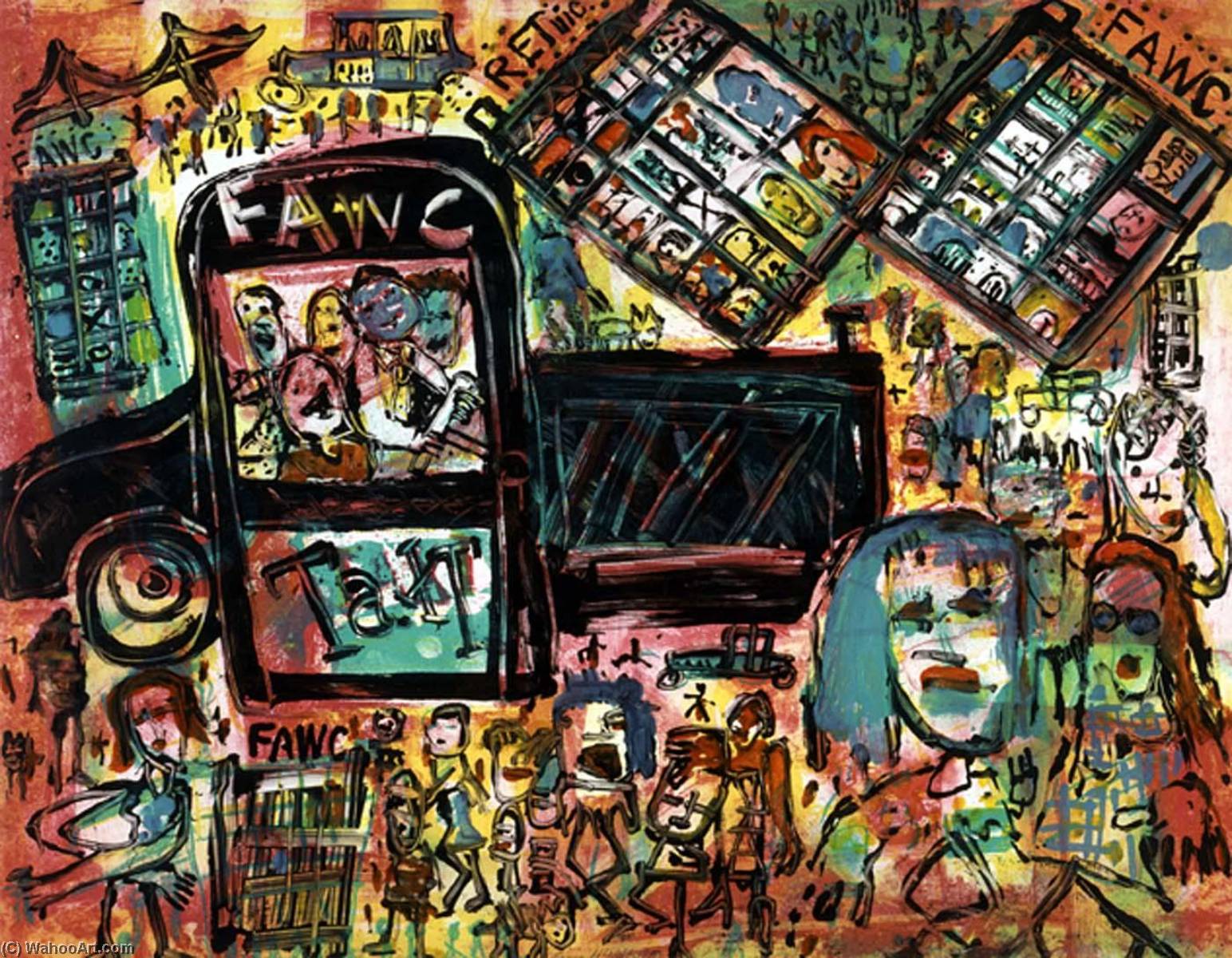
Untitled, from the portfolio The New Provincetown Print Project, 1990
 1990
1990 55.0 x 71.0 cm
 Read More
Purchase a high-resolution, enhanced digital image, far superior to the online preview.
Each file is meticulously prepared by our in-house specialists using advanced tools and expert manual retouching. We ensure every image has exceptional clarity, precise color accuracy, and fine detail.
The final file is delivered via email within 72 hours, optimized for immediate use in professional, editorial, and print environments. This is the same quality trusted by top-tier design studios, publishers, and galleries.
Digital Image
Download a high-resolution file for personal display, printing, and creative projects. ( Buy Print Buy Hand Made Painting)
Included in Every Digital Image Order
Expert Digital Delivery, Guaranteed
When you choose ArtsDot.com, you're not just getting an image - you're receiving a professionally enhanced digital artwork, crafted with precision and backed by a satisfaction guarantee. Here's everything that comes with your order, automatically:

Fast Email Delivery
Your high-resolution digital image file will be emailed to you within 72 hours of ordering - ready for immediate use.

AI-Enhanced Digital File
Your artwork is professionally optimized using advanced AI tools and manual editing, ensuring maximum detail, clarity, and color accuracy.

Free Lifetime Re-Delivery
Accidentally deleted or lost your file? No worries - we'll resend it to you anytime, free of charge.

No Import Fees - Ever
Enjoy your artwork instantly with zero customs, duties, or delivery fees - digital downloads are always tax-free.

Color Accuracy Guarantee
We ensure your digital image reflects the original colors as closely as possible using professional tools and color management.

60-Day Satisfaction Guarantee
If you're not satisfied with your digital image, we'll revise it or refund 100% within 60 days - no questions asked.

100% Money-Back Guarantee
Not satisfied? Get a full refund within 60 days of receiving your digital file - no questions asked.

Bulk Order Discounts
Buy 3 images, save 10% - Buy 5, save 15% - Buy 10+, save 20%. Great for creative projects, galleries, and agencies.
The Artist and His Work
George Mcneil was an American artist known for his contributions to the development of Abstract Expressionism. His work often featured geometric shapes, vibrant colors, and a sense of energy and movement. In "Untitled, from the portfolio The New Provincetown Print Project, 1990", Mcneil's use of color and composition creates a captivating cityscape that draws the viewer in.Key Features of the Painting
Some notable features of the painting include:- The dominant presence of a bus, surrounded by people and objects, which adds to the sense of energy and activity in the scene.
- The inclusion of cars, a person holding a cell phone, and smaller figures scattered throughout the scene, which creates a sense of depth and complexity.
- The use of bold colors and geometric shapes, which gives the painting a dynamic and modern feel.
The Smithsonian American Art Museum is a renowned institution dedicated to the preservation and promotion of American art. With a collection that spans over 7,000 artists and 15,000 works of art, it is a must-visit destination for anyone interested in exploring the world of art.
Related Artworks








Artist Biography
The Vibrant Pulse of Abstract Expressionism: The Life of George McNeil
George McNeil stands as a monumental figure within the pantheon of American Abstract Expressionism, a painter whose brushwork captured the very essence of movement and emotional intensity. Born on February 22, 1908, in the bustling borough of Queens, New York, McNeil was the youngest child of an Irish Catholic working-class family. This heritage provided a foundational grit and a deep-seated connection to the urban landscape that would later permeate his canvases. His early intellectual and artistic journey took him through Brooklyn Technical High School and the prestigious Pratt Institute, though he famously departed before completing his degree. Instead of formal academic titles, McNeil sought truth in the halls of the Metropolitan Museum of Art, where he spent countless hours meticulously copying the masters, a practice that instilled in him a profound respect for the lineage of great art while simultaneously fueling his desire to break free from representational constraints.
The trajectory of McNeil’s career was irrevocably shaped by his encounters with the titans of modernism. In the early 1930s, his studies at the Art Students League under Jan Matulka introduced him to the possibilities of collage and experimental textures. However, it was his profound association with Hans Hofmann that would become the cornerstone of his stylistic evolution. Serving as Hofmann’s monitor and assistant between 1932 and 1936, McNeil absorbed the master's revolutionary approach to color and form, learning to prioritize a reductive, essentialist language that favored the visceral impact of pigment over mere depiction. This period of mentorship allowed him to bridge the gap between structured composition and the raw, intuitive energy that would define his later works.
A Synthesis of Form and Figure
As the mid-century approached, McNeil’s work began to mirror the social and political turbulence of his era. During the Great Depression, he joined the Works Progress Administration’s Mural and Easel Section, a role that allowed him to engage directly with the concept of art as a social necessity. This period of public service coincided with his emergence as a founding member of the American Abstract Artists group, signaling his commitment to the avant-garde. While many of his contemporaries in the New York School drifted toward total abstraction, McNeil carved out a unique niche by navigating the delicate tension between pure abstraction and expressive figuration. He possessed a rare ability to weave recognizable elements—faces, bodies, and urban fragments—into a swirling vortex of color and motion.
His canvases often feel like living organisms, pulsing with a rhythmic vitality that suggests a dialogue between art freedom and controlled composition. In works such as Surprize 4, one can witness the fractured faces and bold, clashing colors that evoke the frantic energy of modern life. This stylistic trajectory—moving from the geometric explorations of his early years to a more fluid, gestural approach—allowed him to capture not just the sight of the world, but its psychological weight. His marriage to Dora Tamler in 1936 provided a stable emotional anchor amidst this creative whirlwind, supporting a life that saw the birth of his children, Helen and James, even as his artistic reach expanded across the global stage.
Legacy and Historical Significance
The historical significance of George McNeil lies in his refusal to be confined by the rigid boundaries of any single movement. He was a bridge-builder, connecting the disciplined lessons of the old masters with the explosive freedom of the post-war era. His work remains a testament to the power of Dynamic Abstract Expressionism, a term that perfectly encapsulates his ability to command both the eye and the spirit. Through his mastery of color field techniques and his unique brand of figurative abstraction, he helped define the visual language of the New York School.
Today, McNeil’s contributions are preserved in some of the world's most esteemed institutions, including the Smithsonian American Art Museum. His legacy is characterized by several enduring hallmarks:
- The Evolution of Style: A seamless transition from pure abstraction to a sophisticated, expressive figuration.
- Technical Mastery: An expert use of collage, texture, and color to create depth and movement.
- Cultural Impact: A significant role in the development of American modernism through his involvement with the WPA and the American Abstract Artists group.
- Emotional Resonance: The ability to translate the chaos and beauty of the modern human experience into a cohesive, painterly language.
Ultimately, George McNeil was more than just a painter; he was an architect of emotion, leaving behind a body of work that continues to vibrate with the same restless, beautiful energy that first ignited his soul in the streets of New York.
George McNeil
1908 - 1995
Quick Facts
- Artistic Movement Or Style: Abstract Expressionism
- Date Of Birth: 1908
- Date Of Death: 1995
- Full Name: George McNeil
- Nationality: American
- Notable Artworks: ['Untitled, from the portfolio The New Provincetown Print Project']
- Place Of Birth: Queens, New York
- Surprize 4", "Artists Who Influenced This Artist: ['Hans Hofmann']

