 Preview
 Send
Send Share
Share
 Details

 Download
 Similars
 X-Ray
X-Ray Diaporama
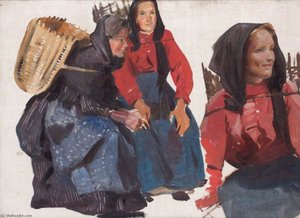
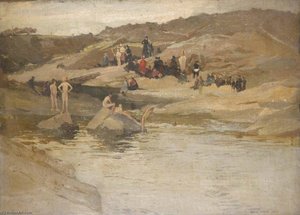
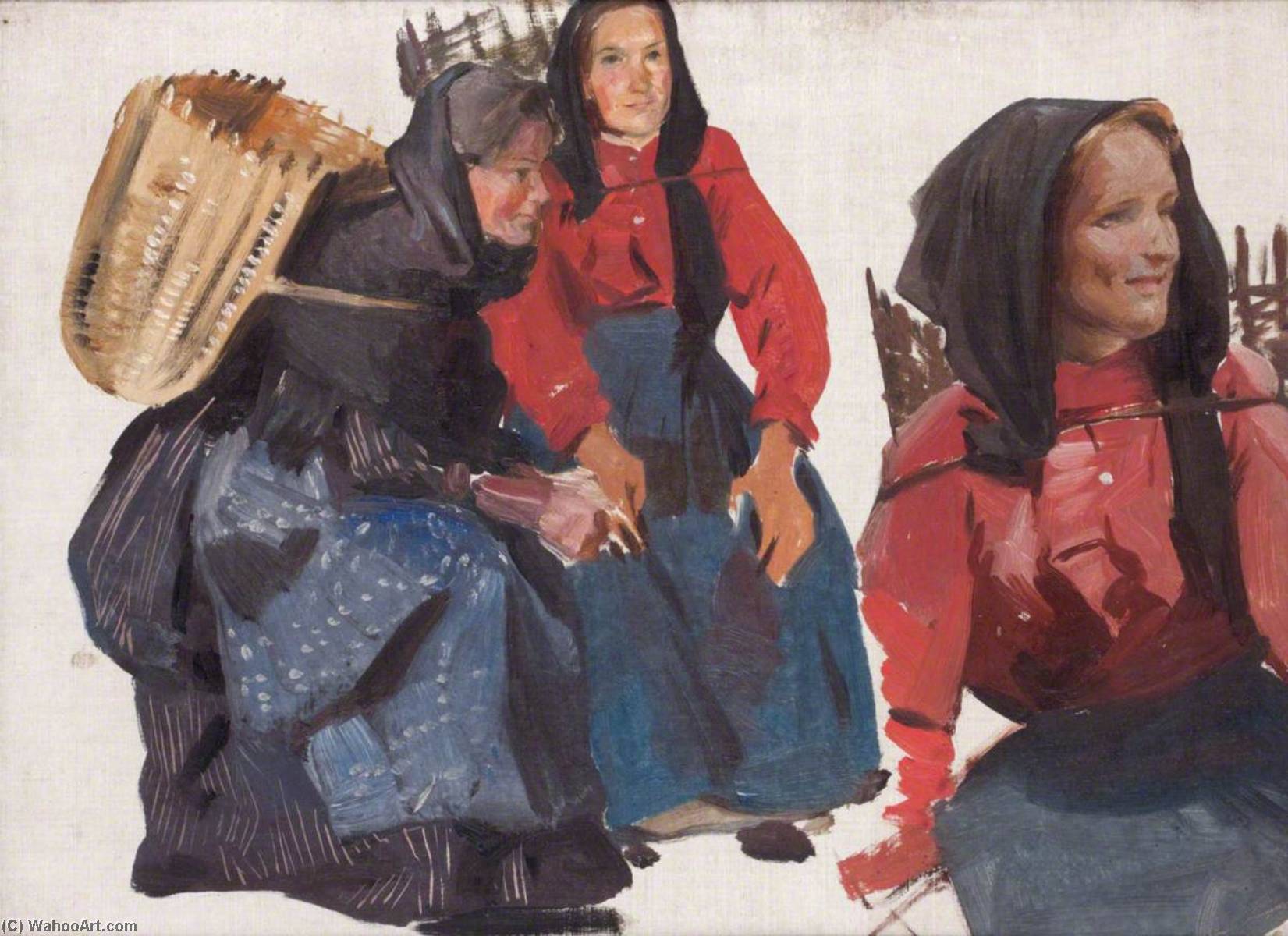
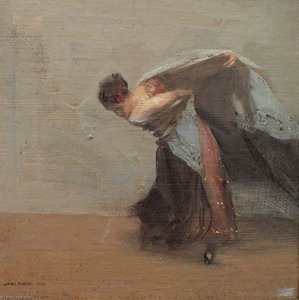
Fisherwomen at Portsoy
 32.0 x 43.0 cm
 Read More
Giclée / Art Print
Museum-quality giclée or canvas print with fast production and flexible finish options. ( Buy Hand Made Painting Buy Image)




































Pick from our preset sizes that match the artwork's original proportions.

You may enter your own dimensions to fit a specific frame or space. If your selected size does not match the original image's proportions, we will either crop the artwork or extend the image with a mirrored or solid-fill edge. A digital mockup will be sent for your approval before production begins.
Please note that the on-screen preview does not reflect the actual cropping or extension. Only the mockup will accurately show the final composition.
While custom sizes are available, we recommend selecting a dimension from the predefined list to preserve the original proportions.
Worldwide Delivery () in 2 weeks instead of standard 4/5 weeks. (25 August)

Free Worldwide Express Shipping

High-Quality Linen Canvas

Full Shipping Insurance

Customs Tax Refund Guarantee

True Color Matching Guarantee

60-Day Return Policy (Defects Only)

100% Money-Back Guarantee

Bulk Discount Offer
 Glass option is only available in size under 110 CM

Fisherwomen at Portsoy
Giclée / Art Print
Reproduction Size
-


Total Price
$ 63
Related Artworks








Artist Biography
The Quiet Majesty of George Murray
George Murray (1875–1933) stands as a significant figure in late Victorian and Edwardian British art, particularly renowned for his evocative watercolor landscapes that captured the serene beauty of rural England. While often overshadowed by the monumental legacies of contemporaries like Turner and Constable, Murray’s distinctive style established him as a respected artist within his time. His work continues to resonate with collectors and scholars today, offering a window into a vanished era of pastoral tranquility. Characterologized by meticulous observation, subtle tonal gradations, and an emphasis on atmospheric perspective, his oeuvre serves as a profound meditation on the natural world.
Born in Edinburgh, Scotland, Murray’s artistic journey began under the watchful eye of his father, William Murray, a fellow watercolorist. This early familial influence was foundational, instilling in George a deep appreciation for the expressive potential of watercolor pigment and the delicate technicalities required to master the medium. His formal training at the prestigious Slade School of Fine Art in London further refined his vision. Studying under the legendary Frederic Leighton, Murray absorbed the principles of Academic Impressionism, learning to balance rigorous compositional structure with a sensitive approach to light and detail. This academic foundation allowed him to move beyond mere representation, seeking instead to capture the very soul of the landscapes he encountered.
A Vision of the British Landscape
Murray’s artistic output spanned several decades, producing approximately 300 paintings that primarily focused on the pastoral splendor of the Cotswolds, the rugged Dorset coastline, and the sweeping Scottish Highlands. Unlike many of his contemporaries who sought grand vistas or dramatic, tempestuous effects, Murray deliberately favored quieter, more intimate scenes. He found beauty in rolling hills bathed in soft sunlight and misty valleys reflecting the subtle shifts of the changing seasons. His paintings convey a profound sense of peace, inviting the viewer into a world where time seems to slow down.
The technical mastery evident in his work is particularly striking when observing his rendering of natural textures. A keen eye for detail allowed him to breathe life into:
- The delicate blades of summer grass, captured with precision and light.
- Weathered stone surfaces, reflecting the ancient history of the English countryside.
- Rippling water surfaces, where subtle tonal shifts suggest movement and depth.
This dedication to capturing the nuances of the natural world transformed his landscapes from simple depictions into immersive experiences. His ability to manipulate watercolor to suggest atmosphere—the dampness of a morning mist or the warmth of a late afternoon glow—remains one of his most enduring legacies.
Legacy and Artistic Significance
Among Murray’s most celebrated works are pieces such as “Fishing Boats,” executed in 1908, which showcases his ability to blend impressionistic brushwork with a muted, historical palette. His work often bridges the gap between the meticulous realism of the academic tradition and the emotive, light-focused approach of the Impressionists. Through his lens, the landscape is not merely a subject but a vessel for emotion and memory.
The historical significance of George Murray lies in his role as a chronicler of the British pastoral ideal during a period of rapid industrial change. As the world moved toward modernity, Murray’s paintings preserved the sanctity of the rural landscape, offering a sense of permanence and connection to the earth. His meticulous rendering of light and texture ensures that his work remains a vital part of the British art canon, providing a timeless sanctuary for those seeking beauty in the quiet corners of the natural world.
george murray
1875 - 1933
Quick Facts
- Artistic Movement Or Style: Watercolor Painting
- Artists Or Movements Influenced By This Artist: ['Romantic Landscape Art']
- Artists Who Influenced This Artist: ['Henry William Pickersgill']
- Date Of Death: 1933
- Full Name: George Murray
- Nationality: Scottish
- Notable Artworks:
- Fishing Boats
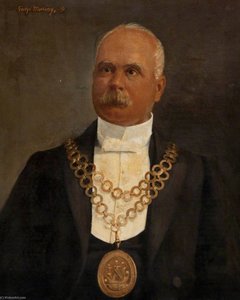
- Portrait of a Provost
- Place Of Birth: Glasgow, Scotland