 Preview
 Send
Send Share
Share
 Details

 Download
 Similars
 X-Ray
X-Ray Diaporama
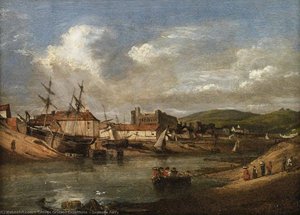
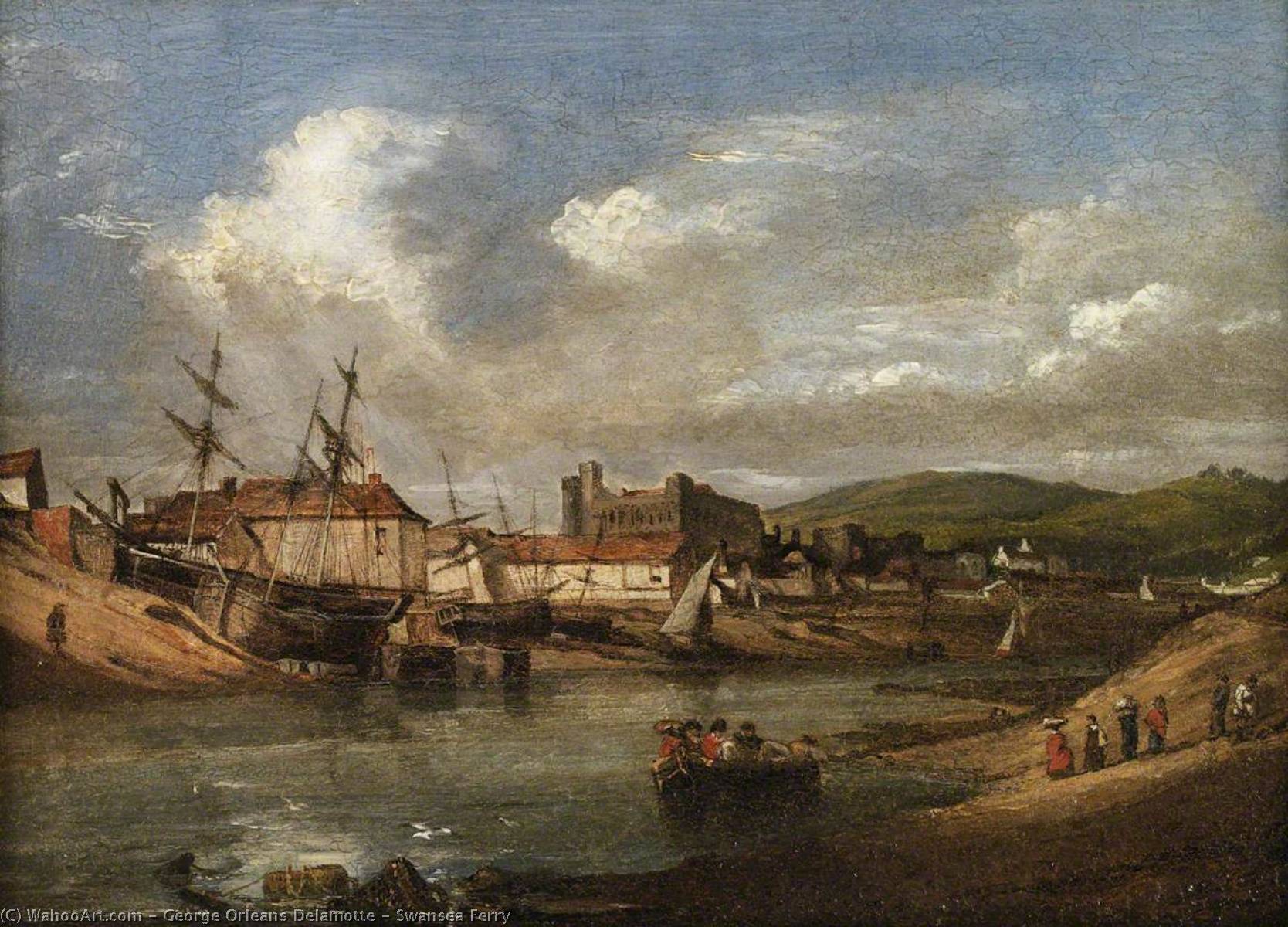
Swansea Ferry
 1820
1820 20.0 x 30.0 cm
 Llyfrgell Genedlaethol Cymru / The National Library of Wales
 Read More
Giclée / Art Print
Museum-quality giclée or canvas print with fast production and flexible finish options. ( Buy Hand Made Painting Buy Image)




































Pick from our preset sizes that match the artwork's original proportions.

You may enter your own dimensions to fit a specific frame or space. If your selected size does not match the original image's proportions, we will either crop the artwork or extend the image with a mirrored or solid-fill edge. A digital mockup will be sent for your approval before production begins.
Please note that the on-screen preview does not reflect the actual cropping or extension. Only the mockup will accurately show the final composition.
While custom sizes are available, we recommend selecting a dimension from the predefined list to preserve the original proportions.
Worldwide Delivery () in 2 weeks instead of standard 4/5 weeks. (21 August)

Free Worldwide Express Shipping

High-Quality Linen Canvas

Full Shipping Insurance

Customs Tax Refund Guarantee

True Color Matching Guarantee

60-Day Return Policy (Defects Only)

100% Money-Back Guarantee

Bulk Discount Offer
 Glass option is only available in size under 110 CM

Swansea Ferry
Giclée / Art Print
Reproduction Size
-


Total Price
$ 63
Collectible Description
A Harbor Scene like No Other
The painting depicts a bustling harbor with several boats docked in the water. The sky above is cloudy, adding depth and atmosphere to the scene. People are scattered throughout the image, some standing near the boats while others are further away. A horse is also visible on the right side of the painting, suggesting that this harbor was used for transportation purposes. Key Features of the painting include:- The beautiful depiction of the harbor scene
- The use of cloudy skies to add depth and atmosphere
- The presence of people and a horse, indicating the harbor's importance for transportation
About the Artist
George Orleans Delamotte was a talented artist who worked as a drawing master at Sandhurst, Reading, and London. He exhibited his work at the Royal Academy in 1809 and published a series of prints of landscapes in the Neath Valley. Interesting Facts about George Orleans Delamotte include:- He was the brother of William Delamotte
- He worked as a drawing master at several institutions
- He exhibited his work at the Royal Academy in 1809
For more information on George Orleans Delamotte and his works, visit https://ArtsDot.com. You can also explore other paintings by the artist, including Swansea Ferry, on the website. Additionally, you can learn more about the Llyfrgell Genedlaethol Cymru / The National Library of Wales and its collection on https://ArtsDot.com.
Related Artworks










Artist Biography
George Orleans Delamotte: A Visionary of Welsh Coastline
George Orleans Delamotte (born circa 1768, Swansea, Glamorgan; died 1843, Swansea) stands as a pivotal figure in the history of British watercolor painting and landscape art. His canvases capture not merely picturesque vistas but imbued them with an emotional depth that reflects the burgeoning Romantic sensibility sweeping across Europe during his lifetime. Delamotte’s artistic legacy resides primarily in his meticulous depictions of the Welsh coastline – specifically the Swansea estuary and surrounding areas – establishing him as one of Wales's foremost landscape artists.Early Life and Artistic Training
Information regarding Delamotte’s formative years remains somewhat elusive, largely due to the limitations of archival records from the late 18th century. However, it is known that he hailed from a family steeped in mercantile tradition – his father was a prominent shipowner – affording him access to considerable resources and fostering an environment conducive to intellectual pursuits. Despite the prevailing societal expectations for gentlemen of his stature, Delamotte pursued formal artistic training independently, traveling extensively throughout Europe during his youth. Notably, he studied under Claude Joseph Vernet in Paris, absorbing Vernet’s masterful technique of capturing atmospheric effects and conveying sublime grandeur – influences that would profoundly shape Delamotte's own stylistic approach.The Swansea Landscape Tradition
Delamotte’s artistic breakthrough occurred upon returning to Swansea, where he established himself as a respected watercolorist and embarked on a prolific career documenting the region’s dramatic coastline. Unlike many of his contemporaries who favored grand panoramic views, Delamotte prioritized capturing nuanced details – the interplay of light and shadow across turbulent waters, the textures of weathered cliffsides, and the subtle hues of coastal vegetation. His paintings are characterized by an unwavering commitment to accuracy combined with a palpable sense of feeling; he sought not simply to represent what he saw but to convey its inherent beauty and power. He became particularly celebrated for his depictions of the Neath River estuary, capturing its serene reflections and highlighting its importance as a vital waterway connecting Swansea to inland Wales.Technique and Style
Delamotte’s artistic style can be described as meticulously controlled yet remarkably expressive. He employed a layered glazing technique – applying thin washes of color over subsequent layers – allowing for gradual tonal adjustments and achieving luminous effects that are hallmarks of the Romantic aesthetic. His brushwork is characterized by delicate precision, conveying subtle variations in texture and capturing the ephemeral qualities of atmospheric conditions. Furthermore, Delamotte’s palette favored muted tones—primarily blues, greens, and browns—reflecting his keen observation of natural color palettes and reinforcing the mood of contemplative grandeur.Legacy and Historical Significance
George Orleans Delamotte's contribution to Welsh art history is undeniable. His paintings continue to inspire admiration for their technical brilliance and emotional resonance, serving as invaluable records of a bygone era. More importantly, Delamotte’s unwavering devotion to portraying the sublime beauty of the Welsh coastline solidified a distinctive landscape tradition that endured throughout the Victorian period and beyond. He stands as an exemplar of Romantic idealism—a testament to the transformative power of art to elevate perception and capture the essence of human experience—leaving an indelible mark on the artistic canon of Britain.
Quick Facts
- Artistic Movement Or Style: Romantic Landscape Painting
- Artists Or Movements Influenced By This Artist: ['Hudson Lowe']
- Artists Who Influenced This Artist:
- Turner
- Fuseli
- Date Of Birth: Living
- Full Name: George Orleans Delamotte
- Nationality: British
- Notable Artworks:
- Neath River Landscapes
- Coastal Scenes
- Place Of Birth: Swansea, Wales