 Preview
 Send
Send Share
Share
 Details

 Download
 Similars
 X-Ray
X-Ray Diaporama
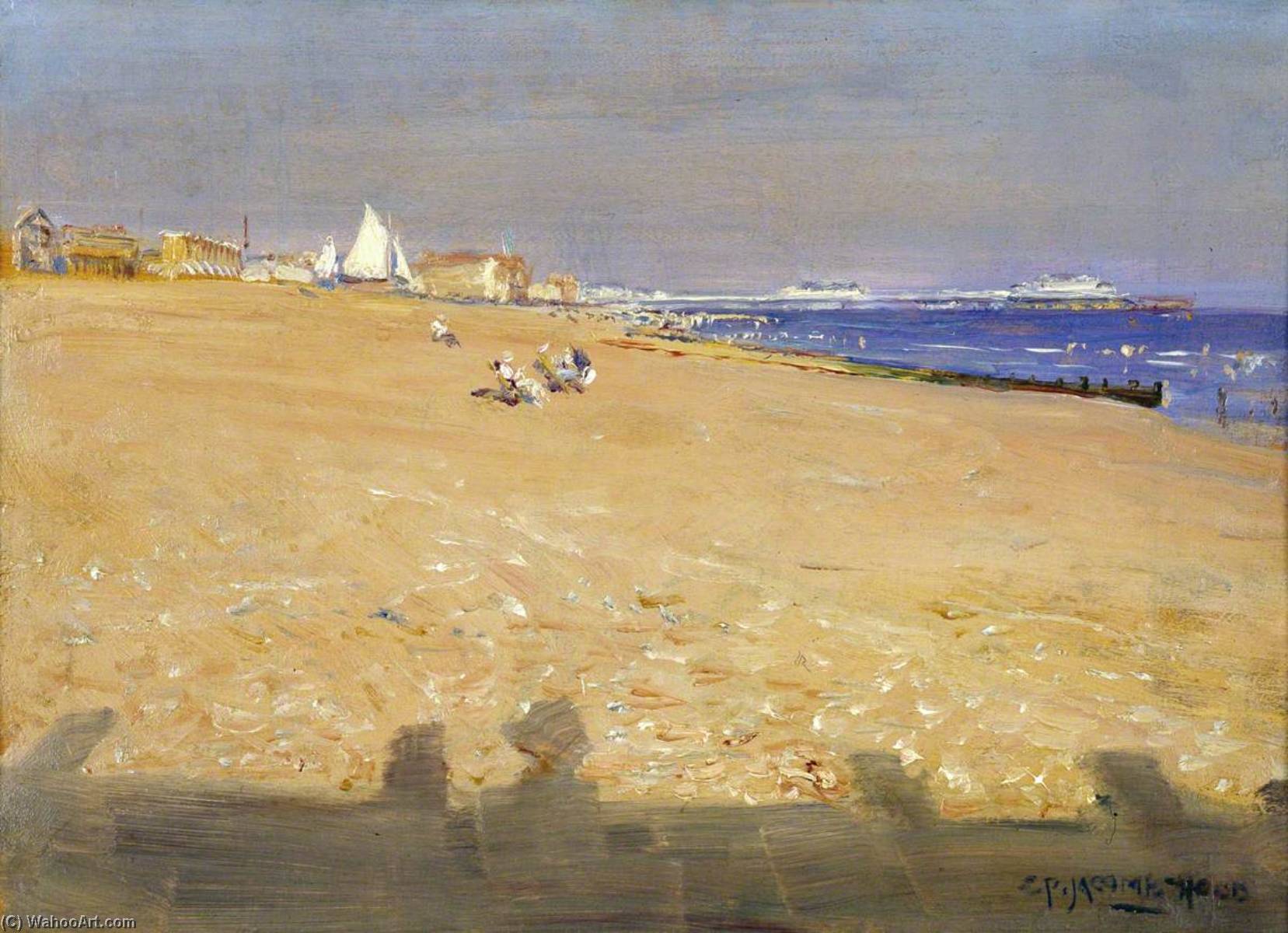
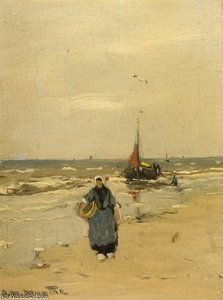
Hove Beach, East Sussex
 1920
1920 22.0 x 31.0 cm
 Read More
Hand Made Oil Reproduction
Hand-painted oil on canvas in your size and frame, made to order by our artists. ( Buy Print Buy Image)




































Pick from our preset sizes that match the artwork's original proportions.

You may enter your own dimensions to fit a specific frame or space. If your selected size does not match the original image's proportions, we will either crop the artwork or extend the painting with additional hand-painted elements. A digital mockup will be sent for your approval before production begins.
Please note that the on-screen preview does not reflect the actual cropping or extension. Only the mockup will accurately show the final composition.
While custom sizes are available, we recommend selecting a dimension from the predefined list to preserve the original proportions.
After order, ArtsDot.com team will email client for instructions and provide a mockup preview
Worldwide Delivery () in 3/4 weeks instead of standard 5 weeks. (16 August). No compromise on quality.

Free Worldwide Express Shipping

High-Quality Linen Canvas

Full Shipping Insurance

Customs Tax Refund Guarantee

True Color Matching Guarantee

60-Day Return Policy (Defects Only)

100% Money-Back Guarantee

Bulk Discount Offer
 Glass option is only available in size under 110 CM

Hove Beach, East Sussex
Reproduction Medium
Reproduction Size
-


Total Price
$ 263
Related Artworks
Artist Biography
The Visionary Eye of George Percy Jacomb-Hood
In the golden twilight of the Victorian and Edwardian eras, few artists possessed the versatile gaze of George Percy Jacomb-Hood. Born on July 6th, 1857, in the quiet surroundings of Redhill, Surrey, his life was shaped by a unique intersection of industrial heritage and high artistic tradition. As the son of Robert Jacomb-Hood, a prominent railway engineer, George inherited a disciplined appreciation for structure and detail, yet his soul sought the more ephemeral beauty found in light and human expression. His journey from the structured landscapes of England to the vibrant studios of Paris and Madrid would eventually forge an artist capable of capturing both the monumental dignity of a portrait and the fleeting magic of a distant land.
His formal training was nothing short of prestigious, beginning at the Slade School of Fine Art in London. Under the watchful eyes of masters such as Frederence Leighton and Alphonse Legros, Jacomb-Hood absorbed the rigorous principles of the Beaux Arts aesthetic. This education provided him with a profound understanding of proportion and classical beauty, which he later infused with a more modern, observational sensitivity. A pivotal moment in his development arrived through a travelling scholarship that whisked him away to the continent. Immersing himself in the works of Jean-Paul Laurens in Paris and exploring the sun-drenched streets of Madrid, he expanded his visual vocabulary, learning to translate the atmospheric nuances of foreign cultures onto the canvas with an almost tactile intimacy.
A Legacy of Ink and Oil
While many artists find their niche within a single medium, Jacomb-Hood’s talent was remarkably fluid, spanning the delicate precision of etching, the narrative depth of illustration, and the soulful weight of oil painting. He became a vital voice in the periodical press, contributing evocative illustrations to The Graphic and the Illustrated London News. These were not merely drawings; they were windows into the expanding world of the late 19th century. His role as an artist-correspondent allowed him to document history as it unfolded, most notably during the 1896 Summer Olympics in Athens, where his sketches captured the rebirth of classical athletic spirit. His travels even took him to the heart of India in 1902, bringing the vibrant textures of Delhi back to the London public.
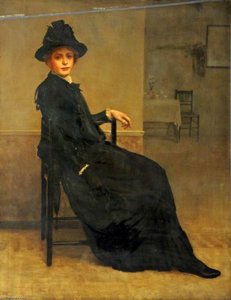
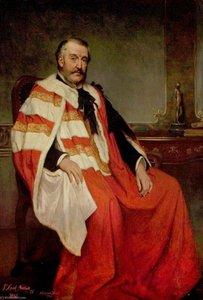
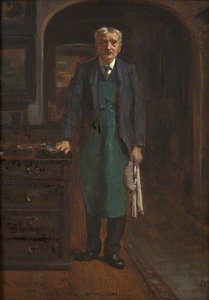
Beyond the printed page, his reputation as a portraitist solidified his place within the upper echelons of British society. He possessed a rare ability to navigate the complexities of character, rendering his sitters—often members of the aristocracy and the burgeoning professional class—with an unwavering realism that never sacrificed grace. His membership in prestigious institutions such as the New English Art Club and the Society of Portrait Painters reflected his standing among his peers. Whether he was illustrating a romantic tale by H. Rider Haggard or capturing the quiet authority of a scholar, Jacomb-Hood’s work remained anchored in a profound respect for the subject's humanity.
The breadth of his artistic contributions can be summarized through several key pillars of his career:
- Mastery of Portraiture: A celebrated ability to capture the psychological depth and social dignity of the British elite.
- Journalistic Illustration: Serving as a visual storyteller for major publications, documenting global events from Greece to India.
- Academic Excellence: A refined technique rooted in the prestigious Slade School and the École des Beaux-Arts.
- Institutional Influence: A founding presence in significant art societies that shaped the direction of British modernism.
When George Percy Jacomb-Hood passed away in Alassio, Italy, in 1929, he left behind a body of work that serves as a bridge between eras. His art remains a testament to a time when the meticulousness of the old world met the burgeoning curiosity of the new, leaving an indelible mark on the history of British illustration and portraiture.
george percy jacomb hood
1857 - 1929
Quick Facts
- Artistic Movement Or Style: Realism
- Artists Or Movements Influenced By This Artist: ['New English Art Club']
- Artists Who Influenced This Artist: ['William Morris']
- Date Of Birth: July 6, 1857
- Date Of Death: 1929
- Full Name: George Percy Jacomb-Hood
- Nationality: British
- Notable Artworks:
- A Summer's Day
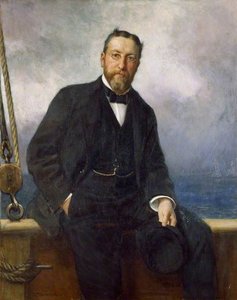
- Peter Thellusson (1850–1899), on Board the Yacht, 'Albion'
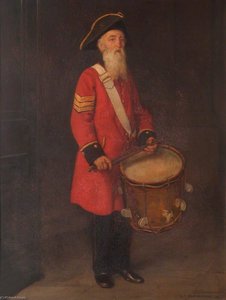
- Sergeant Drummer Henry Gribble
- Place Of Birth: Redhill, Surrey