 Preview
 Send
Send Share
Share
 Details

 Download
 Similars
 X-Ray
X-Ray Diaporama
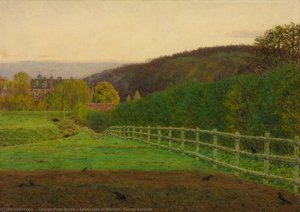
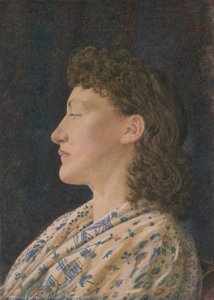
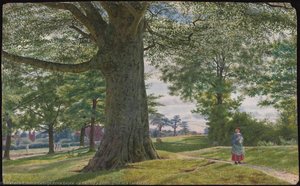
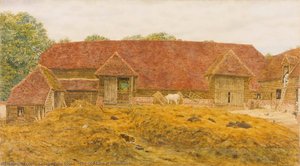
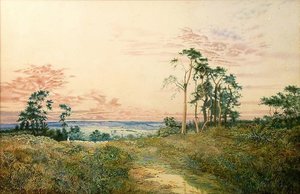
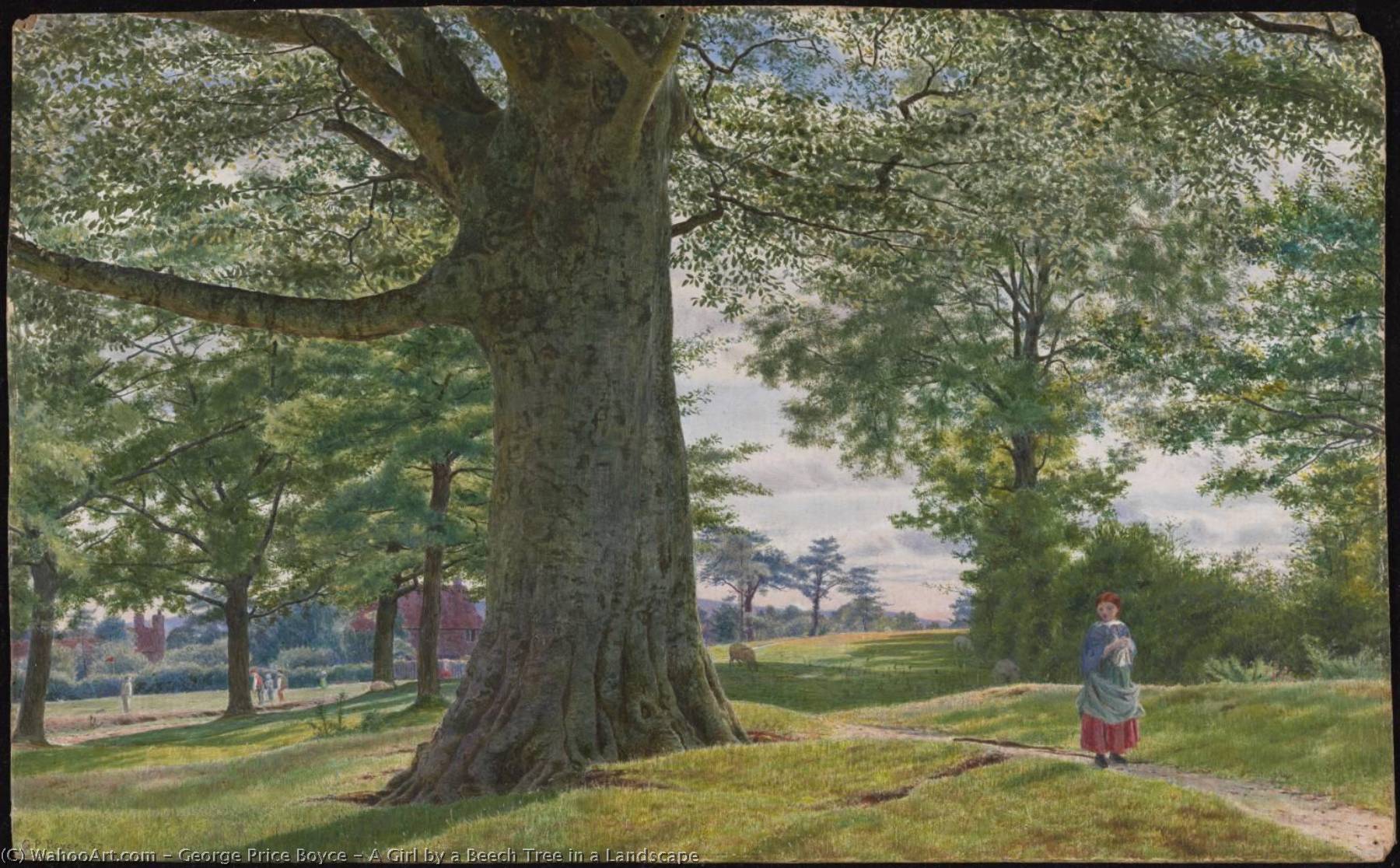
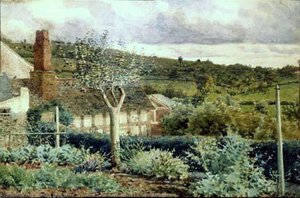
A Girl by a Beech Tree in a Landscape

 Read More
Hand Made Oil Reproduction
Hand-painted oil on canvas in your size and frame, made to order by our artists. ( Buy Print Buy Image)




































Pick from our preset sizes that match the artwork's original proportions.

You may enter your own dimensions to fit a specific frame or space. If your selected size does not match the original image's proportions, we will either crop the artwork or extend the painting with additional hand-painted elements. A digital mockup will be sent for your approval before production begins.
Please note that the on-screen preview does not reflect the actual cropping or extension. Only the mockup will accurately show the final composition.
While custom sizes are available, we recommend selecting a dimension from the predefined list to preserve the original proportions.
After order, ArtsDot.com team will email client for instructions and provide a mockup preview
Worldwide Delivery () in 3/4 weeks instead of standard 5 weeks. (24 August). No compromise on quality.

Free Worldwide Express Shipping

High-Quality Linen Canvas

Full Shipping Insurance

Customs Tax Refund Guarantee

True Color Matching Guarantee

60-Day Return Policy (Defects Only)

100% Money-Back Guarantee

Bulk Discount Offer
 Glass option is only available in size under 110 CM

A Girl by a Beech Tree in a Landscape
Reproduction Medium
Reproduction Size
-


Total Price
$ 263
Related Artworks









Artist Biography
George Price Boyce: A Pre-Raphaelite Echo of English Landscapes
George Price Boyce (1826-1897) wasn’t a name that immediately leaps to mind when discussing the titans of the Pre-Raphaelite movement, yet his quietly evocative watercolors offer a crucial and often overlooked perspective on the era's fascination with nature, vernacular architecture, and the subtle poetry of rural England. Born in London’s Gray’s Inn Terrace, Boyce’s artistic journey began not with brushes and canvases, but with an apprenticeship to an architect, a path quickly abandoned after a formative encounter with David Cox in 1849. This pivotal meeting ignited within him a passion for capturing the beauty of the natural world, leading him away from structured design towards the fluid lines and luminous colors that would define his distinctive style.
Boyce’s early work reveals a clear debt to Cox, mirroring his meticulous observation of detail and a preference for depicting scenes of everyday life. However, he quickly developed an individual voice, influenced by the Pre-Raphaelite ideals of truth to nature and a rejection of academic conventions. He embraced the movement's interest in folklore, mythology, and the beauty found in humble subjects – the weathered barns of the Thames Valley, the quiet lanes of Sussex, and the ancient churches nestled amongst rolling hills. His travels, particularly his sojourn in Venice in 1854, exposed him to a different aesthetic, informing his later work with a heightened sense of light, color, and atmospheric perspective.
Connections and Influences
Boyce’s artistic circle was remarkably vibrant, fueled by intellectual curiosity and a shared desire to explore new creative avenues. He forged close friendships with key figures within the Pre-Raphaelite Brotherhood, including Dante Gabriel Rossetti, Thomas Seddon, and William Holman Hunt. Rossetti, in particular, proved a significant influence, commissioning Boyce to create sketches for his own watercolor writing on the sand (1858), a project that showcased the artist’s ability to capture fleeting moments of beauty and translate them onto paper. The exchange of ideas and artistic techniques within this group was constant, creating a dynamic environment where innovation flourished.
Beyond the Brotherhood, Boyce maintained connections with other prominent artists of the time, including John Everett Millais and Edward Poynter. His diary, spanning from 1851 to 1875, provides invaluable insight into these relationships and reveals his deep engagement with contemporary artistic debates. He was a founding member of the Hogarth Club, an organization dedicated to promoting interest in the art and architecture of the Middle Ages, demonstrating a broader intellectual curiosity that extended beyond the confines of the Pre-Raphaelite movement.
A Distinctive Style: Detail and Atmosphere
Boyce’s watercolors are characterized by their remarkable detail and atmospheric depth. He possessed an extraordinary ability to render textures with precision – the rough bark of a tree, the weathered stones of a church wall, the folds of a farmer's clothing. Yet, he never sacrificed atmosphere for mere accuracy. His compositions often feature subtle gradations of light and shadow, creating a sense of mood and inviting the viewer to lose themselves in the scene. His use of color was particularly noteworthy – muted greens, browns, and blues dominated his landscapes, evoking a feeling of quiet contemplation and timelessness.
Notably, Boyce’s later work explored nocturnal scenes, anticipating Whistler's development of the nocturne as an independent genre. These paintings, often depicting the Thames at night, demonstrate a fascination with light and shadow, capturing the ethereal beauty of twilight hours. His meticulous observation of detail combined with his atmospheric sensibility resulted in works that are both visually arresting and emotionally resonant.
Legacy and Recognition
Despite not achieving the same level of fame as some of his Pre-Raphaelite contemporaries, George Price Boyce’s contribution to British watercolor is significant. His paintings offer a valuable glimpse into the artistic sensibilities of the era and demonstrate a deep appreciation for the beauty of the English countryside. His work has been exhibited at the Royal Academy and the Old Watercolour Society, and his diaries provide a unique window into the lives and creative processes of some of Britain’s most influential artists. Today, Boyce's paintings are held in major collections around the world, testament to their enduring appeal and artistic merit.
Boyce’s legacy extends beyond his individual works; he represents a crucial link between the Romantic landscape tradition and the more formalized aesthetic of the Pre-Raphaelites, embodying a quiet yet profound engagement with the natural world and its inherent beauty.
george price boyce
1826 - 1897
Quick Facts
- Artistic Movement Or Style: Pre-Raphaelite
- Artists Or Movements Influenced By This Artist:
- Rossetti
- Millais
- Hunt
- Artists Who Influenced This Artist:
- David Cox
- Thomas Seddon
- Date Of Birth: 24 Sept 1826
- Date Of Death: 9 Feb 1897
- Full Name: George Price Boyce
- Nationality: British
- Notable Artworks:
- Church & House Ludlow
- Old Barn Whitchurch
- Garden Sherford Cottage
- Place Of Birth: Gray's Inn Terrace, London