

 Preview
 Send
Send Share
Share
 Details

 Download
 Similars
 X-Ray
X-Ray Diaporama
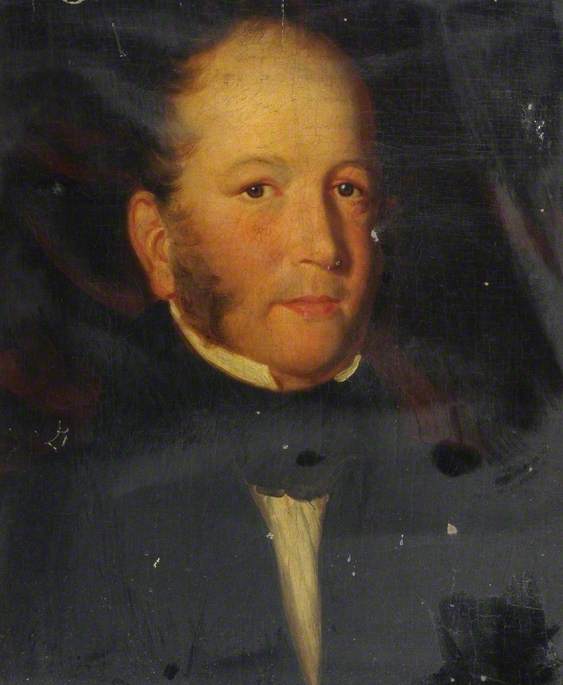
Joseph Reid, Grandfather of Norman Ashton of Hull
 45.0 x 37.0 cm
 Ferens Art Gallery
 Read More
Purchase a high-resolution, enhanced digital image, far superior to the online preview.
Each file is meticulously prepared by our in-house specialists using advanced tools and expert manual retouching. We ensure every image has exceptional clarity, precise color accuracy, and fine detail.
The final file is delivered via email within 72 hours, optimized for immediate use in professional, editorial, and print environments. This is the same quality trusted by top-tier design studios, publishers, and galleries.
Digital Image
Download a high-resolution file for personal display, printing, and creative projects. ( Buy Print Buy Hand Made Painting)
Included in Every Digital Image Order
Expert Digital Delivery, Guaranteed
When you choose ArtsDot.com, you're not just getting an image - you're receiving a professionally enhanced digital artwork, crafted with precision and backed by a satisfaction guarantee. Here's everything that comes with your order, automatically:

Fast Email Delivery
Your high-resolution digital image file will be emailed to you within 72 hours of ordering - ready for immediate use.

AI-Enhanced Digital File
Your artwork is professionally optimized using advanced AI tools and manual editing, ensuring maximum detail, clarity, and color accuracy.

Free Lifetime Re-Delivery
Accidentally deleted or lost your file? No worries - we'll resend it to you anytime, free of charge.

No Import Fees - Ever
Enjoy your artwork instantly with zero customs, duties, or delivery fees - digital downloads are always tax-free.

Color Accuracy Guarantee
We ensure your digital image reflects the original colors as closely as possible using professional tools and color management.

60-Day Satisfaction Guarantee
If you're not satisfied with your digital image, we'll revise it or refund 100% within 60 days - no questions asked.

100% Money-Back Guarantee
Not satisfied? Get a full refund within 60 days of receiving your digital file - no questions asked.

Bulk Order Discounts
Buy 3 images, save 10% - Buy 5, save 15% - Buy 10+, save 20%. Great for creative projects, galleries, and agencies.
Related Artworks








Artist Biography
The Precision of a Visionary: The Life and Legacy of George Pycock Everett Green
In the grand tapestry of Victorian art, where romanticism often draped the canvas in soft, ethereal light, there existed a singular, focused brilliance dedicated to the uncompromising truth of the physical form. George Pycock Everett Green, born around 1811 in the industrious landscape of Newcastle upon Tyne, carved out a niche that was as much scientific as it was aesthetic. While many of his contemporaries sought to capture the fleeting emotions of a landscape or the idealized grace of a portrait, Green turned his gaze toward the intricate, often hidden complexities of human anatomy. His journey from a classical education at Newcastle Grammar School to becoming a pioneer of medical illustration represents a profound intersection of fine art and clinical precision.
Green’s early artistic identity was rooted in the tradition of the portraitist. Establishing himself in Newcastle, he gained renown for his ability to capture the nuanced character and dignity of local prominent families. These early works were marked by an impressive command of realism, a skill that would later serve as the bedrock for his most significant scientific contributions. His brushwork possessed a sensitivity that allowed him to render skin, fabric, and expression with a lifelike quality, yet it was his transition from the studio to the dissecting table that would forever alter his artistic trajectory.
A Convergence of Art and Anatomy
The year 1856 marked a transformative epoch in Green’s career when he accepted a position at St George's Hospital Medical School in London. This move was not merely a change in geography but a fundamental shift in purpose. Recognizing the desperate need for accurate, high-fidelity visual aids to advance surgical training, Green applied his mastery of light and form to the study of human biology. He embarked on an ambitious and grueling project: the creation of detailed anatomical plates that could serve as definitive guides for the medical community.
This period of intense labor required a level of dedication that few artists could endure. To achieve the necessary accuracy, Green painstakingly dissected cadavers, translating the raw, often visceral reality of dissection into exquisitely rendered illustrations. His work on the thorax and abdomen became particularly celebrated, as he managed to imbue these complex anatomical structures with a clarity that was both educational and visually arresting. Through his hands, the cold reality of medical science was elevated by the grace of classical technique, creating a series of plates that became invaluable resources for surgeons and students across Britain.
Historical Significance and Artistic Heritage
Though history occasionally relegates Green to the shadows of more famous contemporaries like William Henry Haydon or Joseph Noel Paton, his impact on the visual language of medicine is undeniable. He bridged the gap between the observational rigor of the scientist and the expressive capability of the artist. His legacy is not found merely in the beauty of his lines, but in the way those lines facilitated the advancement of surgical knowledge and medical education during a period of rapid scientific discovery.
Beyond his clinical contributions, Green’s life was intertwined with the intellectual fabric of the Victorian era. He was part of a family of scholars and creators; his marriage to the esteemed historian Mary Anne Everett Green linked him to the very heart of British archival and historical scholarship. Together, they represented a union of art and history that defined much of the nineteenth-century cultural landscape. Today, we remember George Pycock Everett Green not just as an illustrator, but as a master of detail who found profound beauty in the most fundamental structures of life.
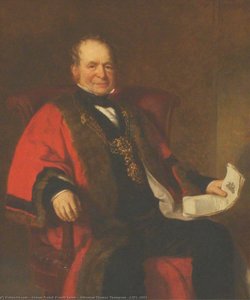
george pycock everett green
1856 - 1932
Quick Facts
- Artistic Movement Or Style: Historical Illustration
- Artists Or Movements Influenced By This Artist: ['Victorian Art']
- Artists Who Influenced This Artist: ['William Powell Frith']
- Date Of Death: 1932
- Full Name: George Pycock Everett Green
- Nationality: British
- Notable Artworks: ['St Georges Hospital Portrait']
- Place Of Birth: London, England

