

 Preview
 Send
Send Share
Share
 Details

 Download
 Similars
 X-Ray
X-Ray Diaporama
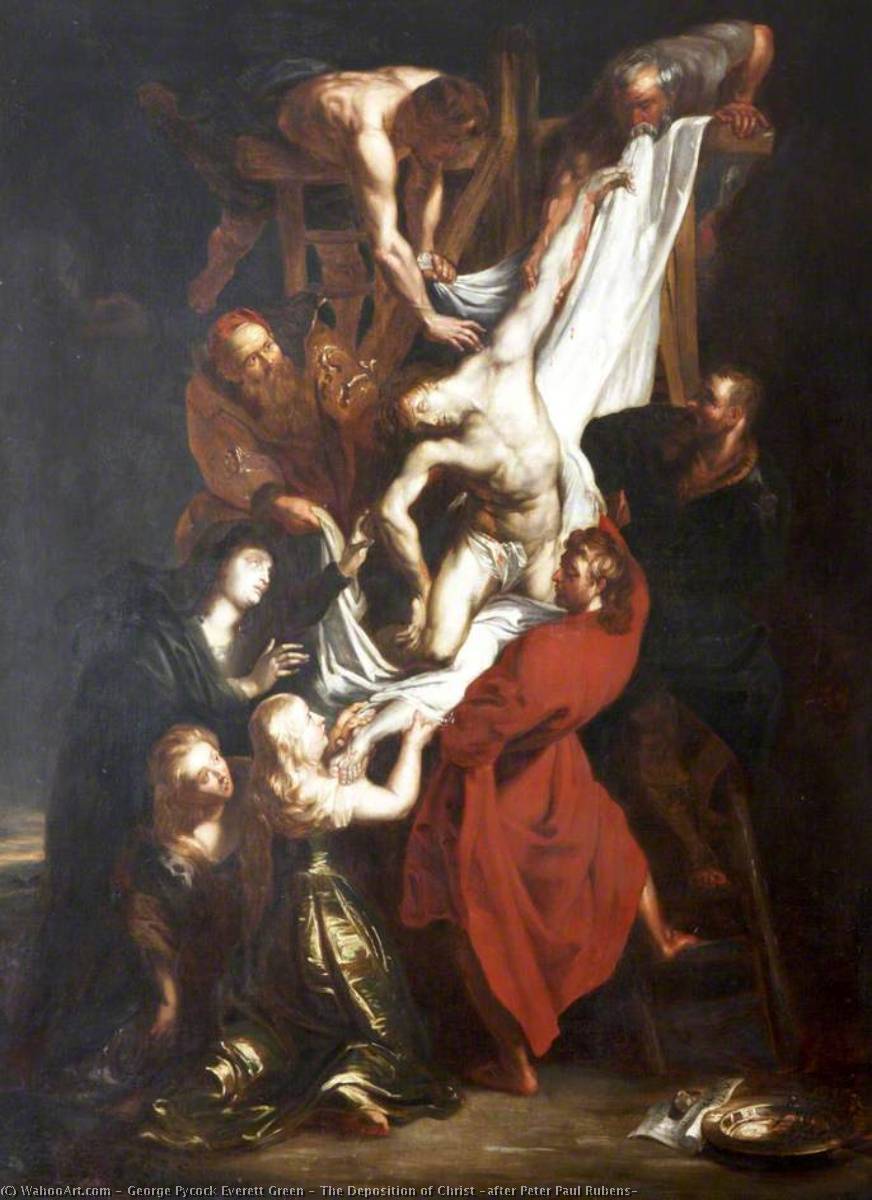
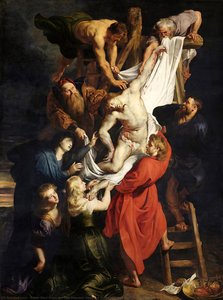
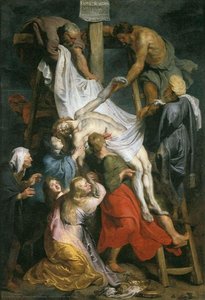
The Deposition of Christ (after Peter Paul Rubens)


 Read More
Purchase a high-resolution, enhanced digital image, far superior to the online preview.
Each file is meticulously prepared by our in-house specialists using advanced tools and expert manual retouching. We ensure every image has exceptional clarity, precise color accuracy, and fine detail.
The final file is delivered via email within 72 hours, optimized for immediate use in professional, editorial, and print environments. This is the same quality trusted by top-tier design studios, publishers, and galleries.
Digital Image
Download a high-resolution file for personal display, printing, and creative projects. ( Buy Print Buy Hand Made Painting)
Included in Every Digital Image Order
Expert Digital Delivery, Guaranteed
When you choose ArtsDot.com, you're not just getting an image - you're receiving a professionally enhanced digital artwork, crafted with precision and backed by a satisfaction guarantee. Here's everything that comes with your order, automatically:

Fast Email Delivery
Your high-resolution digital image file will be emailed to you within 72 hours of ordering - ready for immediate use.

AI-Enhanced Digital File
Your artwork is professionally optimized using advanced AI tools and manual editing, ensuring maximum detail, clarity, and color accuracy.

Free Lifetime Re-Delivery
Accidentally deleted or lost your file? No worries - we'll resend it to you anytime, free of charge.

No Import Fees - Ever
Enjoy your artwork instantly with zero customs, duties, or delivery fees - digital downloads are always tax-free.

Color Accuracy Guarantee
We ensure your digital image reflects the original colors as closely as possible using professional tools and color management.

60-Day Satisfaction Guarantee
If you're not satisfied with your digital image, we'll revise it or refund 100% within 60 days - no questions asked.

100% Money-Back Guarantee
Not satisfied? Get a full refund within 60 days of receiving your digital file - no questions asked.

Bulk Order Discounts
Buy 3 images, save 10% - Buy 5, save 15% - Buy 10+, save 20%. Great for creative projects, galleries, and agencies.
Related Artworks
Artist Biography
George Pycock Everett Green (c.1811–1893): A Pioneer of Medical Illustration
George Pycock Everett Green, born around 1811 in Newcastle upon Tyne, Northumberland, England, stands as a remarkable figure within the annals of Victorian art history—specifically recognized for his groundbreaking contributions to medical illustration and anatomical studies. Though overshadowed by contemporaries like William Henry Haydon and Joseph Noel Paton, Green’s meticulous depictions of surgical procedures and anatomical specimens cemented his place as one of Britain's foremost artists dedicated to disseminating scientific knowledge through visual representation.- Early Life & Education: Little is known definitively about Green’s formative years beyond documented records indicating he received a classical education at Newcastle Grammar School, equipping him with foundational skills in drawing and painting.
- Career Beginnings: Following his studies, Green pursued artistic endeavors primarily as a portrait painter, establishing himself in Newcastle and gaining commissions from prominent local families. His portraits showcased an impressive command of realism and sensitivity to capturing the character of his subjects.
- The Anatomy Plates: His anatomical drawings—particularly those depicting the thorax and abdomen—became celebrated for their accuracy and clarity. Green painstakingly dissected cadavers, meticulously documenting every muscle, bone, and organ with painstaking detail. These plates served as a cornerstone of surgical education for decades to come.
- Collaboration & Influence: Green collaborated extensively with prominent surgeons like Sir Henry Charlton Bastian and William Hunter, fostering a dialogue between art and science that was uncommon during the Victorian era. His illustrations profoundly impacted the visual language of medicine, establishing standards of anatomical depiction that continue to inform medical textbooks today.
- Notable Achievements: Beyond his anatomical plates, Green produced numerous watercolor landscapes and genre scenes—demonstrating versatility within his artistic repertoire. However, it is his contribution to medical illustration that secures his legacy as an artist who bridged the gap between art and science.
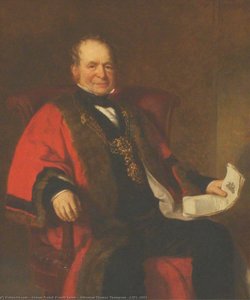
george pycock everett green
1856 - 1932
Quick Facts
- Artistic Movement Or Style: Historical Illustration
- Artists Or Movements Influenced By This Artist: ['Victorian Art']
- Artists Who Influenced This Artist: ['William Powell Frith']
- Date Of Death: 1932
- Full Name: George Pycock Everett Green
- Nationality: British
- Notable Artworks: ['St Georges Hospital Portrait']
- Place Of Birth: London, England

