

 Preview
 Send
Send Share
Share
 Details

 Download
 Similars
 X-Ray
X-Ray Diaporama
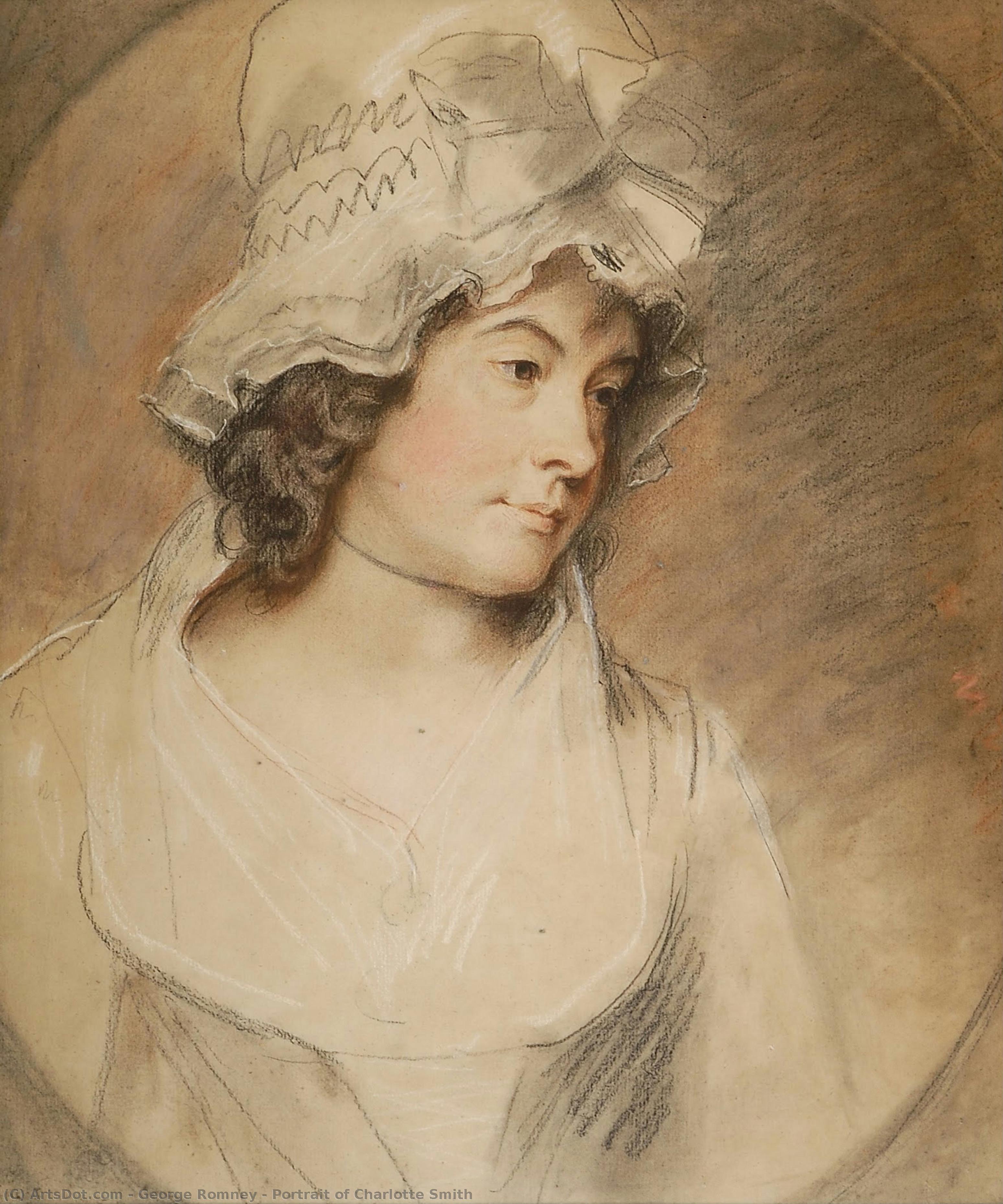
Portrait of Charlotte Smith


 Read More
Purchase a high-resolution, enhanced digital image, far superior to the online preview.
Each file is meticulously prepared by our in-house specialists using advanced tools and expert manual retouching. We ensure every image has exceptional clarity, precise color accuracy, and fine detail.
The final file is delivered via email within 72 hours, optimized for immediate use in professional, editorial, and print environments. This is the same quality trusted by top-tier design studios, publishers, and galleries.
Digital Image
Download a high-resolution file for personal display, printing, and creative projects. ( Buy Print Buy Hand Made Painting)
Included in Every Digital Image Order
Expert Digital Delivery, Guaranteed
When you choose ArtsDot.com, you're not just getting an image - you're receiving a professionally enhanced digital artwork, crafted with precision and backed by a satisfaction guarantee. Here's everything that comes with your order, automatically:

Fast Email Delivery
Your high-resolution digital image file will be emailed to you within 72 hours of ordering - ready for immediate use.

AI-Enhanced Digital File
Your artwork is professionally optimized using advanced AI tools and manual editing, ensuring maximum detail, clarity, and color accuracy.

Free Lifetime Re-Delivery
Accidentally deleted or lost your file? No worries - we'll resend it to you anytime, free of charge.

No Import Fees - Ever
Enjoy your artwork instantly with zero customs, duties, or delivery fees - digital downloads are always tax-free.

Color Accuracy Guarantee
We ensure your digital image reflects the original colors as closely as possible using professional tools and color management.

60-Day Satisfaction Guarantee
If you're not satisfied with your digital image, we'll revise it or refund 100% within 60 days - no questions asked.

100% Money-Back Guarantee
Not satisfied? Get a full refund within 60 days of receiving your digital file - no questions asked.

Bulk Order Discounts
Buy 3 images, save 10% - Buy 5, save 15% - Buy 10+, save 20%. Great for creative projects, galleries, and agencies.
Collectible Description
A Portrait of Romantic Sentiment: Charlotte Smith by George Romney
The canvas before you presents more than just a likeness; it’s a carefully constructed tableau of the late 18th century, capturing the essence of a celebrated poet and novelist within the refined atmosphere of Georgian society. This portrait of Charlotte Smith, painted by the masterful George Romney around 1792, is a testament to his skill in portraying both outward appearance and subtle inner character – a hallmark of his most enduring works. It’s a piece that invites contemplation, revealing layers of social context, artistic technique, and the quiet dignity of its subject.
Romney, a leading figure in London's art scene during this period, was renowned for his ability to render the fashionable elite with remarkable accuracy and an underlying sense of psychological depth. He moved beyond mere likeness, striving instead to capture the spirit of his sitters – their personalities, social standing, and even their moods. In Smith’s case, he has achieved precisely this, presenting her not as a static subject but as a woman engaged in thought, her gaze directed outwards with an expression that suggests both intelligence and a hint of melancholy. The composition is deliberately restrained; Romney avoids excessive ornamentation or dramatic gestures, focusing instead on the quiet power of her presence.
The Art of Pastel and the Georgian Portrait
Romney’s choice of medium – pastel on paper – is crucial to understanding the portrait's unique character. Pastel offered a remarkable degree of subtlety and nuance, allowing him to build up layers of tone and color with astonishing precision. This technique was particularly well-suited for capturing the delicate textures of Smith’s gown, the sheen of her hair, and the subtle play of light on her face. The soft, hazy quality of the pastel lends a dreamlike atmosphere to the portrait, enhancing its emotional resonance. Furthermore, this style was popular during the Georgian era, reflecting a shift away from the heavier oils favored by earlier generations of portrait painters.
The composition itself adheres closely to established conventions of the Georgian portraiture. Smith is positioned in a three-quarter view, her body turned slightly towards the viewer, creating an immediate connection. The arrangement of her hands – one resting gracefully on a book, the other supporting her chin – subtly communicates her intellectual pursuits and contemplative nature. Romney’s masterful use of light and shadow further emphasizes these details, drawing attention to Smith's face and hands while maintaining a sense of atmospheric depth.
A Woman of Letters: Context and Symbolism
Charlotte Smith was a significant figure in the Romantic literary movement, celebrated for her novels and particularly her elegiac sonnets. Her work explored themes of love, loss, nature, and social critique, often imbued with a strong sense of emotion and personal experience. Romney’s portrait reflects this intellectual and emotional depth, suggesting that she is not merely a fashionable lady but a woman of considerable wit and sensibility. The book in her hands – likely one of her own works – symbolizes her dedication to literature and her role as a writer.
The setting within the room—a glimpse of a luxurious interior—hints at Smith’s social standing and the comforts afforded by her literary success. It's a space that speaks to her position within Georgian society, yet Romney subtly resists portraying her as overly opulent or extravagant. The focus remains firmly on her character and intellect, rather than on material possessions.
A Timeless Portrait of Quiet Strength
Ultimately, this portrait of Charlotte Smith by George Romney transcends the conventions of its time. It’s a deeply affecting image that captures not only the outward appearance of a prominent woman but also the quiet strength and intellectual curiosity that defined her life and work. The delicate pastel technique, combined with Romney's masterful composition and psychological insight, creates a portrait that continues to resonate with viewers today – a testament to the enduring power of art to capture both beauty and character.
Related Artworks
Artist Biography
A Life in Portraiture: The World of George Romney
Born in the picturesque landscape of Dalton-in-Furness, Lancashire, on December 15th, 1734, George Romney ascended to become one of the most sought-after portrait painters of his era. His journey from a cabinet maker’s son to the favored artist of British high society is a compelling narrative of innate talent and unwavering ambition. Early life offered little indication of the artistic path he would forge; initially apprenticed to his father, it was an inherent inclination towards drawing and craftsmanship that led him to Christopher Steele, a local portraitist who had studied in Paris. This apprenticeship proved pivotal, providing Romney with foundational skills and an introduction to European artistic traditions. He quickly surpassed his master, however, demonstrating a precocious talent demanding further cultivation. A brief, unhappy marriage and subsequent separation propelled him towards London in 1762, a city brimming with opportunity but also fierce competition.Establishing a Reputation: Style and Technique
London proved to be a crucible for Romney’s artistic development. He swiftly established himself as a formidable portraitist, challenging the dominance of artists like Thomas Gainsborough and Sir Joshua Reynolds. While he never sought membership in the Royal Academy – a decision that perhaps limited his access to certain patronage – his success was undeniable. Romney's style evolved over time, initially reflecting the influence of Steele and his Parisian training, but soon blossomed into something distinctly his own. He possessed an exceptional ability to capture not merely the likeness, but also the personality and social standing of his sitters. His portraits are characterized by elegant poses, a refined use of light and shadow, and a subtle psychological insight that set him apart. Romney’s technique was marked by a delicate touch and a preference for flowing lines, often drawing inspiration from classical sculpture. He skillfully employed color to convey texture and depth, creating portraits that were both visually striking and emotionally resonant. His ability to flatter his subjects while maintaining artistic integrity earned him the loyalty of an elite clientele. He understood the power of suggestion, hinting at character rather than explicitly defining it, a quality that appealed to those who valued discretion and refinement.The Muse and Her Influence: Emma Hamilton
Romney’s life took a dramatic turn with his encounter with Emma Hart, later known as Lady Hamilton, in 1782. She became not only his most celebrated model but also his muse, profoundly influencing his artistic output. Emma's beauty, intelligence, and theatrical flair captivated Romney, inspiring a series of portraits that explored themes of classical mythology, dramatic narrative, and feminine grace. He depicted her in various roles – as a spinner, as the tragic Miranda from Shakespeare’s *The Tempest*, and in numerous allegorical scenes that showcased her expressive range. These works demonstrate Romney's willingness to experiment with composition and symbolism, moving beyond conventional portraiture into more imaginative territory. The Tempest series, in particular, reveals a Romantic sensibility at play, anticipating the emotional intensity of later artists. The relationship was intense and all-consuming for Romney, though ultimately unfulfilled romantically; Emma eventually became the mistress of Lord Nelson, a union that cemented her place in history. Nevertheless, their artistic collaboration left an indelible mark on both their lives and produced some of Romney’s most enduring masterpieces. It is said he painted over 80 portraits of her, each revealing a different facet of her captivating personality.Legacy and Historical Significance
George Romney's impact on British portraiture is undeniable. He helped shape the aesthetic sensibilities of the late 18th century, contributing to a style that emphasized elegance, psychological depth, and artistic flair. His portraits offer invaluable insights into the lives and tastes of the British elite during his time, providing a visual record of their social customs, fashion, and intellectual pursuits. While he faced periods of self-doubt and struggled with mental health issues in later life – leading to a decline in productivity before his death in Kendal in 1802 – his legacy endures through the hundreds of paintings and drawings that remain as testaments to his skill. His work continues to be admired for its technical brilliance and emotional resonance. Romney’s influence can be seen in the portraits of subsequent generations of British artists. The enduring fascination with his relationship with Emma Hamilton adds another layer of intrigue to his story. He remains a significant figure in the history of art, a master portraitist who captured the spirit of an age and left behind a body of work that continues to captivate and inspire. Romney’s portraits are not merely representations of individuals; they are windows into a vanished world.
George Romney
1734 - 1802 , United Kingdom
Quick Facts
- Artistic Movement Or Style: Portraiture, Romanticism
- Artists Or Movements Influenced By This Artist: ['British portraitists']
- Artists Who Influenced This Artist:
- Christopher Steele
- Carle Vanloo
- Raphael
- Titian
- Correggio
- Date Of Birth: Dec 15, 1734
- Date Of Death: Nov 15, 1802
- Full Name: George Romney
- Nationality: British
- Notable Artworks:
- Peter and James Romney
- Portrait of G. Cowper
- The Death of General Wolfe
- Mrs. Carwardine & Son
- Place Of Birth: Dalton-in-Furness, UK

