

 Preview
 Send
Send Share
Share
 Details

 Download
 Similars
 X-Ray
X-Ray Diaporama
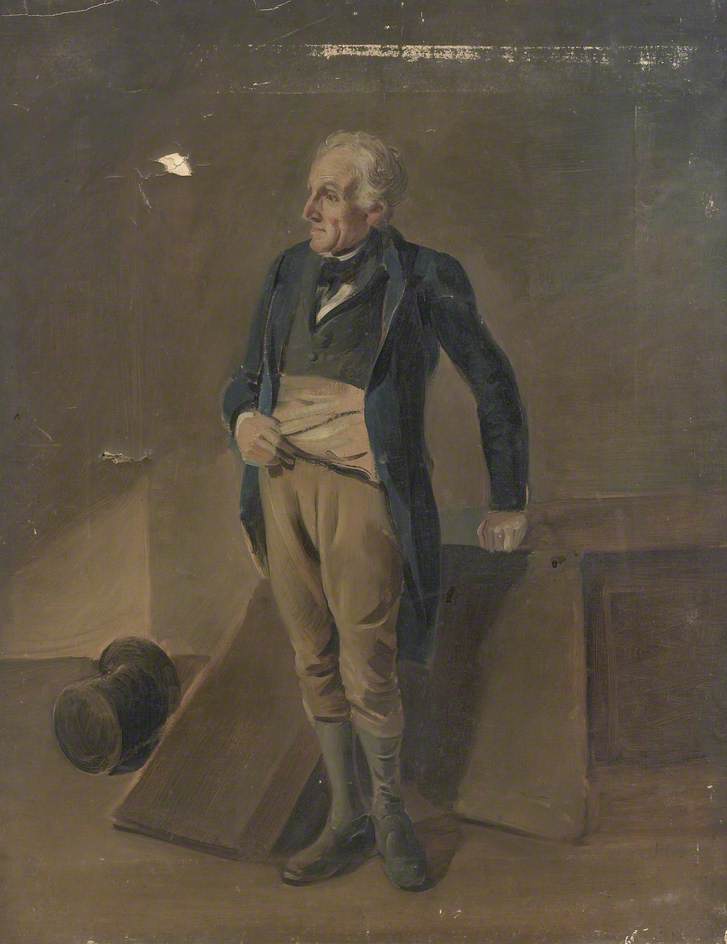
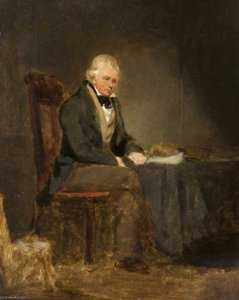
Interior Portrait of a Man
 1850
1850 65.0 x 50.0 cm
 Read More
Purchase a high-resolution, enhanced digital image, far superior to the online preview.
Each file is meticulously prepared by our in-house specialists using advanced tools and expert manual retouching. We ensure every image has exceptional clarity, precise color accuracy, and fine detail.
The final file is delivered via email within 72 hours, optimized for immediate use in professional, editorial, and print environments. This is the same quality trusted by top-tier design studios, publishers, and galleries.
Digital Image
Download a high-resolution file for personal display, printing, and creative projects. ( Buy Print Buy Hand Made Painting)
Included in Every Digital Image Order
Expert Digital Delivery, Guaranteed
When you choose ArtsDot.com, you're not just getting an image - you're receiving a professionally enhanced digital artwork, crafted with precision and backed by a satisfaction guarantee. Here's everything that comes with your order, automatically:

Fast Email Delivery
Your high-resolution digital image file will be emailed to you within 72 hours of ordering - ready for immediate use.

AI-Enhanced Digital File
Your artwork is professionally optimized using advanced AI tools and manual editing, ensuring maximum detail, clarity, and color accuracy.

Free Lifetime Re-Delivery
Accidentally deleted or lost your file? No worries - we'll resend it to you anytime, free of charge.

No Import Fees - Ever
Enjoy your artwork instantly with zero customs, duties, or delivery fees - digital downloads are always tax-free.

Color Accuracy Guarantee
We ensure your digital image reflects the original colors as closely as possible using professional tools and color management.

60-Day Satisfaction Guarantee
If you're not satisfied with your digital image, we'll revise it or refund 100% within 60 days - no questions asked.

100% Money-Back Guarantee
Not satisfied? Get a full refund within 60 days of receiving your digital file - no questions asked.

Bulk Order Discounts
Buy 3 images, save 10% - Buy 5, save 15% - Buy 10+, save 20%. Great for creative projects, galleries, and agencies.
Related Artworks
Artist Biography
George Sheffield Senior: A Shepherd of the Pennines
George Sheffield Senior (1839-1892) wasn’t a name that echoed through grand galleries during his lifetime, yet his serene landscapes and quietly dignified portraits have steadily gained recognition as embodying a crucial shift in British art. Born in Wigton, Cumberland, into a family with artistic roots – his uncle, George Sheffield, had cultivated a modest reputation as a portraitist – young George initially sought adventure at sea before finding his true calling amidst the rolling hills of Yorkshire. His work isn’t characterized by dramatic flourishes or revolutionary techniques; instead, it possesses a remarkable stillness, a deep connection to the land and its inhabitants that speaks volumes about the Victorian era's evolving relationship with nature.
Sheffield’s early training was largely informal, learning from his uncle and William Henry Hoodless in Warrington. This foundational period instilled in him an appreciation for detail and observation, skills he would later hone through years of diligent practice. He initially experimented with marine subjects, but a shift occurred – a yearning to capture the essence of the Pennine countryside began to dominate his artistic focus. His move to Manchester marked a turning point, allowing him access to art schools and a burgeoning urban environment that simultaneously fueled his creativity and exposed him to new influences. It’s important to note that Sheffield's career unfolded during a period of significant social and economic change in Britain; the Industrial Revolution was reshaping the nation, and artists were grappling with how to represent this rapidly transforming world.
The Pastoral Ideal and Monochrome Mastery
Sheffield’s artistic style is inextricably linked to the rise of the “pastoral” genre in British art. This movement, gaining momentum throughout the mid-19th century, sought to idealize rural life – a romanticized vision of simple farming communities, idyllic landscapes, and harmonious relationships between humans and nature. Unlike the grand, heroic narratives favored by earlier Romantic painters, the pastoral emphasized tranquility, contemplation, and a sense of connection to the earth. Sheffield expertly captured this mood through his masterful use of monochrome, primarily sepia tones. This technique wasn’t merely a stylistic choice; it served to heighten the emotional impact of his scenes, lending them an air of timelessness and solemnity.
His ability to render subtle variations in light and shadow – capturing the misty mornings, the dappled sunlight filtering through trees, and the muted colors of the Pennine hills – is truly remarkable. He wasn’t interested in replicating reality with photographic precision; rather, he aimed to evoke a feeling, a mood, an atmosphere. His compositions are often carefully constructed, drawing the eye towards focal points – perhaps a solitary shepherd tending his flock, or a weathered farmhouse nestled amongst the fields. These details, rendered with meticulous care, contribute to the overall sense of quiet dignity and understated beauty that characterizes his work.
Subjects and Symbolism
Sheffield’s subjects were predominantly rural: shepherds, farmers, laborers, and their families. He frequently depicted scenes of everyday life – harvesting crops, tending livestock, or simply resting after a long day's toil. However, beneath the surface of these seemingly simple scenes lies a deeper layer of symbolism. His paintings often carry subtle commentaries on social issues, reflecting the challenges faced by rural communities during a period of economic hardship and social upheaval. The solitary figures in his landscapes can be interpreted as emblems of resilience, endurance, and connection to the land.
Furthermore, Sheffield’s work frequently incorporates classical motifs – references to Greek and Roman mythology and art – subtly woven into the fabric of his pastoral scenes. A shepherd might resemble a figure from a classical frieze, or a landscape could evoke the idealized settings depicted in ancient frescoes. These allusions suggest that Sheffield was drawing upon a rich artistic tradition, seeking to elevate his work beyond mere representation and imbue it with a sense of timeless beauty and moral significance.
Legacy and Recognition
During his lifetime, George Sheffield Senior enjoyed modest recognition within the art world, primarily through membership in various art societies and exhibitions. However, it wasn’t until after his death that his work began to receive wider critical acclaim. In recent decades, scholars have increasingly recognized Sheffield as a key figure in the development of British pastoral painting, highlighting his unique contribution to the genre's evolution. His meticulous attention to detail, masterful use of monochrome, and subtle symbolic language continue to resonate with viewers today.
His paintings are now housed in several important collections, including the Manchester City Art Gallery and private collections across England. Sheffield’s legacy extends beyond his individual works; he represents a pivotal moment in British art history – a time when artists were grappling with new ways of representing the world around them, seeking to capture not just the appearance of reality but also its deeper meaning and emotional resonance. His quiet landscapes remain a testament to the enduring power of observation, skill, and artistic vision.
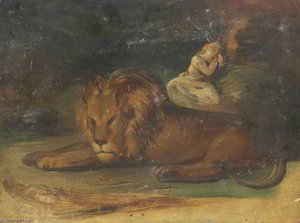
george sheffield senior
1800 - 1852
Quick Facts
- Artistic Movement Or Style: Pastoral Painting
- Artists Or Movements Influenced By This Artist: ['Romantic Landscape Art']
- Artists Who Influenced This Artist: ['George Barret the Elder']
- Date Of Birth: 1839
- Date Of Death: 1852
- Full Name: George Sheffield Senior
- Nationality: British
- Notable Artworks:
- Lion and a Female Figure
- Pastoral Landscape
- Self Portrait
- Place Of Birth: Wigton, Cumberland

