

 Preview
 Send
Send Share
Share
 Details

 Download
 Similars
 X-Ray
X-Ray Diaporama
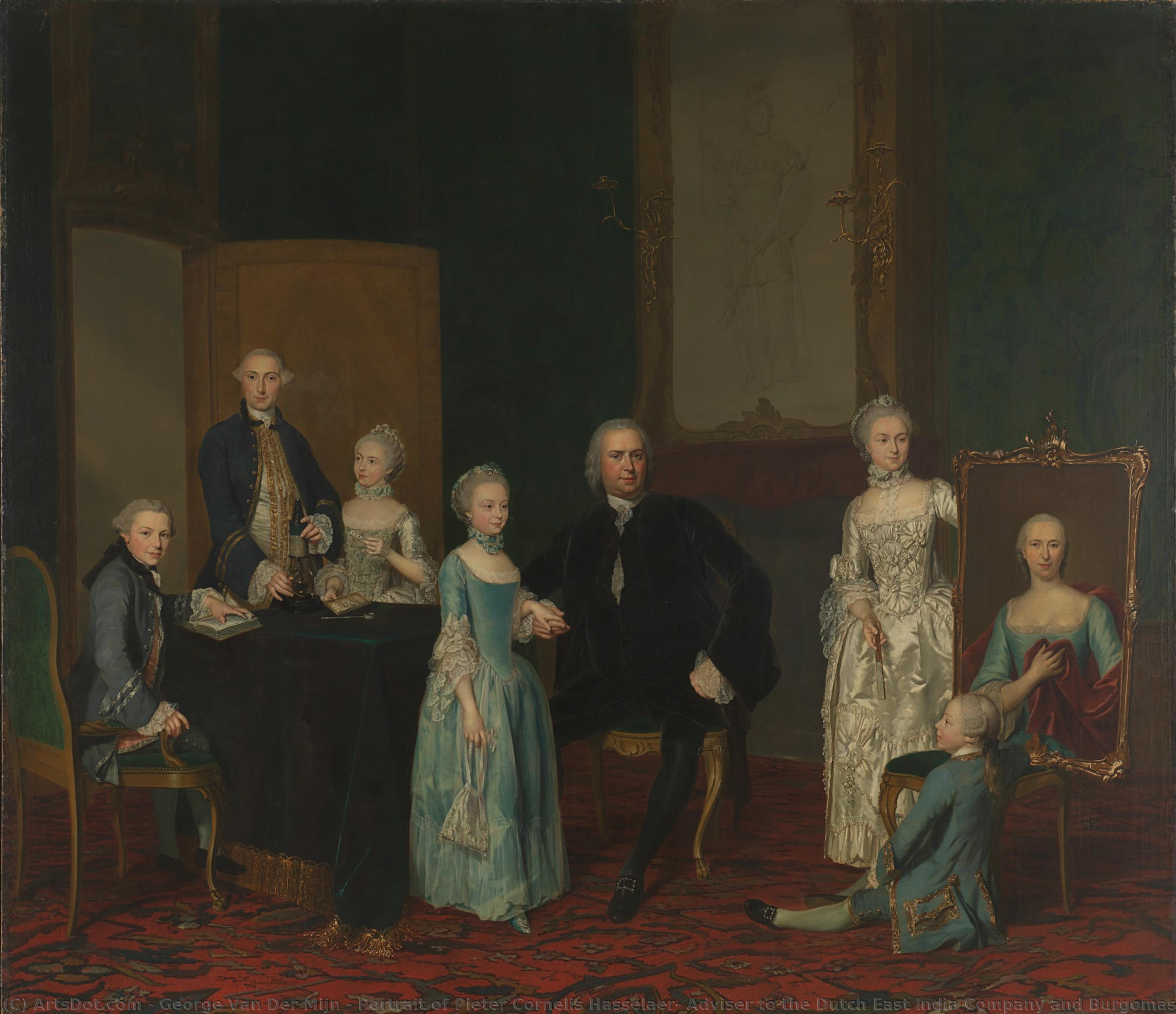
Portrait of Pieter Cornelis Hasselaer, Adviser to the Dutch East India Company and Burgomaster of Amsterdam, with his Family, George van der Mijn, 1763
 1763
1763 248.0 x 285.0 cm
 Read More
Purchase a high-resolution, enhanced digital image, far superior to the online preview.
Each file is meticulously prepared by our in-house specialists using advanced tools and expert manual retouching. We ensure every image has exceptional clarity, precise color accuracy, and fine detail.
The final file is delivered via email within 72 hours, optimized for immediate use in professional, editorial, and print environments. This is the same quality trusted by top-tier design studios, publishers, and galleries.
Digital Image
Download a high-resolution file for personal display, printing, and creative projects. ( Buy Print Buy Hand Made Painting)
Included in Every Digital Image Order
Expert Digital Delivery, Guaranteed
When you choose ArtsDot.com, you're not just getting an image - you're receiving a professionally enhanced digital artwork, crafted with precision and backed by a satisfaction guarantee. Here's everything that comes with your order, automatically:

Fast Email Delivery
Your high-resolution digital image file will be emailed to you within 72 hours of ordering - ready for immediate use.

AI-Enhanced Digital File
Your artwork is professionally optimized using advanced AI tools and manual editing, ensuring maximum detail, clarity, and color accuracy.

Free Lifetime Re-Delivery
Accidentally deleted or lost your file? No worries - we'll resend it to you anytime, free of charge.

No Import Fees - Ever
Enjoy your artwork instantly with zero customs, duties, or delivery fees - digital downloads are always tax-free.

Color Accuracy Guarantee
We ensure your digital image reflects the original colors as closely as possible using professional tools and color management.

60-Day Satisfaction Guarantee
If you're not satisfied with your digital image, we'll revise it or refund 100% within 60 days - no questions asked.

100% Money-Back Guarantee
Not satisfied? Get a full refund within 60 days of receiving your digital file - no questions asked.

Bulk Order Discounts
Buy 3 images, save 10% - Buy 5, save 15% - Buy 10+, save 20%. Great for creative projects, galleries, and agencies.
Related Artworks







Artist Biography
A Life Painted in Elegance: George van der Mijn and the Rococo Portrait
George van der Mijn, a name perhaps less instantly recognizable than some of his contemporaries, nevertheless occupies a fascinating niche within 18th-century portraiture. Born in London around 1725 – sources vary slightly on the exact year – he was steeped in an artistic atmosphere from birth. His father, Herman van der Mijn, had emigrated from the Dutch Republic to England seeking patronage, establishing himself as a respected painter of portraits and still lifes. This familial foundation proved crucial; George wasn’t merely inheriting a profession but a lineage of skilled artists, including his brothers Robert and Frans, and sister Cornelia, all contributing to a vibrant creative milieu. The early years in London provided a grounding in English artistic traditions, yet the family's Dutch roots would exert a powerful influence on George’s developing style. He was part of a large family with many talented painters, as described by Johan van Gool, who noted their collective skill and dedication to their craft.From England to Amsterdam: A Refined Style Emerges
Around the mid-1740s, Van der Mijn relocated to Amsterdam, a pivotal move that shaped his artistic trajectory. It was here he began to cultivate a distinctive style – elegant, refined, and attuned to the sensibilities of the burgeoning Rococo movement. He quickly found favor among the Dutch bourgeoisie, capturing their poise and fashion with remarkable sensitivity. Unlike some of his contemporaries who favored grand, imposing portraits, Van der Mijn specialized in smaller-scale works, often executed in oil but increasingly experimenting with pastel techniques – a relatively new medium in the Netherlands at the time. This embrace of pastel contributed to the delicate luminosity and intimate quality that characterize his paintings. His work wasn’t simply about likeness; it was about conveying status, taste, and a certain *joie de vivre*. He became known for capturing not just what people looked like but how they wished to be seen, reflecting the social aspirations of his sitters.The Influence of Family and International Trends
Van der Mijn’s artistic development wasn't solely a product of his own exploration; it was deeply intertwined with the legacy of his family and the broader currents of European art. His father, Herman, provided initial training, instilling a solid technical foundation. However, George also absorbed influences from French Rococo painters like François Boucher and Jean-Antoine Watteau, whose emphasis on grace, elegance, and idyllic scenes resonated with Dutch tastes. His brother Frans van der Mijn, also a successful artist, further contributed to the family’s artistic dialogue. The interplay between English training, Dutch traditions, and international trends resulted in a unique synthesis – a style that was both sophisticated and accessible. He wasn't merely copying existing styles but adapting them to suit the specific context of Dutch society.Portraits as Social Commentary: Capturing an Era
Van der Mijn’s portraits offer more than just visual representations; they serve as compelling social commentaries on 18th-century life. His subjects, often members of prosperous merchant families or individuals connected to the Dutch East India Company, are depicted in settings that subtly reveal their wealth and status. The portrait of Pieter Cornelis Hasselaer with his family (1763), for example, showcases not only the sitter’s affluence but also the importance placed on familial connections and social standing. Similarly, Portrait of Louis Métayer Phz., a goldsmith and art collector (1759), highlights the growing patronage of the arts among the Dutch middle class. These paintings weren't simply decorative; they were statements about identity, ambition, and belonging. His skill in capturing textures – silks, velvets, lace – further emphasized the material comforts enjoyed by his sitters.A Legacy Cut Short: Historical Significance
Tragically, George van der Mijn’s career was relatively short-lived. He died in Amsterdam in 1763 at the young age of 36 or 37, leaving behind a body of work that, while not extensive, is nonetheless significant. His paintings are now held in prominent collections such as the Mauritshuis and the Rijksmuseum, testament to their enduring quality and historical importance. He bridged English and Dutch artistic circles, introducing Rococo influences to the Netherlands and contributing to the development of a uniquely Dutch portrait style. While his life was brief, George van der Mijn left an indelible mark on 18th-century art, remembered for his elegant depictions of prominent figures and families, and his refined technique that captured the spirit of an era.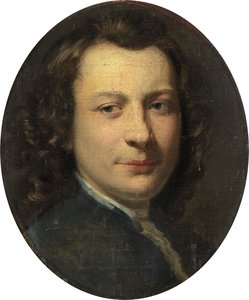
george van der mijn
1725 - 1763 , United Kingdom
Quick Facts
- Artistic Movement Or Style: Rococo portraiture
- Date Of Birth: 1725
- Date Of Death: 1763
- Full Name: George van der Mijn
- Nationality: British
- Notable Artworks:
- Portrait of P.C. Hasselaer
- Portrait of L. Métayer Phz.
- Portrait of G. van der Myn
- Place Of Birth: London, UK

