 Preview
 Send
Send Share
Share
 Details

 Download
 Similars
 X-Ray
X-Ray Diaporama
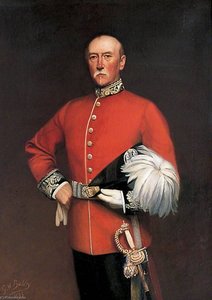
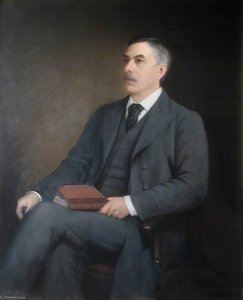
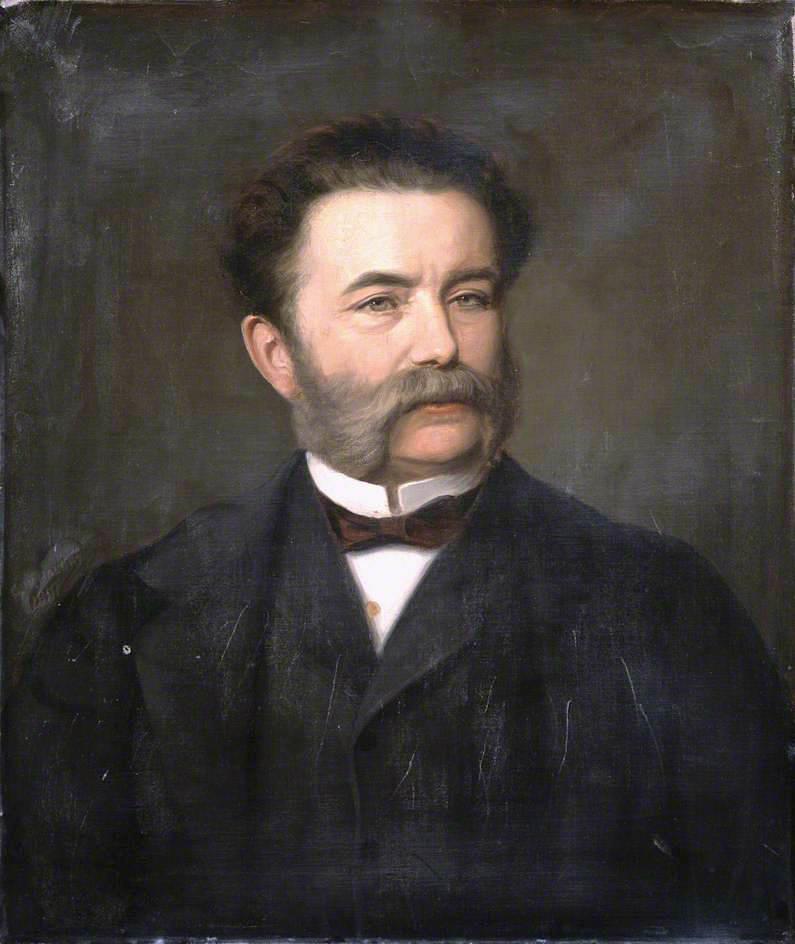
General Sir Frederick William Hamilton, KCB
 1881
1881 66.0 x 56.0 cm
 Read More
Hand Made Oil Reproduction
Hand-painted oil on canvas in your size and frame, made to order by our artists. ( Buy Print Buy Image)




































Pick from our preset sizes that match the artwork's original proportions.

You may enter your own dimensions to fit a specific frame or space. If your selected size does not match the original image's proportions, we will either crop the artwork or extend the painting with additional hand-painted elements. A digital mockup will be sent for your approval before production begins.
Please note that the on-screen preview does not reflect the actual cropping or extension. Only the mockup will accurately show the final composition.
While custom sizes are available, we recommend selecting a dimension from the predefined list to preserve the original proportions.
After order, ArtsDot.com team will email client for instructions and provide a mockup preview
Worldwide Delivery () in 3/4 weeks instead of standard 5 weeks. (24 August). No compromise on quality.

Free Worldwide Express Shipping

High-Quality Linen Canvas

Full Shipping Insurance

Customs Tax Refund Guarantee

True Color Matching Guarantee

60-Day Return Policy (Defects Only)

100% Money-Back Guarantee

Bulk Discount Offer
 Glass option is only available in size under 110 CM

General Sir Frederick William Hamilton, KCB
Reproduction Medium
Reproduction Size
-


Total Price
$ 263
Related Artworks








Artist Biography
The Master of Victorian Character: The Life and Legacy of George W Baldry
In the golden age of Victorian portraiture, few artists captured the quiet dignity and social gravity of the era as effectively as George W Baldry. Born in 1835 in the scenic coastal town of Helensburgh, Argyllshire, Baldry emerged from the heart of Scotland to become a defining voice in British portrait painting. His life, spanning nearly a century until his death in 1929, mirrored the profound transformations of the nineteenth century, yet his brush remained dedicated to the timeless pursuit of capturing the human essence. Through a career that flourished for over six decades, Baldry did more than merely record faces; he documented the very soul of Scotland’s aristocracy and intelligentsia, weaving a visual tapestry of a vanishing age.
The foundation of Baldry’s technical mastery can be traced back to his formative years in Glasgow. Studying at the prestigious Glasgow School of Art under the guidance of the esteemed John Rowan Murdoch, he immersed himself in the rich traditions of Romanticism. It was here that he began to refine the meticulous techniques of oil painting that would become his hallmark. His training instilled a deep reverence for classical precision, yet it also encouraged an experimental spirit, allowing him to master the delicate interplay of light and shadow. This duality—the ability to maintain rigorous realism while infusing his subjects with a subtle, atmospheric grace—became the cornerstone of his artistic identity.
A Brushwork of Realism and Resonance
To observe a Baldry portrait is to enter a world of profound texture and psychological depth. His style was characterized by an extraordinary level of realism, achieved through the masterful application of glazing techniques and a sophisticated understanding of tonal gradation. He possessed an uncanny ability to render the tactile qualities of his subjects' surroundings—the heavy velvet of a gentleman’s coat, the crispness of a linen collar, or the rugged texture of hunting attire—with such precision that the viewer can almost feel the weight of the fabric. Yet, beneath this technical virtuosity lay a deeper purpose: the pursuit of character.
Baldry’s canvases were never mere superficial likenesses. He sought to capture what he termed the psychological insight of his sitters, using light not just to illuminate form, but to suggest temperament and status. His work often featured:
- Atmospheric Perspective: A soft, enveloping quality that gave his portraits a sense of living space and breath.
- Tonal Mastery: The use of subtle shifts in color to convey the dignity and gravity of the Scottish nobility.
- Narrative Detail: Small, carefully placed elements—such as those seen in his 1884 portrait of John Rowell—that hint at the subject's passions and social standing.
Legacy within the Scottish Canon
The significance of George W Baldry extends far beyond the borders of his native Scotland. As a prolific chronicler of his time, he secured commissions from some of the most influential figures of the Victorian era, including Sir William Hart Dyke, 7th Baronet. His ability to navigate the social hierarchies of the day allowed him to bridge the gap between the landed aristocracy and the rising intellectual class, creating a historical record that is as much sociological as it is artistic. His portraits serve as windows into the social fabric of the nineteenth century, preserving the likenesses of those who shaped the cultural landscape of the United Kingdom.
Today, Baldry’s work remains a testament to the enduring power of portraiture. He stands as a master craftsman whose legacy is defined by a rare combination of technical excellence and emotional intelligence. In an era of rapid change, his paintings offer a sense of permanence, inviting modern viewers to contemplate the faces of the past with the same reverence and curiosity that he brought to his easel during his long and illustrious career.
george w baldry
1835 - 1929
Quick Facts
- Artistic Movement Or Style: Victorian Portraiture
- Artists Or Movements Influenced By This Artist: ['Hudson Lowe']
- Artists Who Influenced This Artist: ['William Holman Hunt']
- Date Of Birth: 1835
- Date Of Death: 1929
- Full Name: George W Baldry
- Nationality: British
- Notable Artworks: ['John Rowell']
- Place Of Birth: Glasgow, Scotland