 Preview
 Send
Send Share
Share
 Details

 Download
 Similars
 X-Ray
X-Ray Diaporama
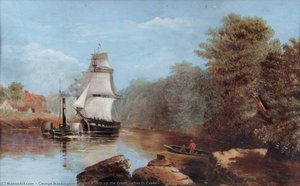
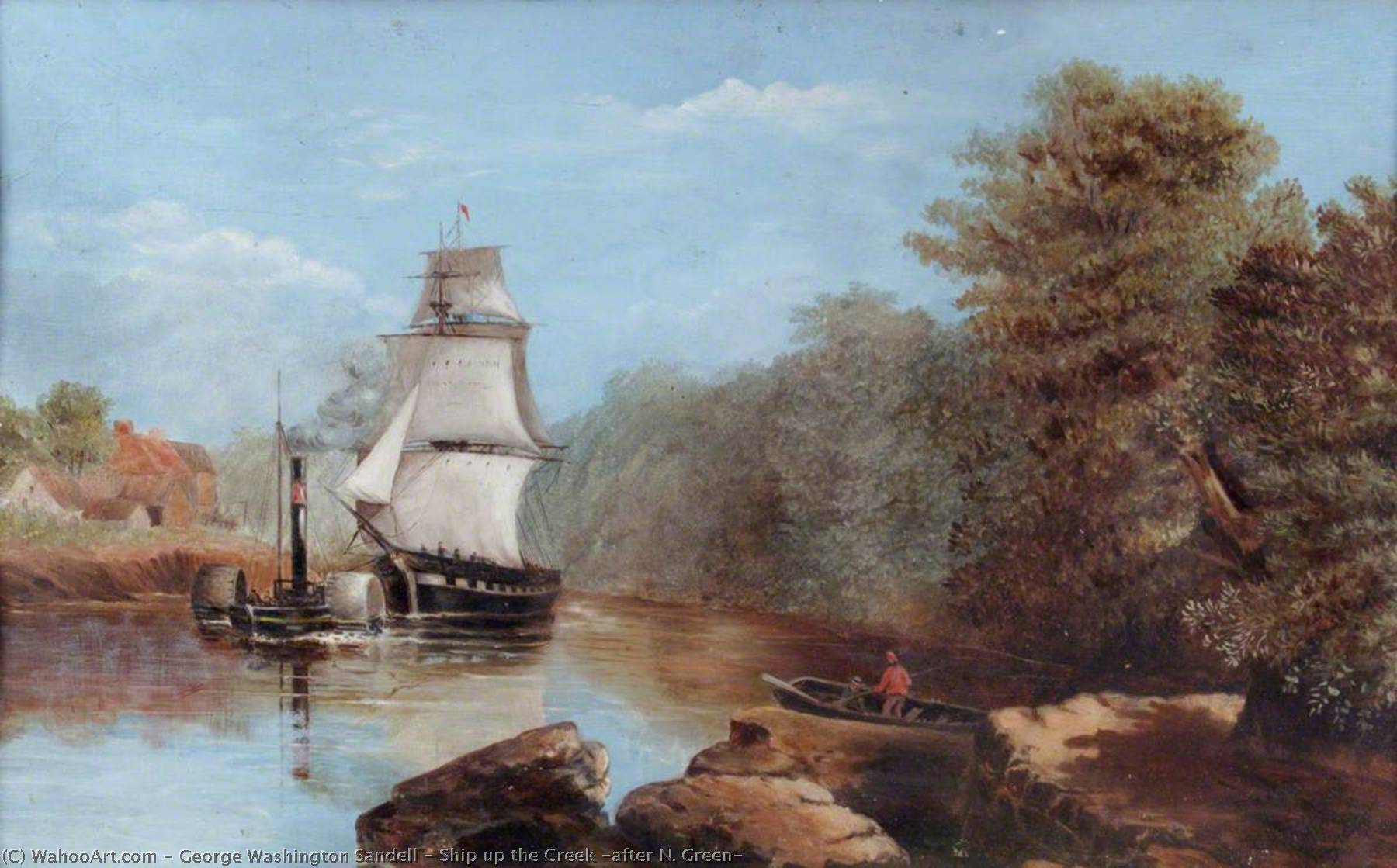
Ship up the Creek (after N. Green)
 1881
1881 28.0 x 47.0 cm
 Read More
Hand Made Oil Reproduction
Hand-painted oil on canvas in your size and frame, made to order by our artists. ( Buy Print Buy Image)




































Pick from our preset sizes that match the artwork's original proportions.

You may enter your own dimensions to fit a specific frame or space. If your selected size does not match the original image's proportions, we will either crop the artwork or extend the painting with additional hand-painted elements. A digital mockup will be sent for your approval before production begins.
Please note that the on-screen preview does not reflect the actual cropping or extension. Only the mockup will accurately show the final composition.
While custom sizes are available, we recommend selecting a dimension from the predefined list to preserve the original proportions.
After order, ArtsDot.com team will email client for instructions and provide a mockup preview
Worldwide Delivery () in 3/4 weeks instead of standard 5 weeks. (1 September). No compromise on quality.

Free Worldwide Express Shipping

High-Quality Linen Canvas

Full Shipping Insurance

Customs Tax Refund Guarantee

True Color Matching Guarantee

60-Day Return Policy (Defects Only)

100% Money-Back Guarantee

Bulk Discount Offer
 Glass option is only available in size under 110 CM

Ship up the Creek (after N. Green)
Reproduction Medium
Reproduction Size
-


Total Price
R$ 1334
Related Artworks










Artist Biography
The Master of Maritime Grandeur
George Washington Sandell stands as a singular figure in the annals of British maritime art, a painter whose brush captured the very soul of the Edwardian era's oceanic ambitions. Born circa 1875 in the bustling port city of Southampton, England, Sandell’s life and work were inextricably linked to the salt air and the rhythmic pulse of the sea. While biographical details of his private life remain somewhat shrouded in a deliberate, understated mystery, his artistic legacy is vibrantly clear. He was an artist who did not merely observe the ocean but sought to translate its immense power and the technological marvels that traversed it into a visual language of light and motion.
The foundations of Sandell’s mastery were laid in the vibrant Victorian milieu of Southampton, where he absorbed the rich artistic currents of his time. His training was particularly distinguished by his connection to a prestigious lineage; he honed his skills under the tutages of William Joseph Turner II, the grandson of the legendary Romantic master J.M.W. Turner. From this mentorship, Sandell inherited a profound understanding of atmospheric perspective and the ability to use expressive brushwork to evoke the sublime. This influence is evident in how he approached the horizon, treating the meeting point of sea and sky not as a static line, but as a living, breathing entity subject to the whims of weather and light.
The Golden Age of the White Star Line
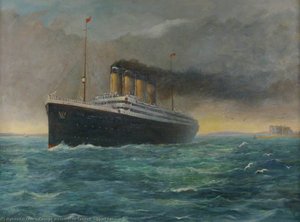
As the twentieth century dawned, Sandell’s artistic trajectory underwent a decisive and fascinating pivot. He became captivated by the burgeoning optimism of the Edwardian age, specifically through the lens of maritime technological advancement. His primary obsession became the magnificent White Star Liners, such as the SS Adriatic and the SS Etruria, as they embarked on their epic voyages between Southampton and Naples. To Sandell, these ships were more than mere vessels; they were symbols of imperial expansion and human ingenuity, cutting through the Mediterranean with a grace that belied their massive steel structures.
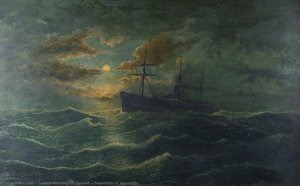
His compositions often prioritized breathtaking panoramic vistas, framing these titans of the sea against expansive, undulating coastlines and dramatic skies. He possessed a remarkable ability to utilize atmospheric haze to heighten visual drama, creating a sense of timeless grandeur that made his subjects feel both monumental and ethereal. Whether depicting the SS Adriatic passing through Cowes Roads or the haunting beauty of a steamship under the silver glow of moonlight, Sandell’s work captures a specific moment in history when the ocean was the world's great highway, filled with both peril and promise.
Technique, Texture, and Lasting Legacy
What truly distinguishes a Sandell original is the tactile, luminous quality of his surfaces. His technique was characterized by a meticulous layering of paint, often employing the ancient method of encaustic wax alongside traditional oils. This approach allowed him to create a depth and textural richness that few of his contemporaries could replicate. The resulting canvases possess a physical presence; one can almost feel the spray of the salt water or the heavy humidity of a coastal afternoon. His brushstrokes remained bold yet controlled, capable of conveying the turbulent, crashing energy of a storm-tossed sea or the serene, glass-like tranquility of a distant shore.
The historical significance of George Washington Sandell lies in his role as a visual chronicler of a vanished era. Through his eyes, we witness the zenith of the transatlantic steamship age. His works serve as more than just beautiful landscapes; they are nostalgic windows into a period of profound transition in human history. Today, his paintings continue to resonate with collectors and maritime enthusiasts alike, offering a window into the coastal dreams and the majestic, iron-clad voyages that once defined the boundaries of the known world.
Quick Facts
- Artistic Movement Or Style: Maritime Art
- Date Of Birth: Living
- Full Name: George Washington Sandell
- Nationality: English
- Notable Artworks: ['SS Adriatic']
- Place Of Birth: Southampton, England