

 Preview
 Send
Send Share
Share
 Details

 Download
 Similars
 X-Ray
X-Ray Diaporama
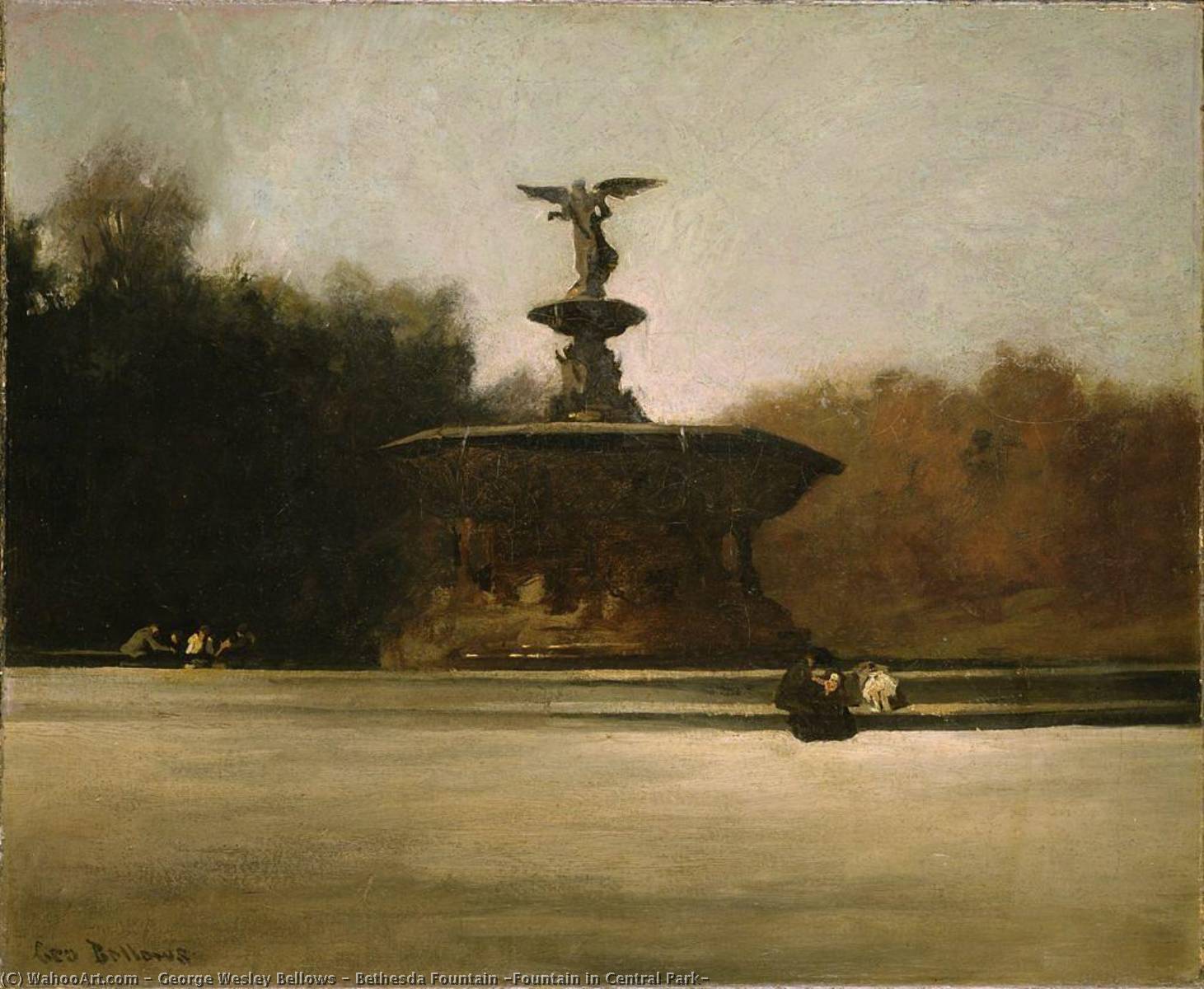
Bethesda Fountain (Fountain in Central Park)
 Ashcan School
 1905
1905- 19th Century
 51.0 x 62.0 cm
 Read More
Purchase a high-resolution, enhanced digital image, far superior to the online preview.
Each file is meticulously prepared by our in-house specialists using advanced tools and expert manual retouching. We ensure every image has exceptional clarity, precise color accuracy, and fine detail.
The final file is delivered via email within 72 hours, optimized for immediate use in professional, editorial, and print environments. This is the same quality trusted by top-tier design studios, publishers, and galleries.
Digital Image
Download a high-resolution file for personal display, printing, and creative projects. ( Buy Print Buy Hand Made Painting)
Included in Every Digital Image Order
Expert Digital Delivery, Guaranteed
When you choose ArtsDot.com, you're not just getting an image - you're receiving a professionally enhanced digital artwork, crafted with precision and backed by a satisfaction guarantee. Here's everything that comes with your order, automatically:

Fast Email Delivery
Your high-resolution digital image file will be emailed to you within 72 hours of ordering - ready for immediate use.

AI-Enhanced Digital File
Your artwork is professionally optimized using advanced AI tools and manual editing, ensuring maximum detail, clarity, and color accuracy.

Free Lifetime Re-Delivery
Accidentally deleted or lost your file? No worries - we'll resend it to you anytime, free of charge.

No Import Fees - Ever
Enjoy your artwork instantly with zero customs, duties, or delivery fees - digital downloads are always tax-free.

Color Accuracy Guarantee
We ensure your digital image reflects the original colors as closely as possible using professional tools and color management.

60-Day Satisfaction Guarantee
If you're not satisfied with your digital image, we'll revise it or refund 100% within 60 days - no questions asked.

100% Money-Back Guarantee
Not satisfied? Get a full refund within 60 days of receiving your digital file - no questions asked.

Bulk Order Discounts
Buy 3 images, save 10% - Buy 5, save 15% - Buy 10+, save 20%. Great for creative projects, galleries, and agencies.
Collectible Description
A Timeless Moment in Monochrome
In this evocative 1905 depiction of the Bethesda Fountain, George Wesley Bellows captures a fleeting moment of serenity amidst the burgeoning energy of New York City. Rendered in a striking black and white palette, the painting transcends simple documentation to become a poetic meditation on urban tranquility. The fountain, a centerpiece of Central Park’s grandeur, rises with architectural dignity, crowned by the ethereal silhouette of an angel that seems to watch over the city's inhabitants. Through the masterful use of light and shadow, Bellows breathes life into the stone, creating a sense of depth that invites the viewer to step directly into this historical snapshot of American life.
The composition is a delicate dance of stillness and motion. While the fountain stands as an eternal monument, the surrounding scene is imbued with the rhythmic pulse of the park. Figures are scattered throughout the landscape, some anchored in quiet contemplation near the water's edge, while others appear as transient shadows in the distance. A particularly captivating detail—a rider on horseback moving through the frame—introduces a dynamic element of movement, breaking the stillness and reminding us of the vibrant, living ecosystem that exists within this urban oasis. This interplay between the permanent and the ephemeral is what gives the work its enduring emotional resonance.
The Mastery of American Realism
As a prominent figure of the Ashcan School, Bellows was renowned for his ability to find beauty in the grit and dynamism of modern life. In this particular piece, we see a more contemplative side of his technique. Eschewing the raw, aggressive brushwork often found in his famous boxing scenes, he employs a refined approach here to capture the subtle textures of the fountain's masonry and the soft atmospheric haze of a New York afternoon. The monochromatic choice is not merely a stylistic limitation but a deliberate artistic tool used to emphasize form, contrast, and the structural elegance of the Bethesda Terrace.
For the discerning collector or interior designer, this artwork offers a sophisticated layer of historical depth to any space. Its neutral tones allow it to integrate seamlessly into diverse decor styles, from classic traditionalism to contemporary minimalism, acting as a window into a bygone era. The painting does more than decorate a wall; it provides a focal point of quiet strength and nostalgic charm. Owning a high-quality reproduction of this work means bringing a piece of New York's soul into one's home—a tribute to the enduring beauty of the city's most iconic landmarks and the masterful eye of an American legend.
Related Artworks
Artist Biography
A Bold Vision of American Life: The World of George Bellows
George Wesley Bellows, a name synonymous with the raw energy and burgeoning modernity of early 20th-century America, emerged as a pivotal figure in realist painting. Born in Columbus, Ohio, on August 12 or 19, 1882, his journey from athletic promise to artistic renown is a testament to the power of passion and unwavering dedication. Even before formal schooling, young George displayed an innate talent for drawing, filling notebooks with sketches that hinted at the observant eye and burgeoning skill within. His upbringing wasn’t solely focused on art; he excelled in sports, playing both baseball and basketball at Ohio State University – a duality that would profoundly influence his artistic perspective, imbuing his work with a sense of dynamic movement and physicality. This athletic background instilled in him not only discipline but also an appreciation for the human form in action, a theme that would become central to his most celebrated paintings. He left university just before graduating, driven by an irresistible pull towards New York City and the promise of artistic training.Forging a Path: The Ashcan School and Beyond
Arriving in New York in 1904, Bellows quickly found mentorship under Robert Henri, a leading figure of the Ashcan School. This group of artists – including John Sloan, William Glackens, and George Luks – deliberately turned away from academic conventions, choosing instead to depict the gritty realities of urban life: crowded tenements, bustling streets, and the everyday struggles of working-class Americans. Bellows embraced this ethos wholeheartedly, initially mirroring Henri’s loose brushwork and commitment to social realism. However, he wasn't content merely to replicate his teacher’s style; he possessed an ambition to forge his own distinct artistic voice. He established a studio with fellow artist Edward Keefe in 1906, marking the beginning of a prolific period of experimentation and growth. His early works, like those exhibited in 1908, were met with mixed reactions – some critics found them crude, while others recognized their audacious boldness and innovative spirit. Bellows’s subject matter was often controversial for its time, challenging prevailing notions of what constituted “acceptable” art. He didn't shy away from portraying the less glamorous aspects of city life, capturing scenes of poverty, labor, and leisure with unflinching honesty.The Arena of Life: Boxing and Urban Spectacle
While Bellows’s oeuvre encompassed a wide range of subjects – portraits, landscapes, seascapes – he is perhaps best known for his powerful depictions of boxing matches. These weren't merely sporting events to him; they were microcosms of human drama, embodying themes of struggle, resilience, and the primal instincts that drive competition. He frequented smoky boxing clubs, meticulously studying the movements of fighters, the intensity of their gaze, and the raw energy of the crowd. Paintings like *Both Members of This Club* (1909) and *Stag at Sharkey’s* (1909) are masterful examples of his ability to capture this atmosphere, utilizing dramatic lighting, dynamic compositions, and a palpable sense of tension. The boxing scenes weren't simply about the sport itself; they were metaphors for life’s battles, reflecting the social Darwinism prevalent in American society at the time. Beyond boxing, Bellows also found inspiration in other spectacles of urban life – parades, circuses, and crowded streets – all offering opportunities to explore themes of movement, energy, and the collective experience.Evolving Style and Lasting Legacy
As Bellows matured as an artist, his style underwent a subtle but significant evolution. While he retained his commitment to realism, he began to move away from the loose brushwork of his early years, adopting a more stylized aesthetic characterized by smooth curves, monumental forms, and a heightened sense of drama. This shift is evident in later works like *Dempsey and Firpo* (1924), a monumental canvas that captures the climactic moment of a legendary boxing match with breathtaking intensity. He also experimented with lithography, producing a series of striking prints that showcased his mastery of line and tone. Despite achieving considerable success during his lifetime – including election to the National Academy of Design in 1913 – Bellows remained committed to pushing artistic boundaries and challenging conventional norms. His untimely death in 1925 at the age of 42 cut short a promising career, but his legacy endures as one of America’s most important realist painters. He left behind a body of work that continues to resonate with audiences today, offering a powerful and unflinching portrait of American life in the early 20th century – a world brimming with energy, conflict, and the enduring spirit of humanity. His influence can be seen in subsequent generations of artists who sought to capture the dynamism and complexity of modern urban experience. George Bellows wasn’t just painting pictures; he was documenting an era.Major Works & Recognition
- *Both Members of This Club* (1909) – A seminal work capturing the atmosphere of a boxing club.
- *Stag at Sharkey’s* (1909) – Another iconic depiction of a boxing match, renowned for its dramatic lighting and composition.
- *Men of the Docks* (1912) – A powerful portrayal of working-class laborers, showcasing Bellows's skill in capturing physicality and texture.
- *The Germans Arrive* (1918) – A series of lithographs depicting the atrocities committed during World War I, demonstrating his engagement with social and political issues.
- *Dempsey and Firpo* (1924) – A monumental canvas capturing a pivotal moment in boxing history, showcasing Bellows’s evolved style and mastery of composition.
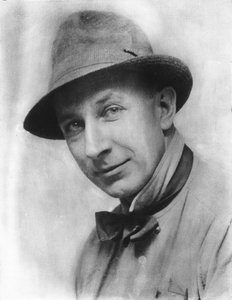
George Wesley Bellows
1882 - 1925 , United States of America
Quick Facts
- Artistic Movement Or Style: Ashcan School, Realism
- Artists Who Influenced This Artist: ['Robert Henri']
- Date Of Birth: 1882
- Date Of Death: 1925
- Full Name: George Wesley Bellows
- Nationality: American
- Notable Artworks:
- Central Park
- The Germans Arrive
- Men of the Docks
- Tennis Tournament
- Place Of Birth: Columbus, USA

