 Preview
 Send
Send Share
Share
 Details

 Download
 Similars
 X-Ray
X-Ray Diaporama
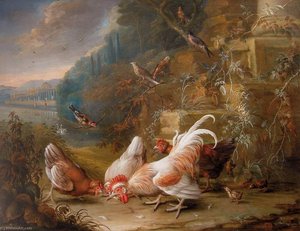
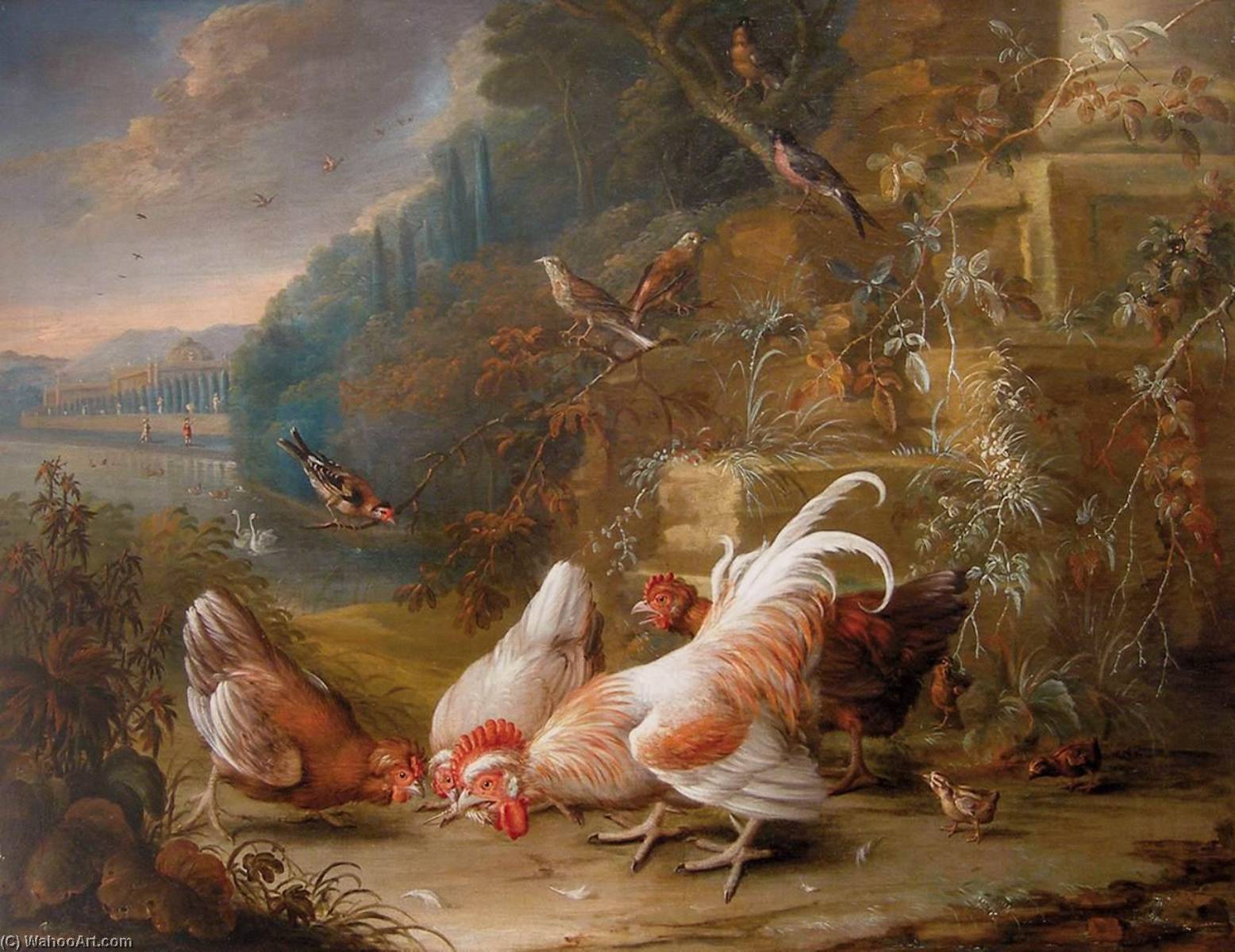
Birds and Fowl in a Landscape
 107.0 x 137.0 cm
 Read More
Giclée / Art Print
Museum-quality giclée or canvas print with fast production and flexible finish options. ( Buy Hand Made Painting Buy Image)




































Pick from our preset sizes that match the artwork's original proportions.

You may enter your own dimensions to fit a specific frame or space. If your selected size does not match the original image's proportions, we will either crop the artwork or extend the image with a mirrored or solid-fill edge. A digital mockup will be sent for your approval before production begins.
Please note that the on-screen preview does not reflect the actual cropping or extension. Only the mockup will accurately show the final composition.
While custom sizes are available, we recommend selecting a dimension from the predefined list to preserve the original proportions.
Worldwide Delivery () in 2 weeks instead of standard 4/5 weeks. (25 August)

Free Worldwide Express Shipping

High-Quality Linen Canvas

Full Shipping Insurance

Customs Tax Refund Guarantee

True Color Matching Guarantee

60-Day Return Policy (Defects Only)

100% Money-Back Guarantee

Bulk Discount Offer
 Glass option is only available in size under 110 CM

Birds and Fowl in a Landscape
Giclée / Art Print
Reproduction Size
-


Total Price
$ 63
Related Artworks










Artist Biography
Early Life and Family Legacy
George William Sartorius, born in London in 1759, emerged from a family deeply entrenched in the artistic traditions of sporting life. The Sartorius name became synonymous with capturing the elegance and dynamism of horses, hounds, and the aristocratic pursuits they represented. While not as widely celebrated as his brother John Nost Sartorius, George William carved out a distinct niche for himself, specializing in animal portraits and still lifes that offered a quieter, more intimate perspective on the Georgian world. His father, also an artist, instilled in him a foundational understanding of technique and composition, setting the stage for a career dedicated to meticulous observation and refined execution.
A Focus on Animals and Still Life
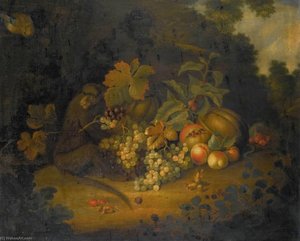
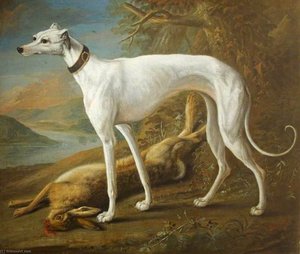
Unlike some of his contemporaries who favored grand historical narratives or sweeping landscapes, George William Sartorius found beauty in the details of everyday existence. He exhibited at the Free Society of Artists from 1773 to 1779, a period that allowed him to hone his skills and establish a reputation among discerning collectors. His paintings weren’t merely representations; they were celebrations of texture, light, and form. A particular strength lay in his ability to render animal subjects with remarkable accuracy and sensitivity, conveying not just their physical appearance but also a sense of character and vitality. He often depicted scenes featuring birds, dogs, and other creatures within carefully arranged still life compositions.
Technique and Artistic Style
Sartorius’s technique was characterized by a smooth, polished finish and a keen attention to detail. His brushwork, though precise, never felt overly labored; instead, it contributed to the overall sense of realism and refinement. He employed a subtle palette, favoring earth tones and muted colors that enhanced the natural beauty of his subjects. While influenced by the broader Georgian aesthetic—with its emphasis on order and balance—Sartorius’s work possessed a unique quality of intimacy and quiet contemplation. His still lifes, in particular, demonstrate a mastery of light and shadow, creating a sense of depth and atmosphere.
Historical Context and Significance
The late 18th century was a period of significant social and artistic change in England. The rise of the middle class led to an increased demand for art that reflected their values and aspirations. Sporting paintings, like those produced by the Sartorius family, became particularly popular among this burgeoning clientele. George William’s work, while perhaps not as overtly ambitious as some of his peers, played a vital role in documenting the lifestyle and tastes of the Georgian elite. His meticulous depictions of animals and still lifes offer valuable insights into the material culture and aesthetic sensibilities of the era.
Legacy and Continued Appreciation
Although he did not achieve the same level of fame as some of his contemporaries, George William Sartorius left behind a body of work that continues to be admired for its technical skill and quiet beauty. His paintings are now held in private collections and museums around the world, serving as a testament to his enduring talent. Today, collectors appreciate his ability to capture the essence of his subjects with remarkable sensitivity and precision. He remains an important figure in the history of British animal painting, representing a refined and understated approach to artistic representation.
Quick Facts
- Artistic Movement Or Style: Sporting art, Still life
- Date Of Birth: 1759
- Date Of Death: 1828
- Full Name: George William Sartorius
- Nationality: British
- Place Of Birth: London, UK