

 Preview
 Send
Send Share
Share
 Details

 Download
 Similars
 X-Ray
X-Ray Diaporama
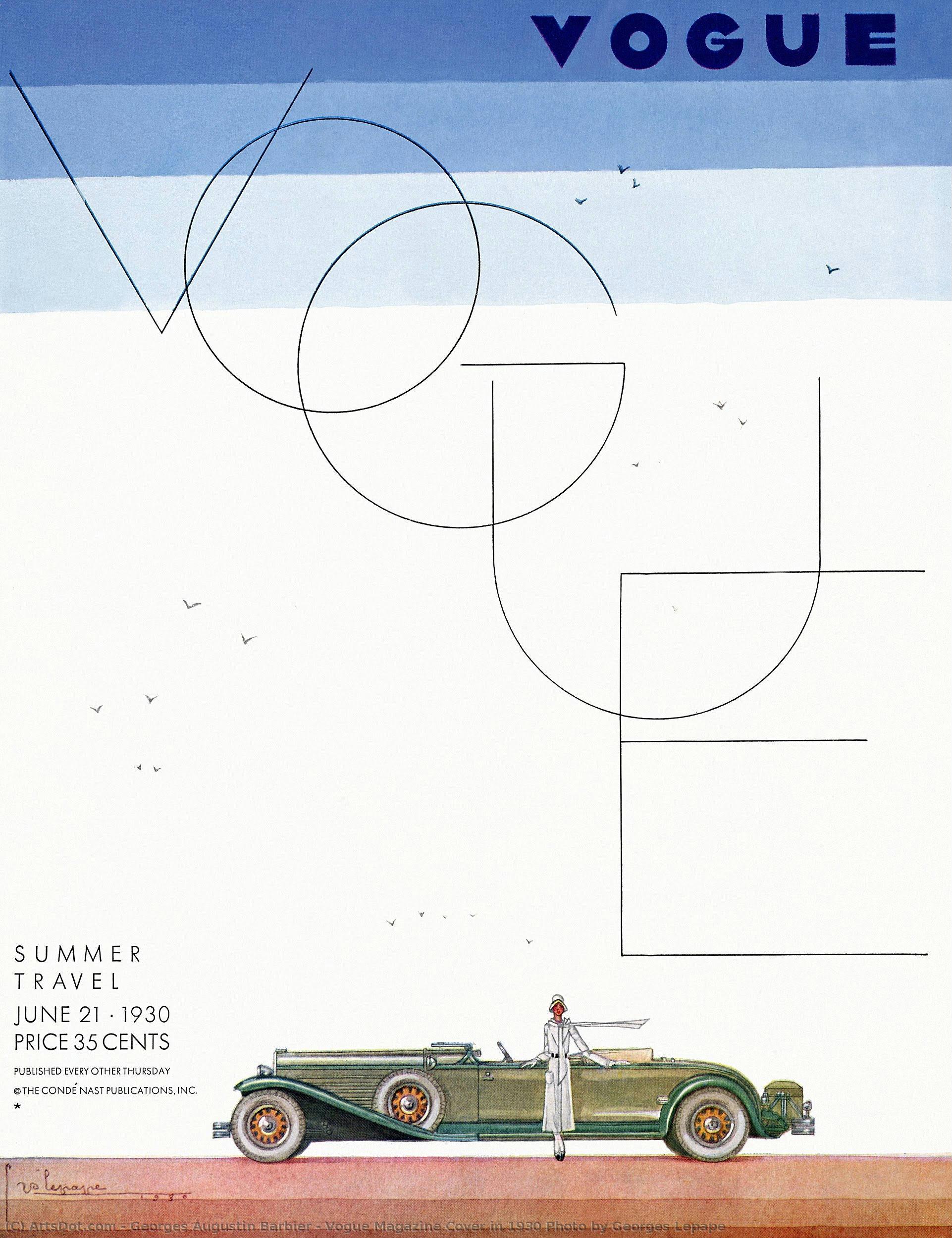
Vogue Magazine Cover in 1930 Photo by Georges Lepape


 Read More
Giclée / Art Print
Museum-quality giclée or canvas print with fast production and flexible finish options. ( Buy Hand Made Painting Buy Image)




































Pick from our preset sizes that match the artwork's original proportions.

You may enter your own dimensions to fit a specific frame or space. If your selected size does not match the original image's proportions, we will either crop the artwork or extend the image with a mirrored or solid-fill edge. A digital mockup will be sent for your approval before production begins.
Please note that the on-screen preview does not reflect the actual cropping or extension. Only the mockup will accurately show the final composition.
While custom sizes are available, we recommend selecting a dimension from the predefined list to preserve the original proportions.
Worldwide Delivery () in 2 weeks instead of standard 4/5 weeks. (6 September)

Free Worldwide Express Shipping

High-Quality Linen Canvas

Full Shipping Insurance

Customs Tax Refund Guarantee

True Color Matching Guarantee

100-Day Return Policy (Defects Only)

100% Money-Back Guarantee

Bulk Discount Offer
 Glass option is only available in size under 110 CM

Vogue Magazine Cover in 1930 Photo by Georges Lepape
Giclée / Art Print
Reproduction Size
-


Total Price
$ 63
Related Artworks



Artist Biography
The Architect of Art Deco Elegance
George Barbier, born Georges Augustin Barbier in Nantes, France, was far more than a mere illustrator; he was a meticulous architect of style and a visual storyteller who fundamentally shaped the aesthetic landscape of the early twentieth century. Born into an artistic lineage—with a father who was a painter and a cousin, the celebrated designer Paul Iribe—Barbier inherited a profound appreciation for beauty and an innate ability to translate the ephemeral essence of glamour onto paper. His career, though relatively brief in its peak, left an indelible mark on fashion, theatre, and the decorative arts, establishing him as one of the most influential figures of the Art Deco movement. His formative years were anchored by rigorous training at the prestigious École des Beaux-Arts in Paris, which provided him with a formidable foundation in classical drawing techniques. However, it was his immersion in the vibrant, high-society circles of Paris that truly ignited his creative spirit. Barbier became a central figure in an elite group of artists known affectionately by Vogue as “The Knights of the Bracelet.” This circle, which included luminaries such as Bernard Boutet de Monvel, Pierre Brissaud, and Georges Lepape, was celebrated for their flamboyant mannerisms and sophisticated designs, pushing the boundaries of illustration through a shared passion for luxury and modernism.A Symphony of Fashion and Theatre
Barbier’s work is instantly recognizable by its opulent detail, intricate patterns, and a masterful command of color that breathed life into the pages of the era's most prestigious publications. He gained widespread prominence through his breathtaking illustrations for La Gazette du Bon Ton, where he captured the very soul of Parisian society. His depictions of women draped in shimmering gowns, adorned with delicate feathers, precious jewels, and elaborate headwear, were never merely portraits; they were miniature narratives that conveyed a sense of playful sensuality and unparalleled sophistication. He did not simply draw garments; he constructed entire worlds around them, making the fashion itself part of a larger theatrical experience. His creative reach extended far beyond the printed page into the realms of performance and design. In the mid-1920s, Barbier collaborated with the legendary Erté to design sets and costumes for the iconic Folies Bergère, further cementing his role as a creator of spectacle. His versatility allowed him to transition seamlessly between different mediums, applying his eye for elegance to:- Jewellery design that mirrored the geometric precision of Art Deco.
- Exquisite glass and wallpaper patterns that transformed interior spaces.
- Theatrical and ballet costume design that defined the era's stage presence.
- Literary illustrations that brought high-fashion narratives to life.
Legacy of a Visual Visionary
At the height of his success, Barbier achieved mainstream popularity through regular appearances in L'Illustration magazine and through his scholarly contributions to the art world, including essays for the prestigious Gazette du Bon Ton. His ability to blend classical technique with the burgeoning modernism of the 1920s allowed him to bridge the gap between traditional fine art and the new, fast-paced world of commercial design. Though he passed away in 1932 at the very pinnacle of his professional triumph, his influence remains a cornerstone of twentieth-century visual culture. Barbier’s legacy lives on in every line of Art Deco geometry and every flourish of high-fashion illustration that seeks to capture the sublime. He remains a symbol of an era defined by elegance, a period when art and lifestyle merged into a single, dazzling expression of human creativity.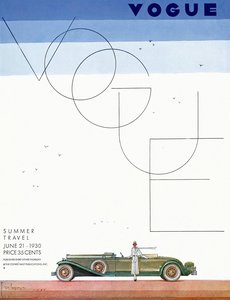
georges augustin barbier
1887 - 1971 , France
Quick Facts
- Artistic Movement Or Style: Art Nouveau
- Artists Or Movements Influenced By This Artist: ['Art Deco']
- Artists Who Influenced This Artist: ['Aubrey Beardsley']
- Date Of Birth: October 16, 1882
- Full Name: Georges Augustin Barbier
- Nationality: French
- Notable Artworks: ['La Gazette du Bon Ton']
- Place Of Birth: Nantes, France