 Preview
 Send
Send Share
Share
 Details

 Download
 Similars
 X-Ray
X-Ray Diaporama
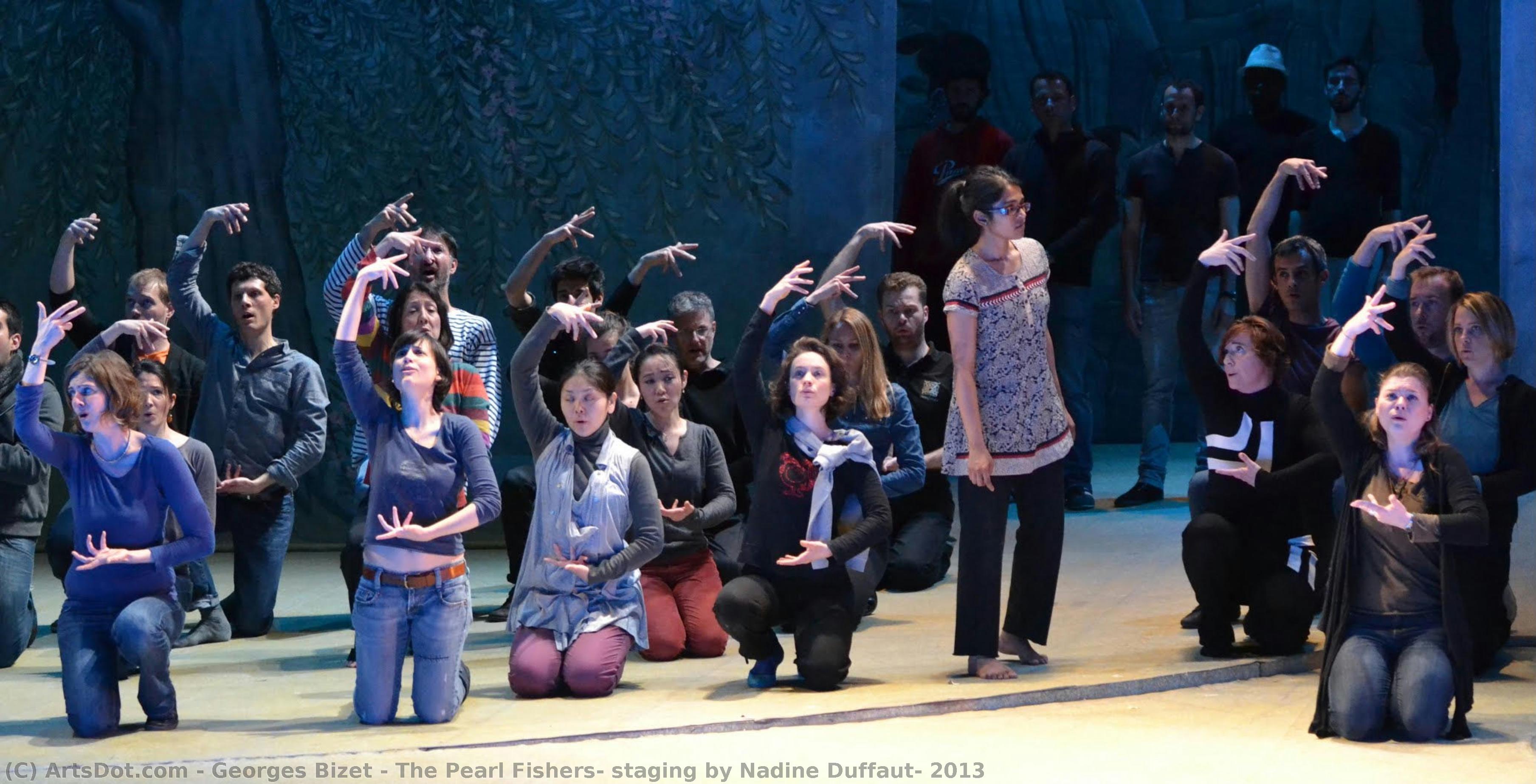
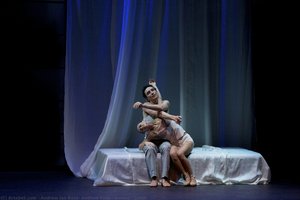
The Pearl Fishers, staging by Nadine Duffaut, 2013


 Read More
Giclée / Art Print
Museum-quality giclée or canvas print with fast production and flexible finish options. ( Buy Hand Made Painting Buy Image)




































Pick from our preset sizes that match the artwork's original proportions.

You may enter your own dimensions to fit a specific frame or space. If your selected size does not match the original image's proportions, we will either crop the artwork or extend the image with a mirrored or solid-fill edge. A digital mockup will be sent for your approval before production begins.
Please note that the on-screen preview does not reflect the actual cropping or extension. Only the mockup will accurately show the final composition.
While custom sizes are available, we recommend selecting a dimension from the predefined list to preserve the original proportions.
Worldwide Delivery () in 2 weeks instead of standard 4/5 weeks. (31 August)

Free Worldwide Express Shipping

High-Quality Linen Canvas

Full Shipping Insurance

Customs Tax Refund Guarantee

True Color Matching Guarantee

60-Day Return Policy (Defects Only)

100% Money-Back Guarantee

Bulk Discount Offer
 Glass option is only available in size under 110 CM

The Pearl Fishers, staging by Nadine Duffaut, 2013
Giclée / Art Print
Reproduction Size
-


Total Price
$ 63
Related Artworks







Artist Biography
A Parisian Prodigy: The Life and Legacy of Georges Bizet
Georges Alexandre César Léopold Bizet, born in Paris on October 25, 1838, was a composer destined to leave an indelible mark on the world of opera. His story is one of remarkable talent blossoming amidst the vibrant cultural landscape of 19th-century France, tragically cut short just as his genius reached its full potential. Unlike many composers who emerged from aristocratic backgrounds or rigorous formal training in isolation, Bizet’s musical education was nurtured within a family deeply connected to the performing arts. His father, Adolphe Bizet, initially a wigmaker, found his true calling as a singing teacher, and his mother, Aimée Delsarte, hailed from a musically gifted lineage—her brother François being a celebrated singer at the Royal Courts. This familial environment instilled in young Georges an early passion for music; he was reading and writing musical notation by the age of four, demonstrating a precocity that would define his career.Early Studies and Italian Influences
Bizet’s exceptional aptitude secured him admission to the prestigious Paris Conservatoire at the tender age of nine—a feat considering the typical entry age was ten. There, he flourished under the tutelage of Charles Gounod and Fromental Halévy, absorbing their compositional techniques while simultaneously winning a series of coveted prizes. However, it was his triumph in 1857 with the *Prix de Rome* for his cantata *Clovis et Clotilde* that proved pivotal. This award came with a five-year state pension and a mandatory two-year residency at the French Academy in Rome—a period intended to refine his skills through immersion in Italian artistic traditions. While initially distracted by the social allure of Roman life, Bizet eventually produced works demonstrating a growing influence from composers like Gaetano Donizetti and Gioachino Rossini. His comedic opera *Don Procopio*, though not publicly performed until decades later, showcased this burgeoning Italianate style. The experience in Rome, while perhaps less productive than initially hoped, broadened his musical horizons and laid the groundwork for future innovations.A Composer Forging a Unique Path
Upon returning to Paris in 1860, Bizet embarked on a career marked by both promise and frustration. He secured employment as a rehearsal pianist and arranger, gaining invaluable insight into the practicalities of theatrical production—a knowledge that would inform his later operas. His early works, such as *Les pêcheurs de perles* (The Pearl Fishers), premiered in 1863, revealed his talent for exotic settings, dramatic storytelling, and vibrant orchestration. Despite these qualities, initial reception was lukewarm, and the opera languished in relative obscurity for years. He found a crucial ally in Léon Carvalho, director of the Théâtre Lyrique, who recognized Bizet’s potential but often postponed or even suppressed his compositions. This period highlights a recurring theme in Bizet's life: a struggle to reconcile his artistic vision with the prevailing tastes of Parisian audiences and the cautious conservatism of theatrical management. He continued to refine his skills, blending elements of French lyricism with Italian dramatic flair, slowly developing a unique compositional voice.The Triumph and Tragedy of *Carmen*
Bizet’s most enduring legacy rests upon his final opera, *Carmen*, which premiered in 1875. A radical departure from the conventions of its time, *Carmen* presented a realistic portrayal of working-class life, featuring a fiercely independent and passionate heroine who defied societal norms. The opera's gritty realism, coupled with its captivating melodies and dramatic intensity, initially shocked Parisian audiences accustomed to more idealized operatic narratives. Despite this initial resistance, *Carmen* gradually gained recognition for its innovative spirit and emotional depth. Tragically, Bizet did not live to witness the full extent of his masterpiece’s success; he died just three months after its premiere at the age of 36. The opera's popularity soared in subsequent years, becoming one of the most frequently performed works in the operatic repertoire and profoundly influencing the development of *verismo*—a late-19th-century Italian movement characterized by its realistic depictions of everyday life.Historical Significance and Enduring Influence
Georges Bizet’s impact on opera is immeasurable. He bridged the gap between French lyric tradition and Italian dramatic intensity, creating a uniquely expressive style that resonated with audiences long after his untimely death. *Carmen* remains a cornerstone of Romantic music, celebrated for its unforgettable characters, captivating melodies, and groundbreaking realism. His willingness to explore unconventional themes and portray complex human emotions paved the way for future generations of composers. Bizet’s legacy extends beyond opera, influencing musical theatre and popular culture alike. He is remembered not only as a brilliant composer but also as a visionary artist who dared to challenge conventions and capture the raw beauty and complexity of life in his music, leaving an enduring testament to the power of artistic expression.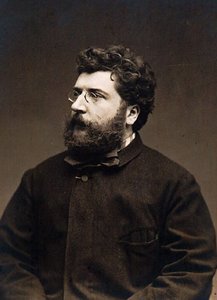
georges bizet
1838 - 1875 , France
Quick Facts
- Artistic Movement Or Style: Romantic opera
- Artists Or Movements Influenced By This Artist: ['Verismo school']
- Artists Who Influenced This Artist:
- Charles Gounod
- Fromental Halévy
- Date Of Birth: October 25, 1838
- Date Of Death: June 3, 1875
- Full Name: Georges Bizet
- Nationality: French
- Notable Artworks: ['Carmen']
- Place Of Birth: Paris, France