

 Preview
 Send
Send Share
Share
 Details

 Download
 Similars
 X-Ray
X-Ray Diaporama
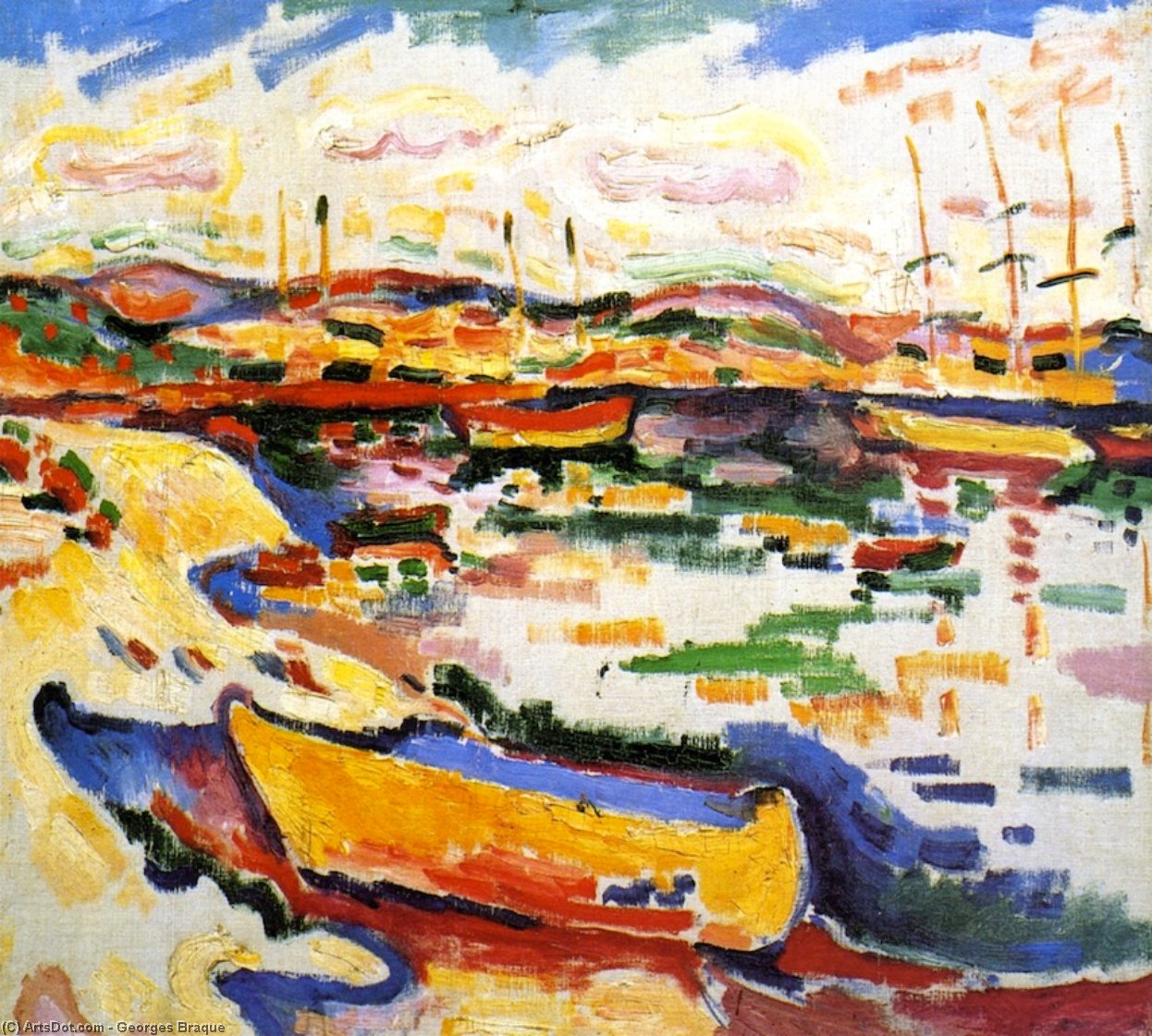
Landscape at L'Estaque
 Acrylic
- WallArt
- Analytical Cubism
 1906
1906 49.0 x 61.0 cm
 Read More
Purchase a high-resolution, enhanced digital image, far superior to the online preview.
Each file is meticulously prepared by our in-house specialists using advanced tools and expert manual retouching. We ensure every image has exceptional clarity, precise color accuracy, and fine detail.
The final file is delivered via email within 72 hours, optimized for immediate use in professional, editorial, and print environments. This is the same quality trusted by top-tier design studios, publishers, and galleries.
Digital Image
Download a high-resolution file for personal display, printing, and creative projects. ( Buy Print Buy Hand Made Painting)
Included in Every Digital Image Order
Expert Digital Delivery, Guaranteed
When you choose ArtsDot.com, you're not just getting an image - you're receiving a professionally enhanced digital artwork, crafted with precision and backed by a satisfaction guarantee. Here's everything that comes with your order, automatically:

Fast Email Delivery
Your high-resolution digital image file will be emailed to you within 72 hours of ordering - ready for immediate use.

AI-Enhanced Digital File
Your artwork is professionally optimized using advanced AI tools and manual editing, ensuring maximum detail, clarity, and color accuracy.

Free Lifetime Re-Delivery
Accidentally deleted or lost your file? No worries - we'll resend it to you anytime, free of charge.

No Import Fees - Ever
Enjoy your artwork instantly with zero customs, duties, or delivery fees - digital downloads are always tax-free.

Color Accuracy Guarantee
We ensure your digital image reflects the original colors as closely as possible using professional tools and color management.

60-Day Satisfaction Guarantee
If you're not satisfied with your digital image, we'll revise it or refund 100% within 60 days - no questions asked.

100% Money-Back Guarantee
Not satisfied? Get a full refund within 60 days of receiving your digital file - no questions asked.

Bulk Order Discounts
Buy 3 images, save 10% - Buy 5, save 15% - Buy 10+, save 20%. Great for creative projects, galleries, and agencies.
Collectible Description
A Moment Frozen in Time: Landscape at L’Estaque by Georges Braque
The painting “Landscape at L’Estanque” – a deceptively simple depiction of a Provençal beach scene – encapsulates the spirit of Cubism's formative years and offers a profound glimpse into the artistic sensibilities of Georges Braque. Completed in 1906, this artwork isn’t merely a representation of a picturesque vista; it’s an intellectual exploration of perception itself, reflecting the revolutionary ideas bubbling beneath the surface of European art at the turn of the century.The Genesis of Cubism
Braque's involvement with Pablo Picasso and Juan Gris cemented his position as one of the pioneers of Cubism, a movement that fundamentally challenged traditional artistic conventions. Prior to this collaboration, Braque’s work leaned towards Impressionistic influences – capturing fleeting moments of light and color—but L’Estanque represents a decisive break from these stylistic precedents. The painting exemplifies the core tenets of Cubism: fragmentation and simultaneity. Instead of presenting an illusionistic depiction of reality as seen by the eye, Braque dismantles objects into geometric planes and facets, reconstructing them in multiple viewpoints simultaneously. This technique aims to convey not just what is visible but also what is implied—the artist’s understanding of the subject beyond its surface appearance.Technical Mastery: Color Palette and Texture
The subdued color palette employed by Braque contributes significantly to the painting's contemplative mood. Dominated by earthy tones – ochre, umber, and terracotta – the hues evoke the warmth of the Mediterranean sun and ground the composition in a tangible reality. However, these muted colors are juxtaposed with subtle textural variations achieved through meticulous brushwork. Notice how Braque utilizes impasto—thickly applied paint—to render the boats’ hulls and the sandy beach surface, creating a palpable sense of materiality. This tactile quality invites viewers to engage with the artwork on an emotional level, mirroring the artist's desire to capture not just visual information but also the essence of experience.Historical Context: The Dawn of Modern Art
L’Estanque emerged during a period of intense artistic experimentation and debate within Paris’s avant-garde circles. Artists were grappling with new ideas about representation—influenced by developments in science, particularly Einstein's theory of relativity—that questioned the notion of a stable visual world. Impressionism had already paved the way for questioning traditional perspective and color theory, but Cubism pushed these explorations even further. The painting reflects this intellectual ferment, embodying the movement’s conviction that art should strive to capture not just what is seen but also how it is perceived—a radical departure from centuries of artistic tradition.Symbolic Resonance: Quietude and Observation
Beyond its formal innovations, L’Estanque possesses a subtle symbolic resonance. The tranquil beach setting speaks to the humanist ideals prevalent in early 20th-century art – emphasizing contemplation and appreciation for the natural world. Braque's careful depiction of the boats and canoes underscores the importance of observation—of meticulously analyzing and reconstructing visual information. The solitary figure on the shore serves as a reminder that true artistic insight arises from attentive engagement with one’s surroundings, mirroring the artist’s own philosophical stance.Emotional Impact: A Balm for the Soul
Ultimately, “Landscape at L’Estanque” transcends mere visual representation; it offers an emotional experience akin to gazing upon a timeless tableau. The painting's harmonious composition and muted color scheme instill a sense of serenity and peace—a welcome respite from the anxieties of the era. It invites viewers to slow down, consider beauty, and reconnect with the fundamental rhythms of nature. This enduring appeal testifies to Braque’s ability to distill complex ideas into a powerfully evocative image, securing his place as one of the most significant figures in the history of modern art.Related Artworks
Artist Biography
Early Life and Artistic Foundations
Georges Braque, born in Argenteuil, France, in 1882, embarked on a path deeply intertwined with the evolving landscape of modern art. His upbringing within a family of house painters and decorators instilled in him not only a technical mastery of materials but also an early appreciation for form and structure. Though initially following in his father’s trade, Braque's inherent artistic inclinations soon led him to formal training at the École des Beaux-Arts in Le Havre, marking the beginning of his journey toward becoming one of the most influential painters of the 20th century. This foundation—a blend of practical craftsmanship and academic study—would prove crucial as he later deconstructed and reimagined traditional artistic conventions.
Moving to Paris in 1902, Braque continued his studies at the Académie Humbert, immersing himself in the vibrant artistic milieu of the city. It was here that he encountered artists like Marie Laurencin and Francis Picabia, forging connections that would shape his early development. His initial works reflected the prevailing influences of Impressionism and Post-Impressionism, but a pivotal encounter with the bold colors and expressive freedom of Fauvism in 1905 ignited a new direction in his artistic exploration.
The Embrace of Fauvism and the Dawn of Cubism
Braque’s adoption of Fauvist principles—characterized by intense, non-naturalistic color and emotional expression—is vividly exemplified in paintings like The Patience. This period saw him working alongside artists such as Henri Matisse and André Derain, experimenting with vibrant palettes and simplified forms. However, Braque's engagement with Fauvism was not merely imitative; he infused it with a unique sensibility, tempering the movement’s unrestrained exuberance with a more restrained and analytical approach.
A turning point arrived in 1907 with his exposure to the retrospective exhibition of Paul Cézanne's work. Cézanne’s emphasis on geometric forms and multiple perspectives profoundly impacted Braque, setting the stage for his groundbreaking collaboration with Pablo Picasso. Beginning in 1908, these two artistic titans embarked on a period of intense intellectual exchange that would give birth to Cubism—a revolutionary movement that shattered traditional notions of representation.
Together, Braque and Picasso developed Analytical Cubism, dissecting objects into fragmented geometric shapes and presenting multiple viewpoints simultaneously. Works like Houses at L'Estaque demonstrate this early phase, showcasing a radical departure from conventional perspective and a focus on the underlying structure of forms. Their palette became deliberately muted, emphasizing form over color, as they sought to represent the totality of an object’s presence rather than merely its appearance.
Innovation Through Fragmentation and Collage
The partnership between Braque and Picasso continued to push the boundaries of artistic expression, leading to the development of Synthetic Cubism around 1912. This phase saw the introduction of collage—the incorporation of real-world materials such as newspaper clippings, wallpaper, and fabric into paintings. This innovation challenged the traditional hierarchy between painting and sculpture, blurring the lines between art and life.
Braque’s pioneering use of *papier collé* (pasted paper) marked a significant turning point in his artistic evolution. By integrating fragments of everyday objects into his compositions, he disrupted the illusionistic space of traditional painting and introduced a new level of materiality and texture. This technique not only expanded the formal possibilities of art but also reflected a growing interest in the relationship between representation and reality.
The outbreak of World War I in 1914 brought an interruption to this intense collaboration, as Braque was called upon for military service. His wartime experiences profoundly affected his artistic vision, leading him to explore more personal and lyrical themes in his post-war work.
Later Years and Enduring Legacy
Following the war, Braque’s style evolved beyond the strict confines of Cubism, incorporating elements of classical composition and a renewed interest in still life. While retaining the geometric influences that had defined his earlier work, he developed a more nuanced and contemplative approach to painting. His later landscapes and interiors are characterized by their serene atmosphere and subtle harmonies of color.
Throughout his career, Braque remained committed to exploring the fundamental principles of form, space, and representation. He continued to experiment with different materials and techniques, pushing the boundaries of artistic expression until his death in 1963. His influence on subsequent generations of artists is immeasurable, shaping the course of modern art and inspiring countless painters, sculptors, and collagists.
Georges Braque’s legacy extends beyond his individual artworks; he fundamentally altered our understanding of how we perceive and represent the world around us. His collaborative spirit with Picasso, coupled with his own unique artistic vision, cemented his place as a true pioneer of modern art—a master who dared to challenge conventions and redefine the possibilities of painting.
Influences and Notable Works
- Influenced By: Henri Matisse, André Derain, Paul Cézanne
- Key Works: Houses at L'Estaque, The Patience, Violin and Palette, Mandola
- Impact on Art History: Revolutionized 20th-century art through Cubism; challenged traditional notions of perspective and representation.
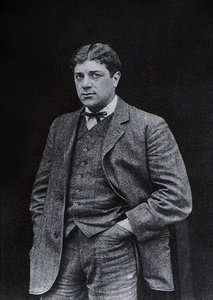
Georges Braque
1882 - 1963 , France
Quick Facts
- Artistic Movement Or Style: Cubism, Fauvism
- Artists Or Movements Influenced By This Artist:
- Pablo Picasso
- Modern Art
- Artists Who Influenced This Artist:
- Henri Matisse
- André Derain
- Paul Cézanne
- Date Of Birth: May 13, 1882
- Date Of Death: 1963
- Full Name: Georges Braque
- Nationality: French
- Notable Artworks:
- Houses at L'Estaque
- The Patience
- Violin and Palette
- Mandola
- Place Of Birth: Argenteuil, France

