 Preview
 Send
Send Share
Share
 Details

 Download
 Similars
 X-Ray
X-Ray Diaporama
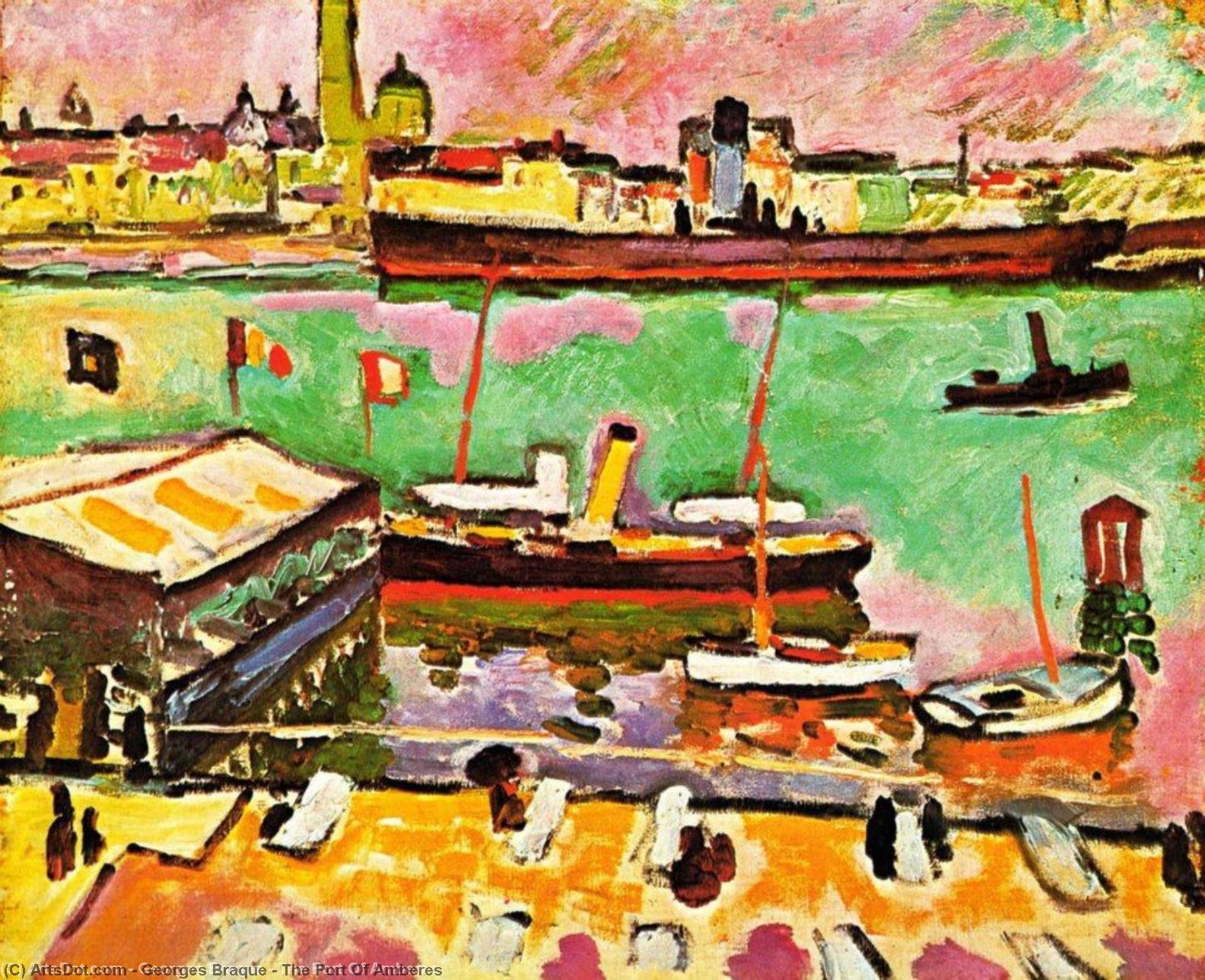
The Port Of Amberes


 Read More
Giclée / Art Print
Museum-quality giclée or canvas print with fast production and flexible finish options. ( Buy Hand Made Painting Buy Image)




P118B $10

P118H $10

P118W $10

P438Z $10

P508JH $12

P508YH $12

P805H $10

P805Z $10

P919BZ $10

P919G $10

P919XJ $10

P959ZH $10

P968JZ $12

W106C $8

W218G $10

W218JH $8

W218Y $10

W307PJ $10

W316G $10

W316PJ $8

W316Y $10

W398PJ $8

W4111J $10

W500HY $15

W500JH $15

W692G $12

W849H $8

W940BG $15

W953PJ $8




Pick from our preset sizes that match the artwork's original proportions.

You may enter your own dimensions to fit a specific frame or space. If your selected size does not match the original image's proportions, we will either crop the artwork or extend the image with a mirrored or solid-fill edge. A digital mockup will be sent for your approval before production begins.
Please note that the on-screen preview does not reflect the actual cropping or extension. Only the mockup will accurately show the final composition.
While custom sizes are available, we recommend selecting a dimension from the predefined list to preserve the original proportions.
Worldwide Delivery () in 2 weeks instead of standard 4/5 weeks. (23 August)

Free Worldwide Express Shipping

High-Quality Linen Canvas

Full Shipping Insurance

Customs Tax Refund Guarantee

True Color Matching Guarantee

60-Day Return Policy (Defects Only)

100% Money-Back Guarantee

Bulk Discount Offer
 Glass option is only available in size under 110 CM

The Port Of Amberes
Giclée / Art Print
Reproduction Size
-


Total Price
$ 63
Collectible Description
Georges Braque's "The Port of Antwerp": A Study in Fragmented Reality
Georges Braque’s “The Port of Antwerp,” painted around 1910, stands as a pivotal work within the artist’s groundbreaking exploration of Cubism. This vibrant depiction of a bustling waterfront scene isn’t merely a record of a physical location; it's an intensely analytical investigation into form, space, and perception – a radical departure from the representational traditions that had dominated Western art for centuries. The painting immediately draws the eye to the chaotic yet meticulously arranged collection of boats, each rendered with a deliberate fragmentation that anticipates the core tenets of Cubism. The artist’s focus isn't on creating an illusion of depth or perspective in the conventional sense, but rather on presenting multiple viewpoints simultaneously, inviting the viewer to actively participate in reconstructing the image.
- Subject Matter: The scene depicts a lively port, capturing the energy and activity of a busy waterway. The inclusion of boats – ranging from small skiffs to larger vessels – suggests themes of commerce, transportation, and human interaction, common subjects in Braque’s work during this period.
- Style & Technique: “The Port of Antwerp” exemplifies the early stages of Cubism, characterized by its geometric simplification of forms. Braque employs a muted palette – predominantly browns, ochres, and blues – which contributes to the painting's somber yet dynamic atmosphere. The brushwork is deliberately rough and textured, adding to the sense of immediacy and contributing to the overall feeling of fractured space.
Historical Context: The Birth of a New Vision
Braque’s artistic journey during this period was inextricably linked to the intellectual ferment surrounding him in Paris. He was deeply influenced by Paul Cézanne's exploration of form and his insistence on depicting objects from multiple viewpoints. Furthermore, Braque engaged with the ideas of Pablo Picasso, whom he met frequently and whose work profoundly shaped his own evolving style. The painting reflects a broader artistic movement – a rejection of academic realism in favor of a more conceptual and intellectual approach to artmaking. This was a time of intense experimentation, driven by a desire to challenge established norms and redefine the very nature of representation.
- Cézanne’s Influence: Braque's careful observation of Cézanne’s work is evident in his treatment of volume and space. The boats are not depicted as solid, three-dimensional objects but rather as flattened planes, suggesting a simultaneous viewing of the subject from different angles.
- The Rise of Analytical Cubism: “The Port of Antwerp” aligns with the early phase of Analytical Cubism, where artists systematically broke down objects into their constituent parts and reassembled them on the canvas in an attempt to represent multiple perspectives at once.
Symbolic Layers & Emotional Resonance
Beyond its formal qualities, “The Port of Antwerp” possesses a subtle symbolic depth. The clock, prominently positioned in the upper-left corner, could be interpreted as a reference to time – a recurring theme in Braque’s work – or perhaps as a deliberate disruption of the scene, further emphasizing the fragmented nature of perception. The overall mood is one of quiet contemplation and observation, inviting the viewer to engage with the complexities of the depicted space. The painting evokes a sense of urban life, industry, and the transient nature of human activity.
- The Clock as Symbol: The inclusion of the clock adds an element of mystery and invites speculation about its significance within the context of the artwork. It could represent the passage of time, the constraints of routine, or perhaps a commentary on the artificiality of representation itself.
- Emotional Impact: Despite its fragmented appearance, the painting possesses a powerful emotional resonance, capturing a moment in time with remarkable intensity and inviting viewers to contemplate the relationship between observation, perception, and reality.
A Masterpiece for Your Collection
ArtsDot offers meticulously crafted hand-painted reproductions of “The Port of Antwerp,” allowing you to bring this seminal work of modern art into your home or office. Each reproduction is created using the highest quality materials and techniques, ensuring exceptional detail and color accuracy. Whether you are an art enthusiast, a collector seeking to expand your collection, or an interior designer looking for a statement piece, this artwork offers a unique opportunity to own a tangible connection to one of the most important moments in the history of painting.
Related Artworks
Artist Biography
Early Life and Artistic Foundations
Georges Braque, born in Argenteuil, France, in 1882, embarked on a path deeply intertwined with the evolving landscape of modern art. His upbringing within a family of house painters and decorators instilled in him not only a technical mastery of materials but also an early appreciation for form and structure. Though initially following in his father’s trade, Braque's inherent artistic inclinations soon led him to formal training at the École des Beaux-Arts in Le Havre, marking the beginning of his journey toward becoming one of the most influential painters of the 20th century. This foundation—a blend of practical craftsmanship and academic study—would prove crucial as he later deconstructed and reimagined traditional artistic conventions.
Moving to Paris in 1902, Braque continued his studies at the Académie Humbert, immersing himself in the vibrant artistic milieu of the city. It was here that he encountered artists like Marie Laurencin and Francis Picabia, forging connections that would shape his early development. His initial works reflected the prevailing influences of Impressionism and Post-Impressionism, but a pivotal encounter with the bold colors and expressive freedom of Fauvism in 1905 ignited a new direction in his artistic exploration.
The Embrace of Fauvism and the Dawn of Cubism
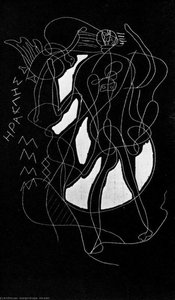
Braque’s adoption of Fauvist principles—characterized by intense, non-naturalistic color and emotional expression—is vividly exemplified in paintings like The Patience. This period saw him working alongside artists such as Henri Matisse and André Derain, experimenting with vibrant palettes and simplified forms. However, Braque's engagement with Fauvism was not merely imitative; he infused it with a unique sensibility, tempering the movement’s unrestrained exuberance with a more restrained and analytical approach.
A turning point arrived in 1907 with his exposure to the retrospective exhibition of Paul Cézanne's work. Cézanne’s emphasis on geometric forms and multiple perspectives profoundly impacted Braque, setting the stage for his groundbreaking collaboration with Pablo Picasso. Beginning in 1908, these two artistic titans embarked on a period of intense intellectual exchange that would give birth to Cubism—a revolutionary movement that shattered traditional notions of representation.
Together, Braque and Picasso developed Analytical Cubism, dissecting objects into fragmented geometric shapes and presenting multiple viewpoints simultaneously. Works like Houses at L'Estaque demonstrate this early phase, showcasing a radical departure from conventional perspective and a focus on the underlying structure of forms. Their palette became deliberately muted, emphasizing form over color, as they sought to represent the totality of an object’s presence rather than merely its appearance.
Innovation Through Fragmentation and Collage
The partnership between Braque and Picasso continued to push the boundaries of artistic expression, leading to the development of Synthetic Cubism around 1912. This phase saw the introduction of collage—the incorporation of real-world materials such as newspaper clippings, wallpaper, and fabric into paintings. This innovation challenged the traditional hierarchy between painting and sculpture, blurring the lines between art and life.
Braque’s pioneering use of *papier collé* (pasted paper) marked a significant turning point in his artistic evolution. By integrating fragments of everyday objects into his compositions, he disrupted the illusionistic space of traditional painting and introduced a new level of materiality and texture. This technique not only expanded the formal possibilities of art but also reflected a growing interest in the relationship between representation and reality.
The outbreak of World War I in 1914 brought an interruption to this intense collaboration, as Braque was called upon for military service. His wartime experiences profoundly affected his artistic vision, leading him to explore more personal and lyrical themes in his post-war work.
Later Years and Enduring Legacy
Following the war, Braque’s style evolved beyond the strict confines of Cubism, incorporating elements of classical composition and a renewed interest in still life. While retaining the geometric influences that had defined his earlier work, he developed a more nuanced and contemplative approach to painting. His later landscapes and interiors are characterized by their serene atmosphere and subtle harmonies of color.
Throughout his career, Braque remained committed to exploring the fundamental principles of form, space, and representation. He continued to experiment with different materials and techniques, pushing the boundaries of artistic expression until his death in 1963. His influence on subsequent generations of artists is immeasurable, shaping the course of modern art and inspiring countless painters, sculptors, and collagists.
Georges Braque’s legacy extends beyond his individual artworks; he fundamentally altered our understanding of how we perceive and represent the world around us. His collaborative spirit with Picasso, coupled with his own unique artistic vision, cemented his place as a true pioneer of modern art—a master who dared to challenge conventions and redefine the possibilities of painting.
Influences and Notable Works
- Influenced By: Henri Matisse, André Derain, Paul Cézanne
- Key Works: Houses at L'Estaque, The Patience, Violin and Palette, Mandola
- Impact on Art History: Revolutionized 20th-century art through Cubism; challenged traditional notions of perspective and representation.
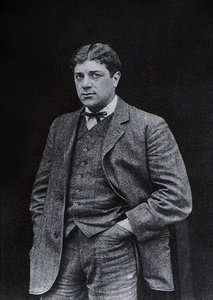
Georges Braque
1882 - 1963 , France
Quick Facts
- Artistic Movement Or Style: Cubism, Fauvism
- Artists Or Movements Influenced By This Artist:
- Pablo Picasso
- Modern Art
- Artists Who Influenced This Artist:
- Henri Matisse
- André Derain
- Paul Cézanne
- Date Of Birth: May 13, 1882
- Date Of Death: 1963
- Full Name: Georges Braque
- Nationality: French
- Notable Artworks:
- Houses at L'Estaque
- The Patience
- Violin and Palette
- Mandola
- Place Of Birth: Argenteuil, France
Related Articles

Georges Braque's Masterpieces: 25 Paintings That Defined Cubism & Modern Art | ArtsDot
Explore 25 iconic Georges Braque paintings that revolutionized Cubism & modern art. Discover the stories behind his masterpieces, from Fauvism to Analytical Cubism. Find museum-quality reproductions & elevate your home decor with ArtsDot.com.
Transforming Spaces: A Comprehensive Exploration of Wall Decor Through Art History & Contemporary Practice
Explore the art of transforming spaces with our comprehensive guide to wall decor. From historical movements to contemporary trends, discover how to curate impactful interiors and commission bespoke artwork for a truly personalized aesthetic.

Giclée Prints: Archival Quality & Aesthetic Nuances for the Discerning Collector
Explore the world of giclée prints with ArtsDot. Learn about archival quality, aesthetic nuances & investment potential. Expert guidance for discerning art collectors seeking museum-quality reproductions and lasting value.

Echoes of Time: Exploring the Enduring Appeal & Historical Context of Vintage Art Prints
Explore the captivating world of vintage art prints! Discover their history, collecting tips & enduring appeal. Expert insights on chromolithography and building a legacy collection with ArtsDot.
The Return of the Fresco: Why Wall Murals Are the New Luxury Statement
Elevate your space with bespoke wall murals & frescoes. Explore the resurgence of this luxury art form. Expert design guidance & seamless installation – .