

 Preview
 Send
Send Share
Share
 Details

 Download
 Similars
 X-Ray
X-Ray Diaporama
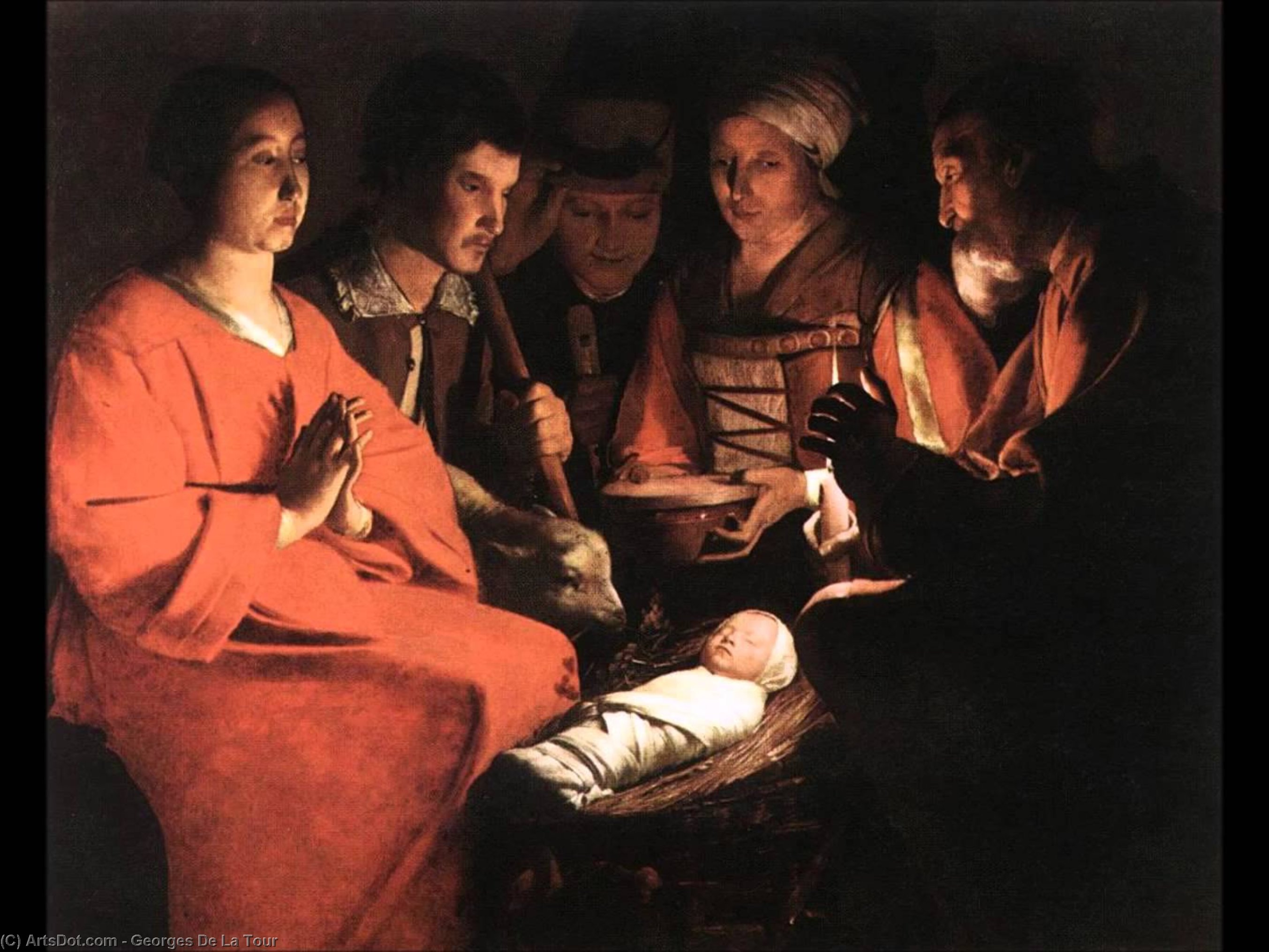
Adoration of the Shepherds
 Oil On Canvas
- WallArt
- Baroque Dramatic Illumination
 1644
1644- Early Modern
 107.0 x 131.0 cm
 The Louvre
 Read More
Purchase a high-resolution, enhanced digital image, far superior to the online preview.
Each file is meticulously prepared by our in-house specialists using advanced tools and expert manual retouching. We ensure every image has exceptional clarity, precise color accuracy, and fine detail.
The final file is delivered via email within 72 hours, optimized for immediate use in professional, editorial, and print environments. This is the same quality trusted by top-tier design studios, publishers, and galleries.
Digital Image
Download a high-resolution file for personal display, printing, and creative projects. ( Buy Print Buy Hand Made Painting)
Included in Every Digital Image Order
Expert Digital Delivery, Guaranteed
When you choose ArtsDot.com, you're not just getting an image - you're receiving a professionally enhanced digital artwork, crafted with precision and backed by a satisfaction guarantee. Here's everything that comes with your order, automatically:

Fast Email Delivery
Your high-resolution digital image file will be emailed to you within 72 hours of ordering - ready for immediate use.

AI-Enhanced Digital File
Your artwork is professionally optimized using advanced AI tools and manual editing, ensuring maximum detail, clarity, and color accuracy.

Free Lifetime Re-Delivery
Accidentally deleted or lost your file? No worries - we'll resend it to you anytime, free of charge.

No Import Fees - Ever
Enjoy your artwork instantly with zero customs, duties, or delivery fees - digital downloads are always tax-free.

Color Accuracy Guarantee
We ensure your digital image reflects the original colors as closely as possible using professional tools and color management.

60-Day Satisfaction Guarantee
If you're not satisfied with your digital image, we'll revise it or refund 100% within 60 days - no questions asked.

100% Money-Back Guarantee
Not satisfied? Get a full refund within 60 days of receiving your digital file - no questions asked.

Bulk Order Discounts
Buy 3 images, save 10% - Buy 5, save 15% - Buy 10+, save 20%. Great for creative projects, galleries, and agencies.
Collectible Description
A Symphony of Shadow and Divinity
In the quiet, hallowed halls of the Louvre Museum hangs a masterpiece that does more than merely depict a biblical moment; it invites the viewer into a sacred, nocturnal embrace. Georges de La Tour’s "Adoration of the Shepherds," completed in 1644, stands as one of the most profound achievements of the French Baroque era. This monumental canvas is an immersive experience, where the boundaries between the earthly and the divine blur under the soft, flickering glow of a single candle. Through his unparalleled mastery of chiaroscuro, De La Tour transforms a traditional scene from the Gospel of Luke into a deeply personal, meditative encounter that continues to captivate art lovers and collectors centuries after its creation.
The painting’s power lies in its dramatic use of Tenebrism, a stylistic approach where deep, impenetrable shadows are punctuated by stark, brilliant highlights. De La Tour does not merely paint light; he sculpts it. The composition is anchored by the intimate gathering around the manger, where Mary cradles the newborn Jesus. While the scene is populated by nine figures—including shepherds and attendants—the true protagonist is the light itself. This singular, ethereal source casts a warm, golden radiance upon the faces and hands of the onlookers, pulling them out of the surrounding darkness. There is a deliberate, theatrical manipulation at play here; the shadows are not merely empty spaces but are heavy with mystery, reflecting a theological preoccupation with God's presence as an unseen force illuminating the human condition.
Symbolism and the Art of Introspection
Beyond its technical brilliance, "Adoration of the Shepherds" is a tapestry of profound symbolism. The arrangement of the figures guides the eye in a slow, contemplative journey across the canvas. As one observes the shepherds at the forefront, their expressions are caught in moments of quiet awe and deep thought. A particularly striking element is the presence of Saint Joseph, whose hand partially obscures the light, creating a visual illusion that suggests the glow might actually radiate from the Christ Child himself. This subtle technique elevates the painting from a historical narrative to a spiritual phenomenon.
Every detail within the frame serves the larger emotional arc. The two cups resting near the center of the composition and the humble textures of the shepherds' clothing ground the divine event in a tangible, earthly reality. For the interior designer or the discerning collector, this piece offers more than just aesthetic beauty; it provides a focal point of intense emotional gravity. The painting’s ability to balance the heavy, somber tones of the Baroque with the delicate, tender intimacy of a mother and child makes it an extraordinary choice for spaces designed for reflection, elegance, and quiet sophistication.
A Timeless Legacy for the Modern Collector
To possess a high-quality reproduction of De La Tour’s work is to bring a piece of art history's most luminous era into the contemporary home. The painting’s unique ability to command attention through contrast makes it an ideal centerpiece for any curated collection. Whether placed in a grand library or a serene study, the "Adoration" serves as a window into the 17th century, offering a sense of permanence and spiritual depth that modern art often lacks. It is a work that does not demand attention with loud colors, but rather earns it through the quiet, irresistible pull of its shadows and the enduring warmth of its light.
Related Artworks



Artist Biography
A Life Bathed in Shadow: The Enigmatic World of Georges de La Tour
Georges de La Tour, a name that resonates with the hushed reverence reserved for masters of light and shadow, remains one of the most compelling figures of the French Baroque. Born in 1593 in Vic-sur-Seille, a small town nestled within the Duchy of Lorraine, his life unfolded against a backdrop of religious fervor and political upheaval. While details surrounding his early training remain somewhat elusive—scholars speculate about potential journeys to Italy or apprenticeships with local artists like Jacques Bellange—the seeds of his artistic vision were undoubtedly sown in this environment. He wasn’t born into an artistically established family; his father was a baker, yet the circumstances of his mother's lineage hint at a possible connection to nobility, a subtle influence perhaps reflected in the dignity and quiet grace that permeate his work. In 1617 he married Diane Le Nerf, establishing a stable home life in Lunéville, where he would spend much of his career serving both the French court and the Dukes of Lorraine. This dual patronage allowed him to flourish, yet it was within the intimate confines of domestic scenes and religious contemplation that his true genius found expression.
The Dance of Light and Darkness: Artistic Influences and Development
De La Tour’s artistic journey wasn't one of radical innovation but rather a masterful synthesis of existing influences, transformed through the lens of his unique sensibility. The dramatic chiaroscuro—the stark contrast between light and dark—that defines his paintings owes an undeniable debt to Caravaggio, the Italian master who revolutionized painting with his intensely realistic and emotionally charged scenes. However, De La Tour didn’t simply imitate; he filtered Caravaggism through the prism of Dutch Caravaggisti, particularly those from the Utrecht School like Hendrick Terbrugghen. This fusion resulted in a style that was both powerful and restrained, characterized by a muted palette dominated by earth tones and subtle gradations of light. His early works, predating 1630, exhibit a greater vibrancy and dynamism, reflecting the influence of the Utrecht school. But as his career progressed, he moved towards an increasingly introspective and minimalist aesthetic. He began to pare down compositions, focusing on essential forms and reducing extraneous details, creating scenes that felt both timeless and deeply personal. This evolution wasn’t merely technical; it was a reflection of his growing spiritual depth and his desire to convey profound emotional truths through the simplest of means.
Candlelight and Contemplation: Major Works and Recurring Themes
The hallmark of De La Tour's oeuvre is undoubtedly his masterful use of candlelight, which he employed not merely as a source of illumination but as a metaphor for divine grace and spiritual awakening. His paintings are often set at night, with figures bathed in the warm, flickering glow of a single candle or lamp. This creates an atmosphere of intimacy and quiet contemplation, drawing the viewer into the scene and inviting them to share in the emotional experience of the subjects. The Fortune-Teller, painted around 1630, exemplifies this early style—a lively genre scene rendered with sharp observation and dramatic lighting. But it is his later religious works that truly showcase his genius. Adoration of the Shepherds, created around 1640, demonstrates his ability to imbue a traditional subject with profound emotional resonance. The figures are not idealized or heroic; they are ordinary people, humbled by the presence of the divine. The Tears of Saint Peter, painted in the 1650s, is a particularly poignant example of his psychological insight—the apostle’s grief rendered with heartbreaking subtlety and realism. Saint Joseph the Carpenter, another iconic work, depicts a serene domestic scene, highlighting De La Tour's mastery of capturing the quiet dignity of everyday life. These paintings aren’t simply depictions of religious events; they are meditations on faith, doubt, and the human condition.
A Rediscovered Legacy: Historical Significance and Enduring Appeal
Despite achieving recognition during his lifetime—he was appointed “Painter to the King” by Louis XIII in 1638—De La Tour’s work fell into relative obscurity after his death in 1652. For centuries, many of his paintings were misattributed to other artists, and his name faded from art historical memory. It wasn't until the early 20th century that a concerted effort was made to rediscover and re-evaluate his oeuvre, led by scholars like Hermann Voss. This rediscovery revealed an artist of extraordinary originality and depth, whose work bridged the gap between Caravaggism and French Classicism. De La Tour’s innovative use of light and shadow, combined with his psychological insight into his subjects, continues to captivate audiences today. His paintings offer a glimpse into 17th-century life and spirituality, reflecting both the religious fervor and the social realities of his time. He remains celebrated for his ability to imbue everyday scenes with profound meaning and emotional depth, reminding us that even in the darkest of times, there is always hope to be found in the flickering light of faith and human connection. His influence can be seen in later artists who explored similar themes of introspection and spiritual longing, solidifying his place as a pivotal figure in the history of European art.
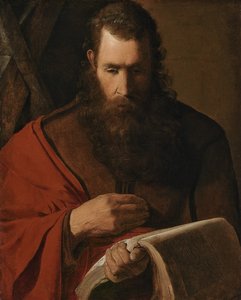
Georges de la Tour
1593 - 1652 , France
Quick Facts
- Artistic Movement Or Style: Baroque, Tenebrism
- Artists Or Movements Influenced By This Artist: ['French Classicism']
- Artists Who Influenced This Artist:
- Caravaggio
- Hendrick Terbrugghen
- Date Of Birth: March 13, 1593
- Date Of Death: 1652
- Full Name: Georges de la Tour
- Nationality: French
- Notable Artworks:
- The Fortune-Teller
- Adoration of Shepherds
- Tears of St. Peter
- St. Joseph Carpenter
- Place Of Birth: Vic-le-Comte, France

