

 Send
Send Share
Share
 Details

 Download
 Similars
 Diaporama
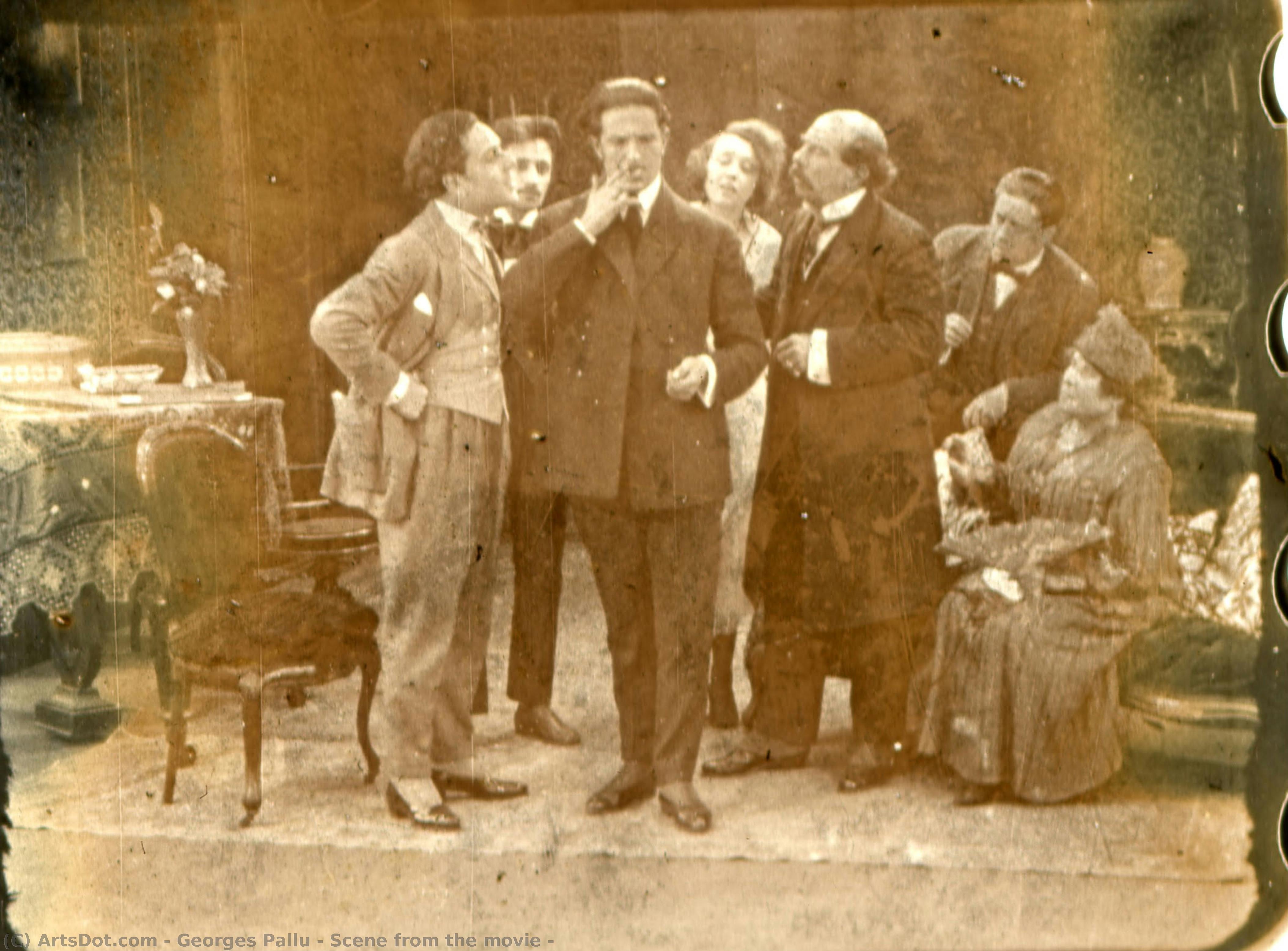
Scene from the movie


 Read More
Hand Made Oil Reproduction
Hand-painted oil on canvas in your size and frame, made to order by our artists. ( Buy Print Buy Image)




































Pick from our preset sizes that match the artwork's original proportions.

You may enter your own dimensions to fit a specific frame or space. If your selected size does not match the original image's proportions, we will either crop the artwork or extend the painting with additional hand-painted elements. A digital mockup will be sent for your approval before production begins.
Please note that the on-screen preview does not reflect the actual cropping or extension. Only the mockup will accurately show the final composition.
While custom sizes are available, we recommend selecting a dimension from the predefined list to preserve the original proportions.
After order, ArtsDot.com team will email client for instructions and provide a mockup preview
Worldwide Delivery () in 3/4 weeks instead of standard 5 weeks. (17 August). No compromise on quality.

Free Worldwide Express Shipping

High-Quality Linen Canvas

Full Shipping Insurance

Customs Tax Refund Guarantee

True Color Matching Guarantee

60-Day Return Policy (Defects Only)

100% Money-Back Guarantee

Bulk Discount Offer
 Glass option is only available in size under 110 CM

Scene from the movie
Reproduction Medium
Reproduction Size
-


Total Price
$ 263
Artwork Description
A Glimpse into the Silent Era: The Social Tapestry of Georges Pallu
In this evocative monochrome capture from 1922, titled Scene from the movie, we are transported back to a vanished era of cinematic elegance and social intimacy. The photograph, captured through the lens of the pioneering French filmmaker Georges Pallu, serves as more than just a film still; it is a window into the communal spirit of the early twentieth century. Within this frame, a group of at least twelve individuals congregates in what appears to be a theater or a grand social hall, their silhouettes and postures weaving a complex narrative of human connection. The composition draws the eye through a layered arrangement of figures, where some stand in the immediate foreground while others recede into the soft shadows of the background, creating a profound sense of depth and atmospheric presence.
The artistry of this piece lies in its ability to freeze a moment of lively, unscripted energy. There is a palpable sense of movement and conversation; one can almost hear the low hum of voices and the clinking of glasses amidst the scattered dining tables. Pallu, a man whose background as a lawyer and secretary instilled in him a meticulous eye for detail, utilizes the stark contrast of black and white to emphasize the textures of the setting. From the delicate silhouette of a vase perched upon a table to the organic softness of a potted plant near the frame's edge, every element contributes to a sense of lived-in reality. The interplay of light and shadow lends a dramatic, almost theatrical quality to the scene, echoing the very medium from which it emerged.
Historical Resonance and Aesthetic Sophistication
To understand this work is to understand the transition of the Belle Époque into the modern age. Georges Pallu, a figure who moved from the structured world of French administration to the experimental frontiers of the Société Film d’Art, brings a unique cinematic vision to this still image. The year 1922 was a period of immense transformation in visual storytelling, and this photograph captures the essence of that transition—where the staged drama of film meets the spontaneous joy of social gathering. For the collector or the interior designer, this piece offers a sophisticated touch of nostalgia, providing a focal point that celebrates the heritage of French cinema and the timeless allure of monochromatic photography.
The emotional impact of the work is one of warmth and shared experience. It does not merely depict a crowd; it invites the viewer to join them. The arrangement of chairs and tables suggests a space designed for lingering, making it an ideal selection for spaces that aim to evoke feelings of hospitality and intellectual engagement. Whether displayed in a contemporary gallery setting or as a centerpiece in a classic study, this reproduction serves as a profound reminder of the beauty found in collective human moments. It is a masterful blend of historical documentation and artistic expression, offering a timeless aesthetic that transcends the era of its creation.
Related Artworks
Artist Biography
Early Life and Unexpected Path
Gabriel Georges Pallu, born in Paris on December 4th, 1869, embarked on a life trajectory that initially seemed far removed from the world of cinema. His early years were steeped in the traditional professions – he trained as a lawyer, served with distinction in the army, and even held the esteemed position of personal secretary to the French Minister for Public Instruction. These experiences, however, instilled within him a keen sense of observation, meticulous attention to detail, and an understanding of human narratives that would later prove invaluable in his cinematic endeavors. The Belle Époque Paris he inhabited was a crucible of artistic ferment, yet Pallu’s early career remained firmly rooted in the established order. It wasn't until around 1909, at the cusp of a new era in visual storytelling, that he tentatively stepped into the nascent film industry, beginning with Société Film d’Art in France. This transition marked not a sudden abandonment of his past, but rather a subtle shift in how he chose to apply his existing skills and sensibilities.The Portuguese Chapter: A Flourishing Career
A pivotal moment arrived in 1918 when Pallu accepted a contract with Invicta Film in Porto, Portugal. This wasn’t merely a change of scenery; it was the catalyst for a remarkably prolific period that defined his career. For six years, until the company's closure in 1924, he served as principal director, immersing himself in the adaptation of Portuguese literary works. Unlike his relatively obscure beginnings in France, Pallu found fertile ground in Portugal, where he directed over forty short and feature films, often simultaneously writing screenplays and overseeing editing. His debut, *A Rosa do Adro* (1919), based on Júlio Dinis’s novel, was an immediate success, earning him the honorary title of Knight of the Order of Christ from the Portuguese President – a testament to his ability to capture the spirit of the nation's literary heritage. He became deeply involved in all aspects of production, even negotiating film sales and procuring equipment, demonstrating a rare combination of artistic vision and practical acumen. Films like *Amor de Perdição* (1921), *Os Fidalgos da Casa Mourisca* (1920), *O Primo Basílio* (1923) and *O Destino* (1922) solidified his reputation as a central figure in Portuguese silent cinema, breathing life into beloved stories for a new audience.Bridging Literary Traditions with Visual Storytelling
Pallu’s strength lay not simply in adaptation but in translation – transforming the nuances of prose and poetry into compelling visual narratives. He possessed an innate understanding of dramatic structure honed by his legal background and a sensitivity to character development cultivated through years of observing human interaction. His films weren't mere reproductions of novels; they were interpretations, imbued with his own artistic sensibility. The romantic and often tragic themes prevalent in Portuguese literature resonated deeply with Pallu’s directorial style, allowing him to explore complex emotions and societal tensions on the screen. He skillfully balanced melodrama with moments of quiet introspection, creating a cinematic language that was both accessible and emotionally resonant. This period also saw him develop a keen eye for location shooting, utilizing the natural beauty of Portugal as an integral part of his storytelling.Return to France and the Dawn of Sound
The mid-1920s brought Pallu back to France, just as the silent era was giving way to the age of sound. He adapted with remarkable agility, embracing the new technology and continuing to direct a steady stream of films throughout the 1930s. Titles such as *L'étrange fiancée* (1930), *La vie merveilleuse de Bernadette* (1929) and *La rose effeuillée* (1937) showcased his versatility, tackling religious dramas, romantic comedies, and stories of social intrigue with equal finesse. While perhaps not achieving the same level of renown as some of his contemporaries, Pallu remained a consistent presence in French cinema, demonstrating an ability to navigate evolving artistic trends while retaining his distinctive narrative voice.Legacy: A Pioneer Across Borders
Georges Pallu’s historical significance lies in his role as a bridge between literary traditions and visual storytelling. He wasn't merely a director; he was a cultural ambassador, bringing Portuguese literature to life on the screen and establishing a foundation for the country’s nascent film industry. His prolific output during his time with Invicta Film remains a testament to his dedication and artistic vision. Though often overlooked in broader histories of cinema, Pallu's work represents a fascinating intersection of national identity, artistic adaptation, and technological innovation. He died on August 31st, 1948, leaving behind a legacy as a pioneering filmmaker who skillfully blended the power of narrative with the magic of the moving image.- Born: Paris, France, December 4th, 1869
- Died: Neuilly-sur-Seine, France, August 31st, 1948
- Notable Films: *A Rosa do Adro* (1919), *Amor de Perdição* (1921), *O Destino* (1922), *La vie merveilleuse de Bernadette* (1929)
- Key Contribution: Pioneering adaptation of Portuguese literature to film.
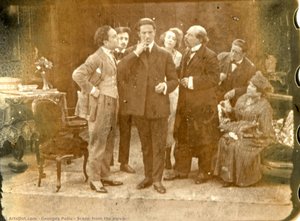
georges pallu
1869 - 1948 , France
Quick Facts
- Artistic Movement Or Style: Silent film, Early cinema
- Date Of Birth: 1869
- Date Of Death: 1948
- Full Name: Gabriel Georges Pallu
- Nationality: French
- Notable Artworks:
- A Rosa do Adro
- O Destino
- L'étrange fiancée
- Place Of Birth: Paris, France
Related Articles

White on Canvas: 10 Masterpieces & Timeless Elegance for Your Home Decor
Explore 10 iconic white paintings by Monet, Whistler & Rothko! Discover the stories behind these serene masterpieces and their impact on art history. Find museum-quality reproductions for your home decor at .

Dark Masterpieces: 10 Iconic Paintings Dominated by Black Tones |
Explore 10 iconic paintings dominated by black tones, from Rembrandt’s chiaroscuro to Goya's dark expressions. Discover the stories behind these masterpieces & find museum-quality art reproductions for your home at .

Monochrome Visions: Exploring the Aesthetic & Historical Significance of Black & White Photography
Explore the rich history & artistic power of black and white photography. From early techniques to iconic masters like Ansel Adams, discover why monochrome continues to captivate art lovers today. Expert insights for collectors.
Echoes of Time: Nostalgia, Technique & Cultural Significance in Vintage Paintings
Explore the captivating world of vintage paintings! Discover key styles, cultural significance & collecting tips from art experts at ArtsDot. Find authentic reproductions and elevate your home décor.
Mars Black Masterpieces: 10 Iconic Paintings & Timeless Art Decor Ideas
Delve into the power of 'Mars Black' with 10 iconic paintings by masters like Rembrandt & Caravaggio. Explore dramatic chiaroscuro, gothic art, and timeless beauty. Find museum-quality reproductions & elevate your home decor on .

