

 Preview
 Send
Send Share
Share
 Details

 Download
 Similars
 X-Ray
X-Ray Diaporama
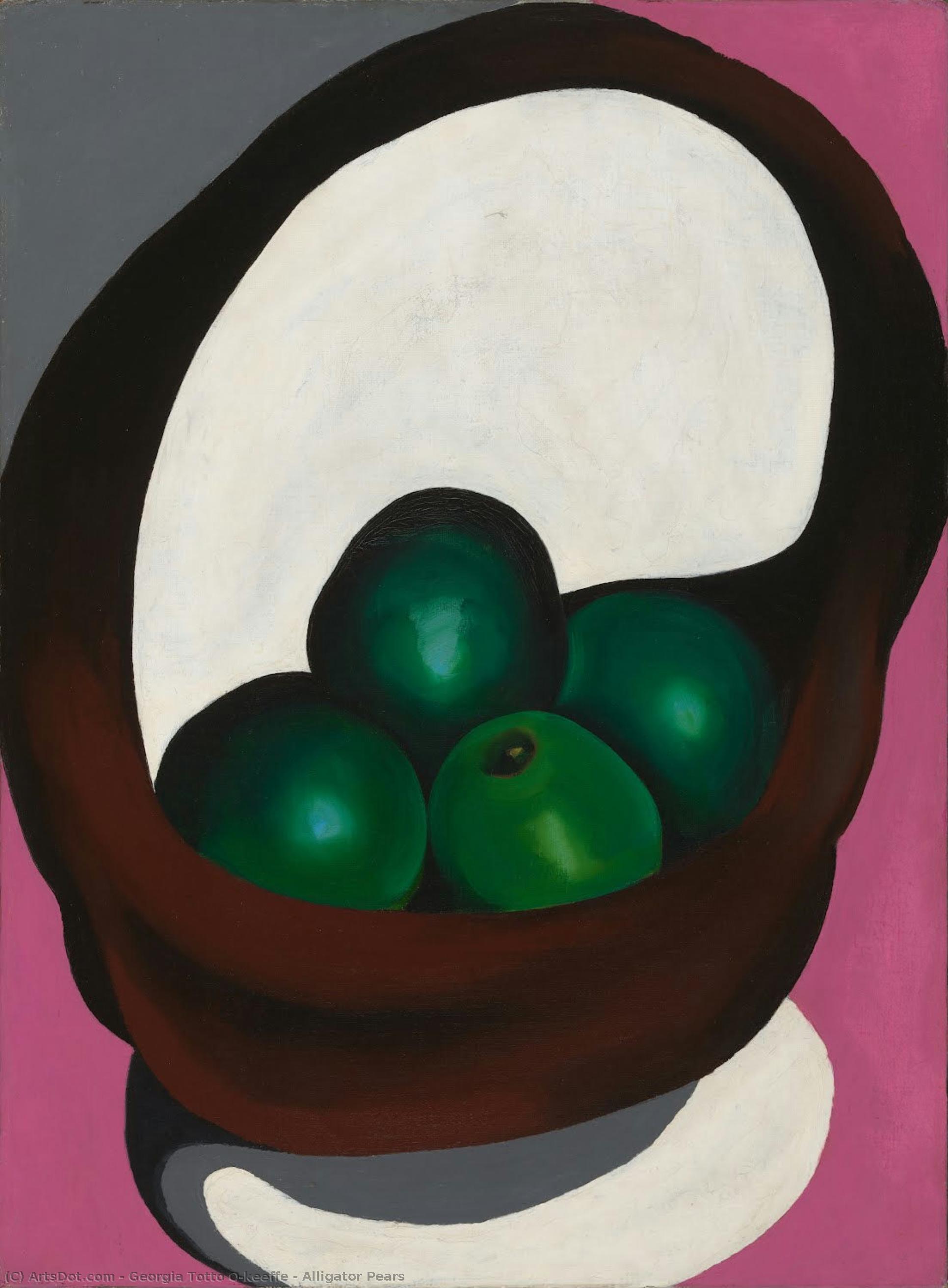
Alligator Pears


 Read More
Purchase a high-resolution, enhanced digital image, far superior to the online preview.
Each file is meticulously prepared by our in-house specialists using advanced tools and expert manual retouching. We ensure every image has exceptional clarity, precise color accuracy, and fine detail.
The final file is delivered via email within 72 hours, optimized for immediate use in professional, editorial, and print environments. This is the same quality trusted by top-tier design studios, publishers, and galleries.
Digital Image
Download a high-resolution file for personal display, printing, and creative projects. ( Buy Print Buy Hand Made Painting)
Included in Every Digital Image Order
Expert Digital Delivery, Guaranteed
When you choose ArtsDot.com, you're not just getting an image - you're receiving a professionally enhanced digital artwork, crafted with precision and backed by a satisfaction guarantee. Here's everything that comes with your order, automatically:

Fast Email Delivery
Your high-resolution digital image file will be emailed to you within 72 hours of ordering - ready for immediate use.

AI-Enhanced Digital File
Your artwork is professionally optimized using advanced AI tools and manual editing, ensuring maximum detail, clarity, and color accuracy.

Free Lifetime Re-Delivery
Accidentally deleted or lost your file? No worries - we'll resend it to you anytime, free of charge.

No Import Fees - Ever
Enjoy your artwork instantly with zero customs, duties, or delivery fees - digital downloads are always tax-free.

Color Accuracy Guarantee
We ensure your digital image reflects the original colors as closely as possible using professional tools and color management.

60-Day Satisfaction Guarantee
If you're not satisfied with your digital image, we'll revise it or refund 100% within 60 days - no questions asked.

100% Money-Back Guarantee
Not satisfied? Get a full refund within 60 days of receiving your digital file - no questions asked.

Bulk Order Discounts
Buy 3 images, save 10% - Buy 5, save 15% - Buy 10+, save 20%. Great for creative projects, galleries, and agencies.
Collectible Description
Georgia O’Keeffe's Alligator Pears: A Study in Quiet Intensity
The painting “Alligator Pears,” created by Georgia O’Keeffe in 1921, stands as a deceptively simple yet profoundly evocative testament to the artist’s signature style—a masterful blend of abstraction and observation rooted deeply in Southwestern landscapes. Captured with meticulous detail, this piece transcends mere representation; it invites contemplation on themes of form, color, and the subtle beauty found within commonplace subjects.Subject Matter and Composition
At first glance, “Alligator Pears” presents a straightforward depiction: a ceramic bowl brimming with ripe pears. However, O’Keeffe doesn't strive for photographic accuracy. Instead, she isolates these fruits against a muted backdrop—likely a creamy beige—allowing the pear shapes themselves to dominate the visual field. The artist’s deliberate cropping emphasizes the contours of the pears and their arrangement within the bowl, creating a dynamic interplay between positive and negative space that draws the eye inward. This compositional choice is characteristic of O'Keeffe’s approach, prioritizing visual impact over literal depiction.Style and Technique: Minimalism Embraced
O’Keeffe’s artistic vision aligns perfectly with the burgeoning modernist movement of the early 20th century. Her technique—primarily watercolor on paper—is remarkably restrained, reflecting Dow's influence. Layers of translucent washes build up to create luminous surfaces that capture the subtle variations in pear color and texture. The artist eschews blending extensively, maintaining crisp edges that accentuate the sculptural quality of the pears. This deliberate lack of ornamentation underscores O’Keeffe’s commitment to conveying emotion through pure form and color—a cornerstone of her artistic philosophy.Historical Context: Southwestern Inspiration
Painted during a period of significant artistic experimentation, “Alligator Pears” embodies the spirit of American Modernism's fascination with geometric abstraction while simultaneously grounding itself in the visual vocabulary of the Southwest. O’Keeffe spent considerable time residing in New Mexico and Arizona during this era, absorbing the arid beauty of cacti blossoms and mesas—elements that would permeate her oeuvre. The bowl itself serves as a symbolic gesture, referencing traditional Pueblo pottery forms and subtly hinting at themes of fertility and abundance.Symbolism: Form Versus Feeling
Beyond its aesthetic qualities, “Alligator Pears” speaks to deeper artistic concerns. O’Keeffe deliberately avoids portraying the pears in a realistic manner; rather, she presents them as stylized representations of their essence—their form and color. This approach aligns with the modernist belief that art should prioritize feeling over factual accuracy. The pear's shape itself is considered by many scholars to symbolize femininity and receptivity, mirroring O’Keeffe’s own artistic persona.Emotional Impact: Quiet Contemplation
Ultimately, “Alligator Pears” succeeds in conveying a profound sense of stillness and contemplation. Its muted palette—primarily shades of green and beige—creates an atmosphere of serene tranquility. The artist's masterful rendering of light and shadow imbues the pears with palpable presence, inviting viewers to engage in a meditative experience. Like many of O’Keeffe’s works, this painting encourages introspection and appreciation for the understated grandeur of nature—a legacy that continues to inspire artists and collectors alike.Related Artworks
Artist Biography
Early Life and Artistic Foundations
Georgia Totto O'Keeffe, a name synonymous with American modernism, emerged from the unassuming landscape of Sun Prairie, Wisconsin, in 1887. Born into a family of Irish and Hungarian descent engaged in dairy farming, young Georgia displayed an artistic inclination early on, deciding by age ten that she would dedicate her life to art. This determination was nurtured through lessons with local watercolorist Sara Mann, followed by formal studies at the School of the Art Institute of Chicago from 1905 to 1906 and later at the University of Virginia. However, it was her encounter with Arthur Wesley Dow’s principles – emphasizing personal expression and a harmonious balance of color and line – that truly ignited her artistic path. Dow's teachings steered O'Keeffe away from strict realism toward a more subjective and emotionally resonant approach to art, an approach that would define her career. These formative years weren’t without their challenges; periods of illness and dissatisfaction led her to temporarily abandon painting, but the creative impulse always drew her back, evolving with each new experience and influence.New York and the Stieglitz Circle
A pivotal moment arrived in 1916 when O'Keeffe’s abstract charcoal drawings were discovered by Alfred Stieglitz, a renowned photographer and art dealer. He exhibited her work without her prior knowledge, sparking a dialogue that would profoundly shape both their lives and the course of American art. Stieglitz recognized an exceptional talent in O'Keeffe, one that resonated with his own modernist sensibilities. He invited her to New York City in 1918, providing not only professional support but also fostering a deep personal connection. Their relationship blossomed into marriage in 1924, creating a dynamic artistic partnership and intellectual exchange. Stieglitz championed O'Keeffe’s work, showcasing it at his gallery “291” and promoting her as a leading figure in the American avant-garde. During this period, she began to develop her signature style – bold, simplified forms and intensely saturated colors – initially expressed through depictions of New York skyscrapers and, most famously, magnified flower paintings. These floral works, often interpreted (though consistently denied by O'Keeffe herself) as veiled representations of female anatomy, challenged conventional notions of beauty and sexuality in art.The Allure of the Southwest
While New York provided a crucial platform for her early success, it was the landscapes of the American Southwest that truly captured O’Keeffe’s imagination and profoundly influenced her artistic vision. Her first visit to New Mexico in 1929 marked the beginning of a lifelong love affair with the region's stark beauty, vibrant colors, and unique cultural heritage. The vastness of the desert, the dramatic rock formations, and the ancient Pueblo architecture resonated deeply within her, inspiring a new series of paintings that reflected the spirit of the land. Works like *Cow’s Skull: Red, White, and Blue* (1931) and *Summer Days* (1936) are powerful testaments to this influence, transforming seemingly mundane objects into iconic symbols of the American West. She eventually settled permanently in New Mexico in 1949 following Stieglitz’s death, establishing a home and studio in Abiquiu that became integral to her artistic process and identity.Legacy and Enduring Influence
Georgia O'Keeffe continued to paint prolifically throughout her life, experimenting with new subjects and pushing the boundaries of abstraction. Her later works included aerial views of clouds and skies, reflecting a fascination with the vastness and ethereal quality of the natural world. She remained fiercely independent and uncompromising in her artistic vision, refusing to be categorized or defined by prevailing art movements. O'Keeffe’s impact on American art is immeasurable. She paved the way for future generations of female artists, challenging societal norms and asserting her own unique voice in a male-dominated field. Her paintings continue to captivate audiences with their bold simplicity, emotional depth, and evocative power. The establishment of the Georgia O'Keeffe Museum in Santa Fe in 1997 further solidified her legacy, preserving her art and providing a space for ongoing scholarship and appreciation. In 2014, *Jimson Weed/White Flower No. 1* sold for $44.4 million, setting a record price for a work by a female artist – a testament to the enduring value and significance of her artistic contribution. O’Keeffe's influence extends beyond painting; she became an icon of American individualism and self-reliance, inspiring countless artists and admirers with her unwavering commitment to her craft and her unique perspective on the world. Her work remains a powerful reminder of the transformative power of art and the enduring beauty of the natural world.Key Works & Museum Presence
- Red Canna: Exemplifies her early exploration of floral abstraction.
- Cow’s Skull: Red, White, and Blue (1931): A powerful symbol of the American Southwest and a meditation on mortality.
- Summer Days (1936): Captures the essence of the New Mexico landscape with its vibrant colors and simplified forms.
- Jimson Weed/White Flower No. 1: A monumental floral painting that showcases her mastery of scale and composition.
- Georgia O'Keeffe Museum (Santa Fe)
- Museum of Modern Art (New York)
- Art Institute of Chicago
- National Gallery of Art (Washington, D.C.)

Georgia O'Keeffe
1887 - 1986 , United States of America
Quick Facts
- Artistic Movement Or Style: Modernism, Precisionism
- Artists Who Influenced This Artist:
- Arthur Wesley Dow
- Alfred Stieglitz
- Date Of Birth: November 15, 1887
- Date Of Death: March 6, 1986
- Full Name: Georgia Totto O'Keeffe
- Nationality: American
- Notable Artworks:
- Red Canna
- Cow's Skull: Red, White, Blue
- Summer Days
- Jimson Weed/White Flower No. 1
- Place Of Birth: Sun Prairie, USA

