

 Preview
 Send
Send Share
Share
 Details

 Download
 Similars
 X-Ray
X-Ray Diaporama
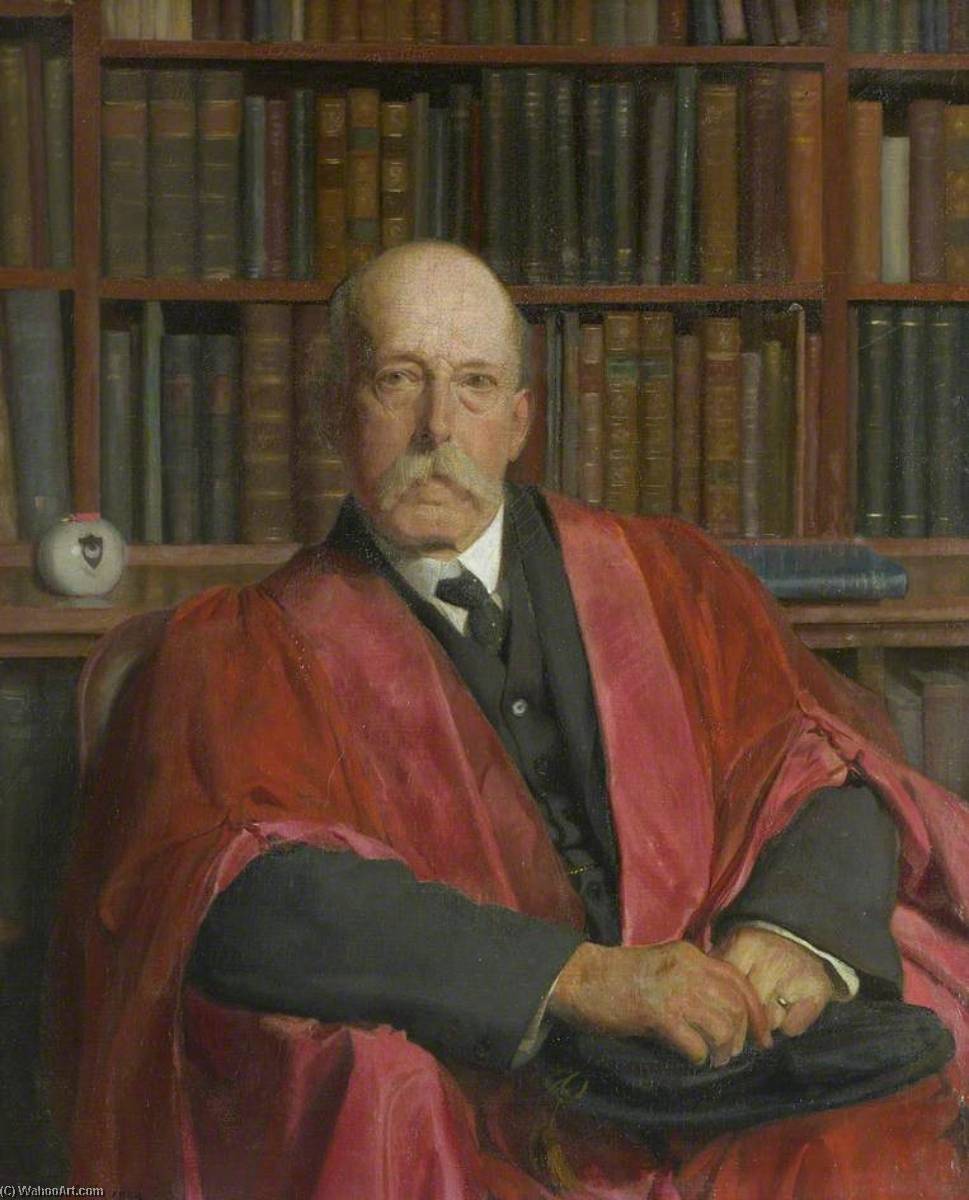
Henry Bond (1853–1938), LLD, Master (1919–1929)
 Oil On Canvas
- WallArt
- Contemporary Realism
 1924
1924 89.0 x 74.0 cm
 Trinity Hall
 Read More
Purchase a high-resolution, enhanced digital image, far superior to the online preview.
Each file is meticulously prepared by our in-house specialists using advanced tools and expert manual retouching. We ensure every image has exceptional clarity, precise color accuracy, and fine detail.
The final file is delivered via email within 72 hours, optimized for immediate use in professional, editorial, and print environments. This is the same quality trusted by top-tier design studios, publishers, and galleries.
Digital Image
Download a high-resolution file for personal display, printing, and creative projects. ( Buy Print Buy Hand Made Painting)
Included in Every Digital Image Order
Expert Digital Delivery, Guaranteed
When you choose ArtsDot.com, you're not just getting an image - you're receiving a professionally enhanced digital artwork, crafted with precision and backed by a satisfaction guarantee. Here's everything that comes with your order, automatically:

Fast Email Delivery
Your high-resolution digital image file will be emailed to you within 72 hours of ordering - ready for immediate use.

AI-Enhanced Digital File
Your artwork is professionally optimized using advanced AI tools and manual editing, ensuring maximum detail, clarity, and color accuracy.

Free Lifetime Re-Delivery
Accidentally deleted or lost your file? No worries - we'll resend it to you anytime, free of charge.

No Import Fees - Ever
Enjoy your artwork instantly with zero customs, duties, or delivery fees - digital downloads are always tax-free.

Color Accuracy Guarantee
We ensure your digital image reflects the original colors as closely as possible using professional tools and color management.

60-Day Satisfaction Guarantee
If you're not satisfied with your digital image, we'll revise it or refund 100% within 60 days - no questions asked.

100% Money-Back Guarantee
Not satisfied? Get a full refund within 60 days of receiving your digital file - no questions asked.

Bulk Order Discounts
Buy 3 images, save 10% - Buy 5, save 15% - Buy 10+, save 20%. Great for creative projects, galleries, and agencies.
Collectible Description
A Portrait of Dignified Contemplation: Exploring Gerald Festus Kelly’s Henry Bond
The artwork “Henry Bond (1853–1938), LLD, Master (1919–1929)” by Sir Gerald Festus Kelly is more than just a depiction of an elderly gentleman; it's a meticulously crafted tableau that encapsulates the spirit of its time and speaks to enduring themes of intellectuality and quiet reflection. Painted in 1924, this oil on canvas portrait resides within Trinity Hall, University of Cambridge, offering viewers a glimpse into the academic world of the early twentieth century. Kelly’s artistic journey began with an instinctive fascination for line—a characteristic honed during his formative years in Paris under the tutelage of James McNeill Whistler—and it informs every brushstroke of this impressive piece. Unlike many portraitists of his era who prioritized opulent embellishment, Kelly opted for a restrained aesthetic, prioritizing clarity and precision to convey not merely appearance but also character. The composition itself is thoughtfully considered: Bond occupies the dominant portion of the frame, positioned slightly off-center to the right, allowing for balanced visual interest. Behind him stretches an expansive bookshelf brimming with leather-bound volumes—a deliberate choice that transcends mere backdrop; it symbolizes knowledge, erudition, and undoubtedly reflects Bond’s scholarly pursuits. The artist skillfully employs perspective to create a sense of depth, drawing the eye into the room and subtly emphasizing the grandeur of Trinity Hall. Light plays a crucial role in shaping the mood, bathing Bond's face in soft illumination while casting delicate shadows that lend texture and dimension to the scene. Kelly’s technique is characterized by layering brushstrokes—a hallmark of Impressionism—to build up form and achieve remarkable realism. The palette leans towards warm hues – reds and browns – fostering an atmosphere of dignified solemnity, mirroring the contemplative gaze of the sitter. Detailed observation of surface textures contributes to the artwork's impact; one can discern the velvety sheen of Bond’s robe, the aged patina of the books, and the subtle contours of his skin—evidence of Kelly’s dedication to capturing the essence of materiality. Beyond its technical mastery, “Henry Bond” resonates with symbolic significance. The bookshelf serves as a visual metaphor for intellectual achievement and lifelong learning, highlighting Bond's position within the esteemed Trinity Hall community. Furthermore, the posture of Bond – seated upright, gazing calmly into the distance—suggests introspection and contemplation, inviting viewers to ponder on themes of wisdom and experience. Kelly’s portrait transcends mere likeness; it aspires to convey a profound understanding of its subject’s inner life, cementing his legacy as one of Britain's most discerning artists. It remains an inspiring example of how art can communicate not just what is seen but also what is felt—a testament to the enduring power of observation and artistic skill.Related Artworks

Artist Biography
Sir Gerald Festus Kelly: A Portraitist of His Time
Sir Gerald Festus Kelly (1879-1972) stands as a significant figure in 20th-century British art, primarily recognized for his elegant and discerning portraits. More than simply capturing likenesses, Kelly’s work offered glimpses into the social fabric of his era, reflecting the personalities and intellectual currents of a vibrant artistic milieu. Born in London to a family steeped in publishing history – his grandfather founded Kelly's Directories – he initially eschewed formal training, embarking on an independent artistic journey that led him to Paris, where he honed his skills under the influence of masters like James McNeill Whistler. This early exposure shaped his meticulous technique and appreciation for line, characteristics that would define his distinctive style.
Kelly’s travels profoundly impacted his artistic vision. Visits to Spain, America, South Africa, and crucially, Burma, ignited a fascination with exotic cultures, particularly the captivating dances of Burmese women. These experiences resulted in a series of evocative paintings that moved beyond mere representation, capturing the grace, dignity, and spiritual depth of these performers – works that remain among his most celebrated achievements.
Early Life & Artistic Foundations
Gerald Festus Kelly’s early life was marked by an unusual blend of privilege and unconventionality. Educated at Eton College and Trinity Hall, Cambridge, he deliberately chose a path outside the traditional academic route, opting instead to immerse himself in the artistic world of Paris. This decision proved pivotal, providing him with invaluable experience and exposure to the latest trends in European art. His family background, however, offered a unique perspective – his father, Frederic Festus Kelly, was a high-ranking official within the British Post Office, and his grandfather, also named Frederic Festus Kelly, had established the influential publishing house, Kelly’s Directories Ltd., a legacy that subtly informed his own career trajectory.
The influence of Whistler is particularly noteworthy. Kelly deeply admired Whistler's emphasis on formal structure and tonal harmony, adopting these principles into his own work. This admiration extended beyond mere stylistic imitation; it reflected a shared belief in the power of art to transcend mere representation and engage with fundamental aesthetic concerns.
A Career Defined by Portraits & Royal Patronage
Kelly’s career truly blossomed in the 1920s, establishing him as one of Britain's foremost portrait painters. He cultivated a network of influential sitters – T.S. Eliot, Ralph Vaughan Williams, and Somerset Maugham among them – each encounter resulting in a unique and insightful portrayal. Maugham, a lifelong friend, even dedicated his novel *Ashenden* to Kelly, acknowledging the artist’s profound impact on his life and work. The portraits of Maugham are particularly notable for their subtle psychological depth, capturing not just the outward appearance but also the character and intellect of the sitter.
His ability to secure royal commissions further elevated his status. He painted numerous members of the Royal Family, including depictions of Princess Sao Ohn Nyunt, a Burmese princess whose captivating beauty and grace inspired a series of stunning works that achieved widespread acclaim. These portraits were reproduced as posters, selling over 50,000 copies and cementing Kelly’s reputation as a master of his craft.
Recognition & Legacy
Kelly's artistic achievements were formally recognized through election to the Royal Academy in 1930, a testament to his skill and standing within the British art world. He served as Keeper of the RA from 1943-45 and later as President from 1949-54, roles that underscored his leadership and influence. Knighted in 1945 for his services to the arts, he continued to exhibit and create throughout his long career, demonstrating an unwavering commitment to his craft until his death in Exmouth in 1972.
Today, Kelly’s work is represented in numerous public collections, including the Tate Gallery, a testament to the enduring quality of his portraits and landscapes. His legacy extends beyond individual paintings; he embodies a particular era of British art – one characterized by elegance, intellectual curiosity, and a deep engagement with the social and cultural landscape of his time.
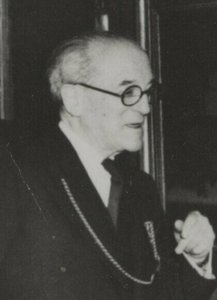
gerald festus kelly
1879 - 1972 , United Kingdom
Quick Facts
- Artistic Movement Or Style: Portraiture
- Artists Or Movements Influenced By This Artist: ['Maugham']
- Artists Who Influenced This Artist: ['James Whistler']
- Date Of Birth: April 9, 1879
- Date Of Death: January 5, 1972
- Full Name: Gerald Festus Kelly
- Nationality: British
- Notable Artworks:
- Jane series
- Burmese dancers
- Place Of Birth: London, United Kingdom

