

 Preview
 Send
Send Share
Share
 Details

 Download
 Similars
 X-Ray
X-Ray Diaporama
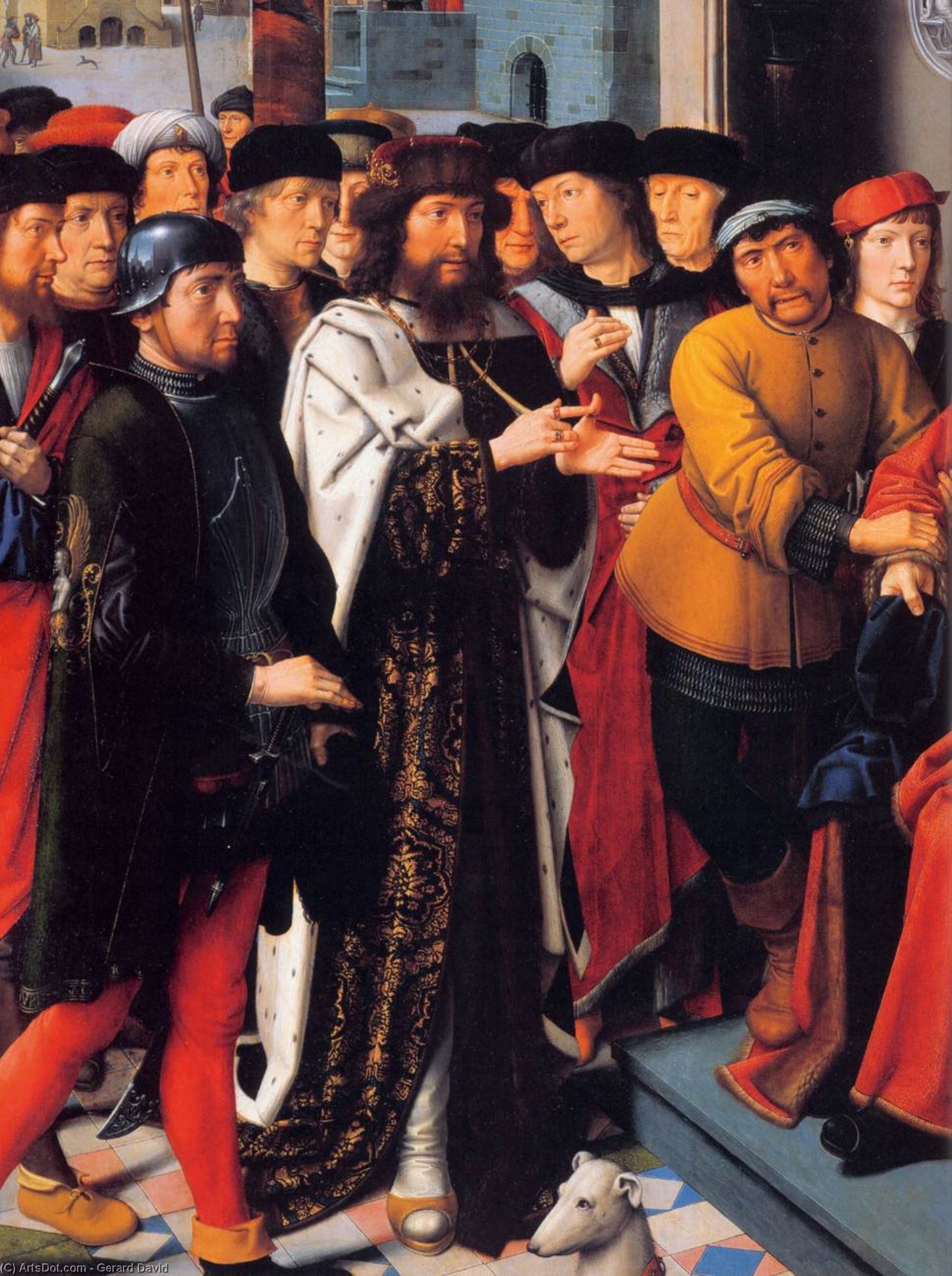
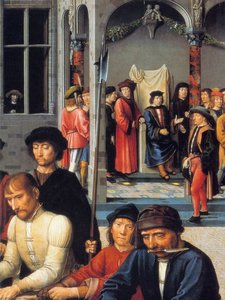
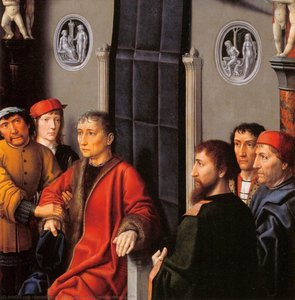
The Judgment of Cambyses (detail)


 Read More
Purchase a high-resolution, enhanced digital image, far superior to the online preview.
Each file is meticulously prepared by our in-house specialists using advanced tools and expert manual retouching. We ensure every image has exceptional clarity, precise color accuracy, and fine detail.
The final file is delivered via email within 72 hours, optimized for immediate use in professional, editorial, and print environments. This is the same quality trusted by top-tier design studios, publishers, and galleries.
Digital Image
Download a high-resolution file for personal display, printing, and creative projects. ( Buy Print Buy Hand Made Painting)
Included in Every Digital Image Order
Expert Digital Delivery, Guaranteed
When you choose ArtsDot.com, you're not just getting an image - you're receiving a professionally enhanced digital artwork, crafted with precision and backed by a satisfaction guarantee. Here's everything that comes with your order, automatically:

Fast Email Delivery
Your high-resolution digital image file will be emailed to you within 72 hours of ordering - ready for immediate use.

AI-Enhanced Digital File
Your artwork is professionally optimized using advanced AI tools and manual editing, ensuring maximum detail, clarity, and color accuracy.

Free Lifetime Re-Delivery
Accidentally deleted or lost your file? No worries - we'll resend it to you anytime, free of charge.

No Import Fees - Ever
Enjoy your artwork instantly with zero customs, duties, or delivery fees - digital downloads are always tax-free.

Color Accuracy Guarantee
We ensure your digital image reflects the original colors as closely as possible using professional tools and color management.

60-Day Satisfaction Guarantee
If you're not satisfied with your digital image, we'll revise it or refund 100% within 60 days - no questions asked.

100% Money-Back Guarantee
Not satisfied? Get a full refund within 60 days of receiving your digital file - no questions asked.

Bulk Order Discounts
Buy 3 images, save 10% - Buy 5, save 15% - Buy 10+, save 20%. Great for creative projects, galleries, and agencies.
Collectible Description
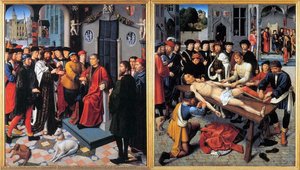
The Judgment of Cambyses: A Frozen Moment of Justice
Gerard David’s “Judgment of Cambyses,” a monumental diptych housed within the Groeningemuseum in Bruges, isn't merely a depiction of a biblical scene; it’s a meticulously crafted tableau of moral consequence, a chillingly beautiful meditation on power, corruption, and the inescapable weight of justice. Painted in 1498 during a pivotal moment of artistic transition – bridging late medieval tradition with the burgeoning ideals of the Early Renaissance – this work offers a rare glimpse into the complex worldview of a master artist grappling with themes of authority, sin, and retribution.
The narrative unfolds from Herodotus’ *Histories*, recounting the brutal punishment inflicted upon the corrupt judge Sisamnes by the Persian king Cambyses. David doesn't shy away from the gruesome details; instead, he presents them with a stark realism that compels the viewer to confront the uncomfortable truth of human fallibility. The scene captures the immediate aftermath of Sisamnes’ flaying – his body stripped bare, exposed to the elements and the judgment of onlookers – yet it’s far more than a simple illustration of violence. It's a carefully orchestrated composition designed to evoke a profound sense of solemnity and moral reckoning.
A Masterclass in Early Netherlandish Technique
David’s genius lies not only in his dramatic subject matter but also in his unparalleled mastery of technique. Executed on richly grained oak panels using the painstaking method of oil painting, the diptych showcases a remarkable level of detail and realism. The artist employs a sophisticated use of *sfumato*, subtly blurring edges and creating an atmospheric haze that lends the scene an almost dreamlike quality. Note the meticulous rendering of textures – the coarse fabric of Sisamnes’ clothing, the smooth sheen of his skin, the rough stone of the architectural backdrop – each element contributing to the overall sense of verisimilitude.
The color palette is predominantly warm and earthy, dominated by ochres, browns, and reds, punctuated by cooler blues and greens. This restrained use of color amplifies the drama of the scene, drawing attention to key figures and emphasizing the stark contrast between light and shadow – a hallmark of *chiaroscuro*, a technique perfected during this period. The lighting, originating from the upper left, casts dramatic shadows that define the forms and textures, creating a powerful sense of depth and volume.
Symbolism Woven into the Fabric of the Scene
Beyond its literal depiction of a historical event, “Judgment of Cambyses” is laden with symbolic meaning. The architectural setting – a partially obscured doorway or archway – suggests a transition from earthly corruption to divine judgment. The figures in the background, representing the onlookers, are rendered as anonymous witnesses, emphasizing the universal nature of sin and the inevitability of accountability. The central figure of Sisamnes himself embodies hubris and moral decay, his posture conveying both despair and resignation.
Crucially, David subtly incorporates elements that connect this ancient tale to contemporary Bruges. The figures in the foreground are dressed in period attire, while the architectural details – a partially visible doorway, for example – reflect the city’s own urban landscape. This deliberate juxtaposition of past and present serves as a potent reminder that moral failings are not confined to specific eras or locations; they are inherent aspects of the human condition.
A Timeless Reflection on Justice and Humanity
“Judgment of Cambyses” remains a profoundly moving work, captivating viewers with its dramatic intensity and psychological depth. It’s more than just a historical painting; it's an enduring meditation on the nature of justice, the consequences of corruption, and the complexities of human morality. David’s ability to capture such profound emotions through meticulous technique and symbolic representation solidifies his place as one of the most significant figures in the Early Netherlandish Renaissance – a master who continues to challenge and inspire us centuries later.
Related Artworks
Artist Biography
A Master of Flemish Light: The Enigmatic World of Gerard David
Gerard David, a name that resonates with the brilliance of early Netherlandish painting, remains an artist shrouded in intriguing mystery. Born around 1460 in Oudewater, Netherlands, his life story is pieced together from fragmented archival records and the eloquent testimony of his art. Unlike some contemporaries whose lives are richly documented, David’s personal narrative is sparse, allowing his paintings to speak volumes where biographical details fall silent. What is known suggests a remarkably successful career, likely managing workshops in both Antwerp and Bruges – centers of artistic innovation during the Renaissance. His reputation experienced an ebb in the 17th century, only to be gloriously resurrected by 19th-century art historians who recognized his unique contributions to the Northern Renaissance. He was inducted as a free master into the Corporation of Imagemakers and Saddlers in Bruges in 1484, marking a pivotal moment in his ascent. His later involvement with the Antwerp guild in 1515 further solidifies his standing within the artistic community.Formative Influences and Artistic Development
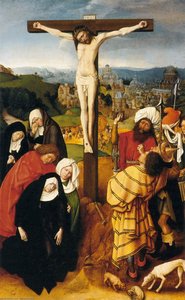
David’s artistic journey began under influences that shaped the very foundation of his style. Early works reveal a clear debt to painters like Jacob Janszoon, Dieric Bouts, and Geertgen tot Sint Jans – masters who instilled in him a meticulous attention to detail and a sensitivity to religious narrative. It is believed he spent time in Haarlem absorbing these lessons before relocating to Bruges, a vibrant hub of artistic exchange attracting talent from across Europe. Here, David encountered the masterpieces of Jan van Eyck, Rogier van der Weyden, and Hans Memling, absorbing their techniques while forging his own distinct path. He didn't merely imitate; he synthesized these influences into something uniquely his own – a style characterized by luminous color, serene compositions, and an increasingly sophisticated understanding of landscape. His early paintings demonstrate this evolution, moving from the doll-like figures reminiscent of Haarlem traditions towards more sculptural forms grounded in their environment. This transition is visible in works like *Christ Nailed to the Cross*, where the influence of Bouts’ spatial construction blends with David's emerging coloristic sensibility.Innovation in Landscape and Religious Narrative
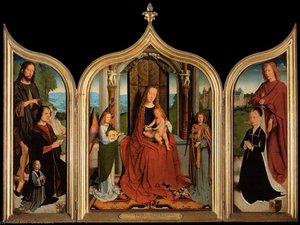
Gerard David’s artistic signature lies in his innovative approach to both landscape and religious subject matter. He wasn't simply depicting backgrounds; he was creating immersive environments that enhanced the emotional resonance of his scenes. His landscapes are not merely decorative, but integral components of the narrative, often imbued with symbolic meaning. This fascination with natural settings – dense forests, rolling hills, expansive skies – set him apart from many of his contemporaries and foreshadowed the development of landscape painting as an independent genre. Consider *View in a Forest*, outer wing of a triptych; it’s not simply a backdrop but a world unto itself, rendered with meticulous detail and atmospheric perspective. Within his religious works, David demonstrated a remarkable ability to convey both profound spirituality and human emotion. Paintings like *The Marriage of St. Catherine* exemplify this skill. The scene is rendered with exquisite detail, yet it's the subtle expressions on the figures' faces – their piety, contemplation, or gentle joy – that truly captivate the viewer. He possessed a gift for imbuing his sacred subjects with a sense of quiet dignity and relatable humanity. The *Triptych of the Madonna Enthroned and Saints* in Genoa showcases this mastery, presenting a harmonious composition filled with vibrant color and delicate detail. His *Virgin Among the Virgins*, donated to the Carmelite nuns of Sion at Bruges, is another testament to his skill, featuring a self-portrait within the painting itself – a rare and intimate gesture from an artist of his time.Legacy and Enduring Influence
Though his fame waned for a period after his death in 1523, Gerard David’s influence on subsequent generations of artists is undeniable. His innovative use of color, his masterful handling of light and shadow, and his pioneering approach to landscape all left an indelible mark on the development of Flemish painting. He paved the way for artists who would further explore the expressive potential of natural settings, such as Jacob Patinir and Jacob van Ruisdael.- A Bridge Between Traditions: David successfully bridged the gap between the late medieval tradition and the emerging Renaissance style.
- Influence on Landscape Painting: His detailed and atmospheric landscapes foreshadowed the development of landscape as a distinct genre.
- Masterful Colorist: He was renowned for his vibrant palette and skillful use of color to create emotional impact.
Exploring Further
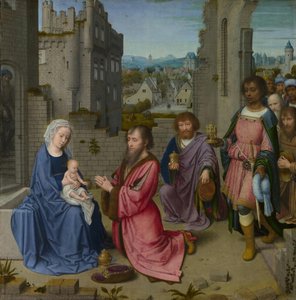
- ArtsDot.com: Discover an extensive collection of Gerard David’s paintings, including *The Adoration of the Magi*.
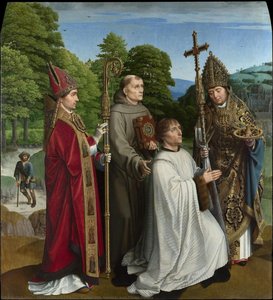
- View in a Forest: Explore this stunning Northern Renaissance landscape painting.
- The Early Netherlandish Art Movement: Delve deeper into the artistic context of David’s work.
Gerard David
1450 - 1523 , Netherlands
Quick Facts
- Artistic Movement Or Style: Early Netherlandish painting
- Artists Or Movements Influenced By This Artist:
- Jacob Patinir
- Jacob van Ruisdael
- Artists Who Influenced This Artist:
- Jacob Janszoon
- Dieric Bouts
- Geertgen tot Sint Jans
- Jan van Eyck
- Rogier van der Weyden
- Hans Memling
- Date Of Birth: c. 1460
- Date Of Death: 1523
- Full Name: Gerard David
- Nationality: Netherlandish
- Notable Artworks:
- The Marriage of St. Catherine
- Triptych of the Madonna Enthroned
- Virgin Among the Virgins
- View in a Forest
- Place Of Birth: Oudewater, Netherlands

