 Preview
 Send
Send Share
Share
 Details

 Download
 Similars
 X-Ray
X-Ray Diaporama
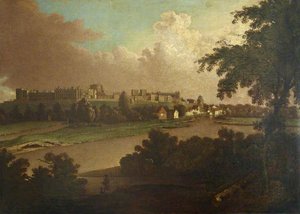
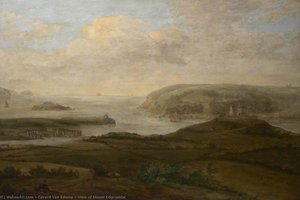
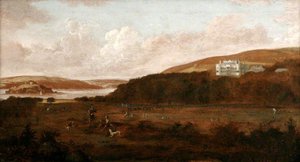
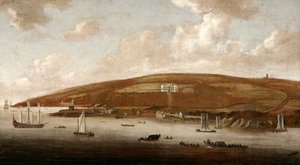
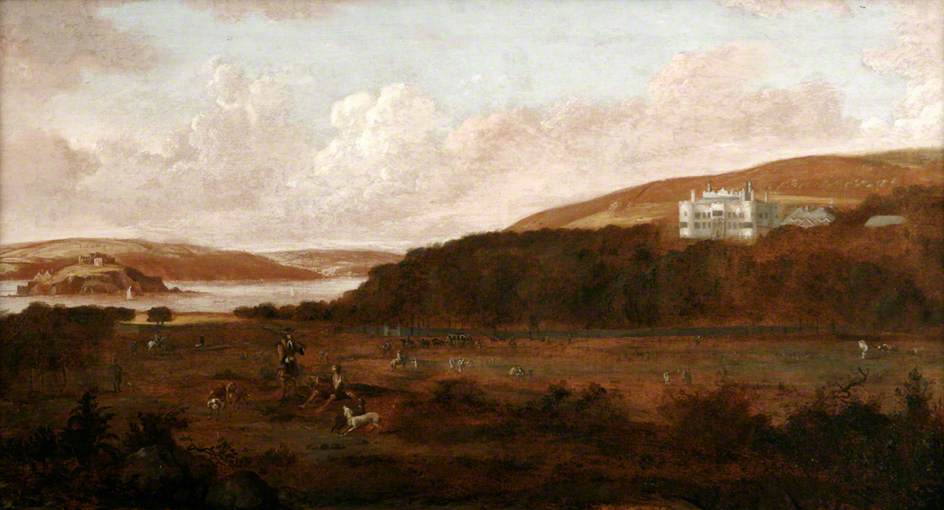
A View of Mount Edgcumbe from Cremyll
 1680
1680 64.0 x 116.0 cm
 Read More
Hand Made Oil Reproduction
Hand-painted oil on canvas in your size and frame, made to order by our artists. ( Buy Print Buy Image)




































Pick from our preset sizes that match the artwork's original proportions.

You may enter your own dimensions to fit a specific frame or space. If your selected size does not match the original image's proportions, we will either crop the artwork or extend the painting with additional hand-painted elements. A digital mockup will be sent for your approval before production begins.
Please note that the on-screen preview does not reflect the actual cropping or extension. Only the mockup will accurately show the final composition.
While custom sizes are available, we recommend selecting a dimension from the predefined list to preserve the original proportions.
After order, ArtsDot.com team will email client for instructions and provide a mockup preview
Worldwide Delivery () in 3/4 weeks instead of standard 5 weeks. (26 August). No compromise on quality.

Free Worldwide Express Shipping

High-Quality Linen Canvas

Full Shipping Insurance

Customs Tax Refund Guarantee

True Color Matching Guarantee

60-Day Return Policy (Defects Only)

100% Money-Back Guarantee

Bulk Discount Offer
 Glass option is only available in size under 110 CM

A View of Mount Edgcumbe from Cremyll
Reproduction Medium
Reproduction Size
-


Total Price
$ 263
Related Artworks









Artist Biography
The Salvator Rosa of the North
In the annals of seventeenth-century landscape painting, few names evoke such a sense of untamed grandeur as Gerard van Edema. Often whispered of in art circles as the "Salvator Rosa of the North," this Dutch master possessed a rare ability to translate the raw, visceral energy of the natural world onto canvas. Born around 1652, likely in Friesland but deeply connected to the vibrant artistic pulse of Amsterdam, Edema’s life was a journey of both geographical and stylistic exploration. His early training under the esteemed Allart van Everdingen proved foundational; from his mentor, he inherited a profound fascination with the dramatic and the sublime. This influence manifested in a predilection for rugged terrains, where jagged rocks and cascading waterfalls served not merely as scenery, but as protagonists in a silent, powerful drama of light and shadow.
Edema’s artistic evolution was inextricably linked to his wanderlust. Unlike many of his contemporaries who remained tethered to the studio, Edema sought the very essence of his subjects through direct encounter. Around 1670, at the height of his youthful vigor, he embarked on a transformative expedition to Norway. This voyage was far more than a mere excursion; it was a rigorous quest for visual truth. He meticulously documented the formidable fjords and towering, snow-dusted peaks of the Scandinavian wilderness, bringing back a collection of sketches and memories that would later define his reputation for capturing "wild and savage" landscapes. His thirst for the unknown eventually led him even further afield, to the lush, colonial expanses of Suriname in Dutch Guiana and the rugged frontiers of Newfoundland. These travels allowed him to introduce a sense of novelty and exoticism to the English art market, presenting vistas that were as much about discovery as they were about artistry.
A Legacy of Light and Adventure
Upon settling in England during the reign of Charles II, Edema found a receptive audience among the nobility and the merchant classes, who were captivated by his ability to depict the strange and the awe-inspiring. His work stood out for its intense chiaroscuro—a technique reminiscent of the Caravaggist tradition—which lent his landscapes an emotional depth and a palpable sense of mystery. While he was a master of the terrain, Edema famously lacked a talent for the precise rendering of human figures and architectural structures. To achieve a complete composition, he often collaborated with skilled contemporaries like Jan Wyck, whose ability to populate these wild settings with life allowed Edema’s dramatic environments to truly breathe.
The historical significance of Gerard van Edema lies in his role as a bridge between the structured Dutch landscape tradition and the burgeoning English interest in the sublime. His paintings were not merely windows into distant lands; they were emotional experiences that mirrored the spirit of exploration defining the era. Though his later years were marked by personal struggles and a lifestyle that eventually led to his untimely death in Richmond around 1700, his impact remained indelible. Today, his works serve as vital historical documents of a period when the boundaries of the known world were being pushed, captured through the eyes of a painter who saw beauty in the most untamed corners of the earth.
gerard van edema
1652 - 1700
Quick Facts
- Artistic Movement Or Style: Romantic Landscape Painting
- Artists Or Movements Influenced By This Artist: ['Salvator Rosa']
- Artists Who Influenced This Artist: ['Allart van Everdingen']
- Date Of Death: c. 1700
- Full Name: Gerard van Edema
- Nationality: Dutch
- Notable Artworks:
- View of Windsor from the River
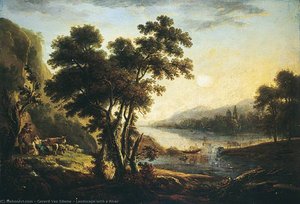
- Landscape with a River
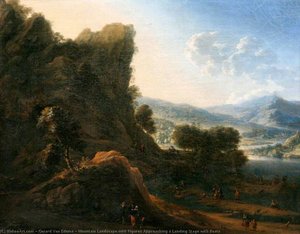
- Mountain Landscape with Figures and a Hawking Party
- Place Of Birth: Amsterdam