 Preview
 Send
Send Share
Share
 Details

 Download
 Similars
 X-Ray
X-Ray Diaporama
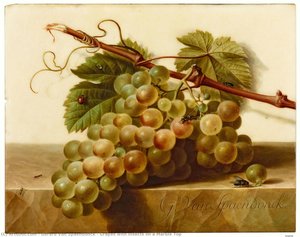
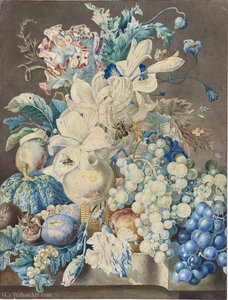
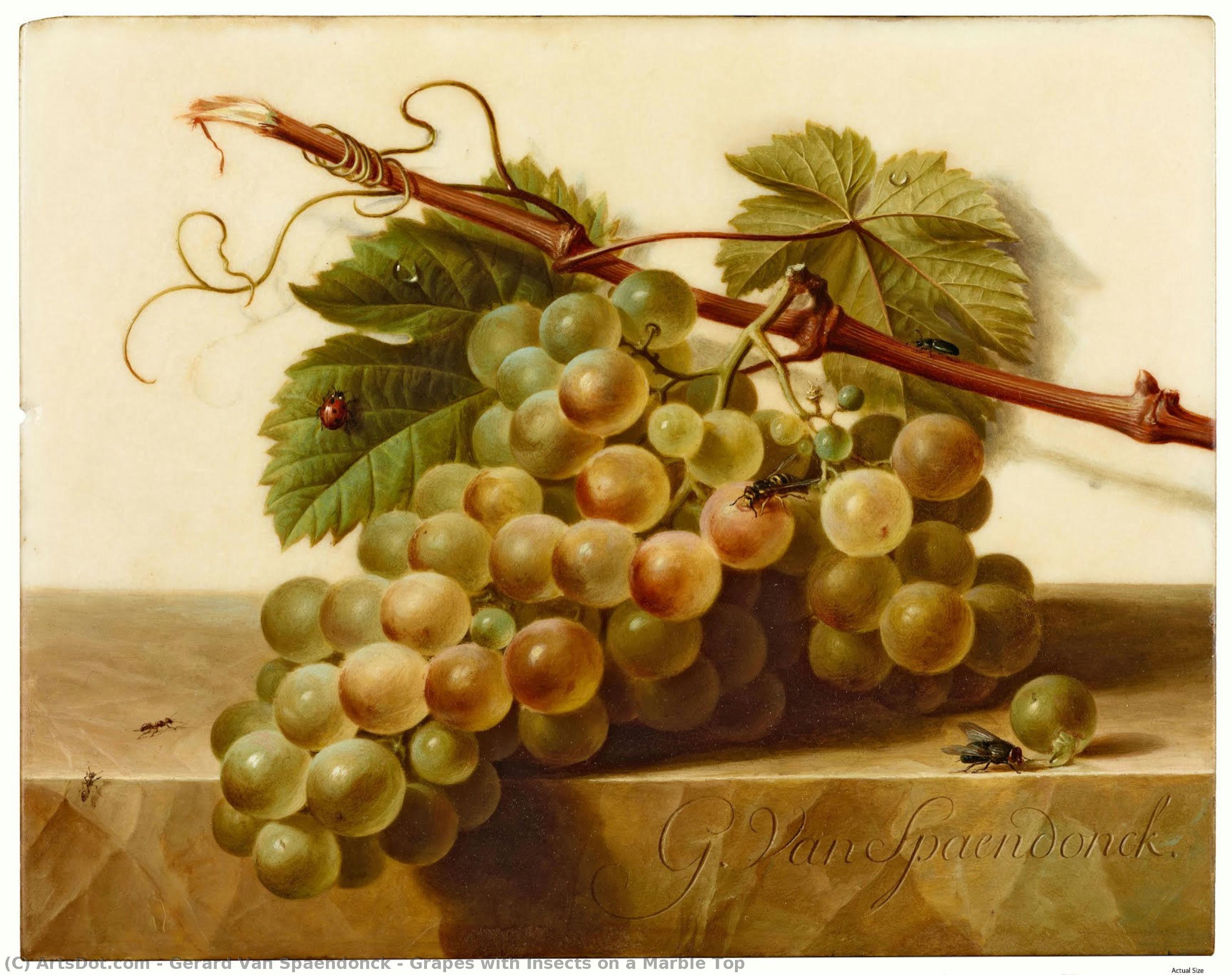
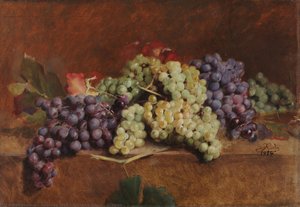
Grapes with Insects on a Marble Top
 Oil
Oil- WallArt
- Rococo
 1791
1791 18.0 x 23.0 cm
 The Frick Collection
 Read More
Hand Made Oil Reproduction
Hand-painted oil on canvas in your size and frame, made to order by our artists. ( Buy Print Buy Image)




P118B $10

P118H $10

P118W $10

P438Z $10

P508JH $12

P508YH $12

P805H $10

P805Z $10

P919BZ $10

P919G $10

P919XJ $10

P959ZH $10

P968JZ $12

W106C $8

W218G $10

W218JH $8

W218Y $10

W307PJ $10

W316G $10

W316PJ $8

W316Y $10

W398PJ $8

W4111J $10

W500HY $15

W500JH $15

W692G $12

W849H $8

W940BG $15

W953PJ $8




Pick from our preset sizes that match the artwork's original proportions.

You may enter your own dimensions to fit a specific frame or space. If your selected size does not match the original image's proportions, we will either crop the artwork or extend the painting with additional hand-painted elements. A digital mockup will be sent for your approval before production begins.
Please note that the on-screen preview does not reflect the actual cropping or extension. Only the mockup will accurately show the final composition.
While custom sizes are available, we recommend selecting a dimension from the predefined list to preserve the original proportions.
After order, ArtsDot.com team will email client for instructions and provide a mockup preview
Worldwide Delivery () in 3/4 weeks instead of standard 5 weeks. (17 August). No compromise on quality.

Free Worldwide Express Shipping

High-Quality Linen Canvas

Full Shipping Insurance

Customs Tax Refund Guarantee

True Color Matching Guarantee

60-Day Return Policy (Defects Only)

100% Money-Back Guarantee

Bulk Discount Offer
 Glass option is only available in size under 110 CM

Grapes with Insects on a Marble Top
Reproduction Medium
Reproduction Size
-


Total Price
$ 263
Artwork Description
A Verdant Bounty: The Allure of Grapes with Insects on a Marble Top
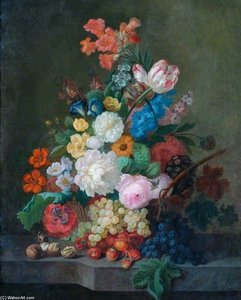
To gaze upon Gerard van Spaendonck's "Grapes with Insects on a Marble Top" is to step into a moment suspended between lush abundance and the quiet drama of natural life. This exquisite still life, dating from 1791, transcends a mere depiction of fruit; it is a vibrant meditation on the cycle of growth, decay, and enduring beauty. The composition immediately draws the eye to the generous clusters of grapes, rendered with an almost palpable weight and ripeness. Some berries blush a deep, velvety purple, hinting at sweetness, while others retain the fresh, hopeful green of early life, creating a beautiful spectrum of color that speaks to the passage of time.
Mastery in Detail: Technique and Composition
Van Spaendonck’s technical prowess is breathtakingly evident here. The artist employs an almost microscopic attention to detail, particularly in the rendering of the grapes themselves—each curve, each dew-kissed surface meticulously observed. This naturalism extends beyond the fruit to encompass the cool, polished expanse of the marble top upon which they rest. The contrast between the organic softness of the foliage and the hard, reflective geometry of the stone is a masterclass in textural juxtaposition. Yet, it is the inclusion of the insects that elevates this piece from simple still life to profound natural study. These tiny inhabitants—resting delicately on the skins or scattered across the marble—are rendered with such verisimilitude that they invite the viewer into an intimate, almost secret viewing experience.
Historical Echoes and Symbolism
Painted during a period of significant artistic transition in late 18th-century Paris, this work carries the weight of academic refinement mixed with burgeoning naturalism. The subject matter itself—fruit overflowing on a luxurious surface—has long been associated with themes of harvest, plenty, and sometimes, the fleeting nature of earthly pleasures. However, by including the insects, Van Spaendonck introduces a subtle layer of symbolism: vanitas. These tiny creatures are reminders that even in moments of peak beauty, life is constantly at work, consuming and transforming. It suggests that true beauty lies not just in perfection, but in the acceptance of nature's full, messy cycle.
Bringing Nature Home: For the Modern Collector
For the contemporary collector or designer seeking to infuse a space with cultured depth and natural vitality, this piece offers unparalleled resonance. The rich palette—the deep purples against the cool grays of the marble, punctuated by vibrant greens—makes it an immediate focal point. Owning a reproduction allows one to possess not just a painting, but a carefully curated moment of pastoral contemplation. It serves as a sophisticated conversation starter, inviting admirers to pause and appreciate the delicate balance between artifice and the wild poetry of nature.
Related Artworks
Artist Biography
Gerard van Spaendonck: A Life in Bloom
Early Life and Education
- Born: 1746 in Tilburg, Netherlands.
- Van Spaendonck came from an artistic family; his younger brother, Cornelis van Spaendonck, also became a successful painter.
- In the 1760s, he began his formal training with decorative painter Willem Jacob Herreyns (also known as Guillaume-Jacques Herreyns) in Antwerp. This early exposure shaped his meticulous attention to detail and refined technique.
Move to Paris and Royal Appointment
- In 1769, Van Spaendonck relocated to Paris, a pivotal move that launched his international career.
- 1774: He was appointed as a miniature painter at the court of Louis XVI, marking a significant step in his recognition and patronage.
- This position allowed him access to aristocratic circles and further refined his skills in delicate floral depictions.
Professor at Jardin des Plantes & Académie Membership
- 1780: Van Spaendonck succeeded Madeleine Françoise Basseporte as professor of floral painting at the prestigious Jardin des Plantes.
- Shortly after, he was elected a member of the Académie des Beaux-Arts, solidifying his status within the French art establishment.
- He became an influential teacher, mentoring notable artists like Pierre-Joseph Redouté and Henriette Vincent.
Artistic Style & Major Works
- Van Spaendonck excelled in both oil painting and watercolor techniques.
- He contributed over fifty works to Les Vélins du Roi, a renowned collection of botanical watercolors commissioned by the French royal family. These pieces demonstrate his exceptional skill in capturing the nuances of floral forms.
- Fleurs Dessinees d'apres Nature (Flowers Drawn from Life): Published between 1799 and 1801, this series of twenty-four engraved plates served as a valuable resource for students of floral painting. It remains a highly treasured book on the subject today.
- His paintings often feature intricate details of flowers alongside insects, adding another layer of naturalism to his compositions.
Recognition and Legacy
- 1788: Appointed as an advisor to the Académie.
- 1795: Became a founding member of the Institut de France.
- 1804: Received the Légion d'honneur and was ennobled by Napoleon Bonaparte, acknowledging his contributions to French art and culture.
- Van Spaendonck died in Paris in 1822 and is buried in Père Lachaise Cemetery.
- Historical Significance: Gerard van Spaendonck’s meticulous botanical illustrations and refined floral paintings played a crucial role in the development of botanical art. His work bridged the gap between scientific accuracy and artistic beauty, influencing generations of artists and botanists alike.
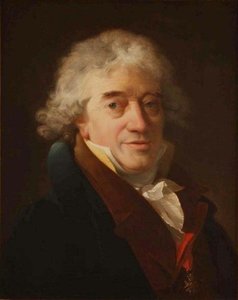
Gerard van Spaendonck
1746 - 1822 , Netherlands
Quick Facts
- Birth Date: 1746
- Birth Place: Tilburg, Netherlands
- Death Date: 1822
- Influenced:
- Pierre-Joseph Redouté
- Henriette Vincent
- Influenced By: Willem Jacob Herreyns
- Movement: Floral painting, Botanical art
- Name: Gerard van Spaendonck
- Nationality: Dutch
- Notable Works: Fleurs Dessinees d'apres Nature
Related Articles
Abraham Hendricksz van Beyeren: Pioneering Dutch Still Life & the Banquet Tradition
Explore the captivating world of Dutch Golden Age still life with Abraham van Beyeren. Discover his innovative techniques, symbolic banquet scenes & lasting influence on art history. Learn about collecting these masterpieces.
The Bountiful Still Life: Symbolism & Artistic Representation of Fruit Across Art History
Explore the rich history of still life painting & the symbolism of fruit across art movements. Discover masterpieces from Caravaggio to Cézanne with ArtsDot – expert guidance & museum-quality reproductions.
The Enduring Appeal of Still Life: A Historical & Contemporary Exploration
Explore the rich history & symbolism of still life painting with ArtsDot. Discover masterpieces from the Dutch Golden Age, learn about vanitas art, and find expert guidance for collecting timeless artworks.

Golden Age Reflections: Dutch Baroque Painting & Cultural Innovation
Explore the Dutch Golden Age of painting! Discover key artists like Vermeer & ter Borch, their innovative techniques, and the rich cultural context behind these Baroque masterpieces. Learn about collecting & appreciating this iconic art period.
Silent Narratives: Exploring the Enduring Appeal of Still Life Painting Across Centuries
Explore the rich history of still life painting with ArtsDot. Discover Dutch Masters, decode vanitas symbolism & learn about collecting timeless art. Expert insights and museum-quality reproductions.