 Preview
 Send
Send Share
Share
 Details

 Download
 Similars
 X-Ray
X-Ray Diaporama
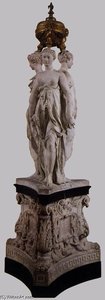
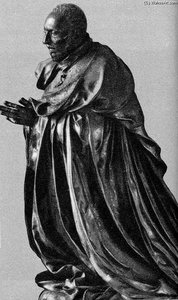
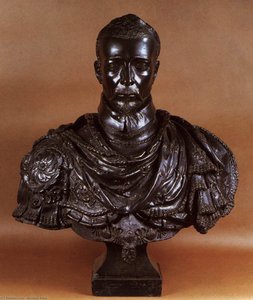
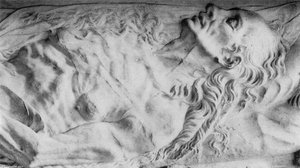
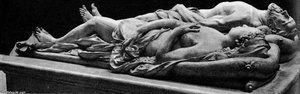
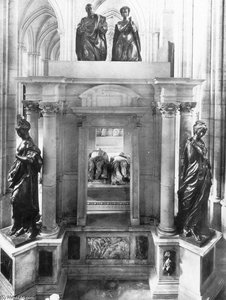
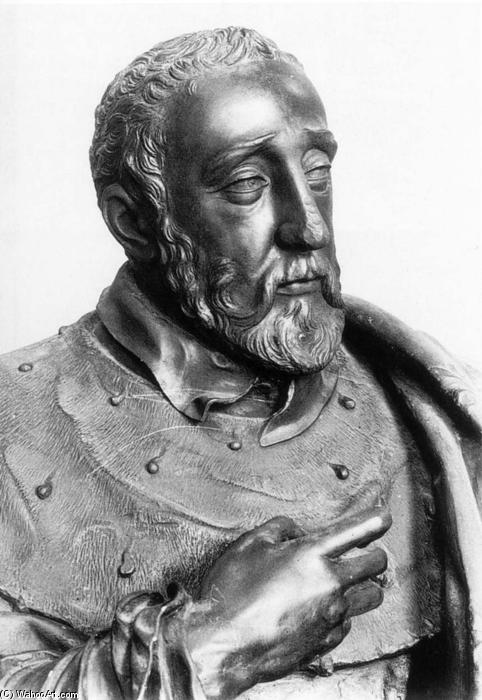
Monument to Henri II and Catherine dei Medici (detail)


 Read More
Hand Made Oil Reproduction
Hand-painted oil on canvas in your size and frame, made to order by our artists. ( Buy Print Buy Image)




P118B $10

P118H $10

P118W $10

P438Z $10

P508JH $12

P508YH $12

P805H $10

P805Z $10

P919BZ $10

P919G $10

P919XJ $10

P959ZH $10

P968JZ $12

W106C $8

W218G $10

W218JH $8

W218Y $10

W307PJ $10

W316G $10

W316PJ $8

W316Y $10

W398PJ $8

W4111J $10

W500HY $15

W500JH $15

W692G $12

W849H $8

W940BG $15

W953PJ $8




Pick from our preset sizes that match the artwork's original proportions.

You may enter your own dimensions to fit a specific frame or space. If your selected size does not match the original image's proportions, we will either crop the artwork or extend the painting with additional hand-painted elements. A digital mockup will be sent for your approval before production begins.
Please note that the on-screen preview does not reflect the actual cropping or extension. Only the mockup will accurately show the final composition.
While custom sizes are available, we recommend selecting a dimension from the predefined list to preserve the original proportions.
After order, ArtsDot.com team will email client for instructions and provide a mockup preview
Worldwide Delivery () in 3/4 weeks instead of standard 5 weeks. (26 August). No compromise on quality.

Free Worldwide Express Shipping

High-Quality Linen Canvas

Full Shipping Insurance

Customs Tax Refund Guarantee

True Color Matching Guarantee

60-Day Return Policy (Defects Only)

100% Money-Back Guarantee

Bulk Discount Offer
 Glass option is only available in size under 110 CM

Monument to Henri II and Catherine dei Medici (detail)
Reproduction Medium
Reproduction Size
-


Total Price
$ 263
Artwork Description
Germain Pilon’s Monument to Henri II and Catherine dei Medici: A Study in Renaissance Emotion
Germain Pilon (1528–1590) stands as a pivotal figure in French Renaissance sculpture, embodying the harmonious blend of Gothic legacy and burgeoning Baroque influence. His oeuvre is characterized by an unparalleled sensitivity to human emotion—a hallmark that shines brilliantly through his magnum opus: ‘Monument to Henri II & Catherine,’ a hauntingly beautiful marble sculpture commissioned for Sainte Chapelle in Paris.
- Subject Matter & Context: The sculpture portrays Henri II and Catherine dei Medici, rulers of France during a turbulent period marked by religious strife and dynastic intrigue. Its creation coincided with the height of humanist ideals—a fervent belief in human reason and observation—which profoundly impacted artistic practice. Pilon’s meticulous depiction captures not merely physical likeness but also conveys an aura of solemn dignity and profound sorrow, reflecting the anxieties surrounding royal succession and papal authority.
- Style & Technique: Executed in black marble – a material chosen for its luminosity and ability to convey depth—the sculpture adheres rigorously to Renaissance sculptural conventions. Pilon’s masterful modeling technique skillfully captures subtle nuances of musculature and drapery folds, demonstrating an astonishing command of anatomical precision. The sculptor employed the Lost Wax Casting method, ensuring exceptional detail and surface finish.
- Composition & Symbolism: The pyramidal composition lends stability to the figures while simultaneously emphasizing their verticality—a deliberate gesture symbolizing spiritual aspiration. Catherine’s posture exudes quiet contemplation, mirroring Henri II's solemn gaze. The drapery cascades downwards, creating a dramatic visual rhythm that underscores the sculpture’s emotional impact. The marble itself symbolizes purity and permanence – qualities deemed essential for representing royalty and commemorating significant historical events.
- Emotional Impact: Pilon’s artistic vision transcends mere representation; he strives to evoke empathy in the viewer. The sculpture's melancholic expression speaks volumes about the burdens of leadership and the fragility of human existence. It serves as a poignant reminder of the complexities inherent in power dynamics and the enduring fascination with portraying psychological states.
- Further Exploration: Examining ‘Monument to Henri II & Catherine’ alongside other sculptures from Sainte Chapelle offers invaluable insight into the broader artistic landscape of the Renaissance. Consider how Pilon's work contributes to the chapel’s narrative of royal piety and its celebration of divine grace – a testament to the transformative power of art in shaping cultural understanding.
Related Artworks


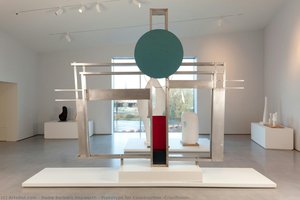

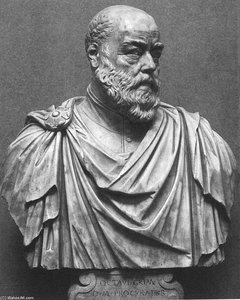
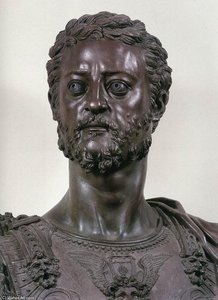
Artist Biography
Germain Pilon (1528–1590): The Sculptor of Emotion and Fontainebleau
Germain Pilon stands as one of the most prominent figures in French Renaissance sculpture, bridging the gap between Gothic tradition and Baroque grandeur. Born around 1525 in Paris—though recent scholarship suggests a birth year closer to 1528—he inherited his artistic talent from his father, Antoine Pilon, who established a workshop specializing in sculptural commissions. This familial legacy profoundly shaped Pilon’s formative years, immersing him in the techniques and aesthetics of the era. Early documentation indicates collaborative projects with his father on monumental religious statues and tomb effigies, demonstrating an immediate engagement with the prevailing artistic currents of the time.- Early Training & Collaboration: Antoine Pilon's workshop provided Pilon with invaluable experience in crafting stone sculptures, fostering a mastery that would define his entire career. The collaborative endeavors showcased a keen understanding of sculptural craftsmanship and established a foundation for future achievements.
- The Fontainebleau School Influence: Like many sculptors of his generation, Pilon was deeply impacted by the Fontainebleau School—Michelangelo’s workshop—which championed anatomical accuracy and theatrical emotion. This influence is palpable in his subsequent works, where figures are rendered with remarkable realism and imbued with expressive gestures that convey profound psychological depth.
Notable Commissions & Artistic Style
Pilon quickly gained recognition for his exceptional skill and artistic vision. His involvement in the decoration of Francis I’s tomb at Saint-Denis—a project undertaken alongside Jean Goujon—marked a pivotal moment, solidifying his reputation as one of France's foremost sculptors. This monumental undertaking exemplifies Pilon’s commitment to capturing the grandeur and solemnity of religious iconography while simultaneously exploring innovative sculptural techniques. Subsequent commissions included Henry II’s tomb at Saint-Denis (completed in 1564), a testament to his ability to translate complex narratives into compelling visual representations.- Saint Denis Tomb: The Saint Denis Tomb is considered one of Pilon's masterpieces, showcasing his mastery of marble carving and embodying the Fontainebleau School’s emphasis on anatomical precision and dramatic emotion.
- Diana & Stag Relief: The Diana and Stag relief—commissioned for Diane de Poitiers—is a striking example of Pilon’s sculptural style, characterized by rough textures and expressive poses that convey a sense of dynamism and psychological intensity.
Major Achievements & Legacy
Pilon's contribution to French art extended beyond monumental tombs; he excelled in portrait sculpture and medal design, producing evocative representations of royalty and nobility. His bronze busts of Henry II and Catherine de Medici—particularly the latter—remain iconic symbols of Renaissance elegance and artistic accomplishment. Furthermore, Pilon’s involvement with Pierre Bontemps fostered a collaborative spirit that enriched the artistic landscape of Paris during his lifetime. He became renowned for his ability to capture the essence of human emotion within sculpted form, establishing himself as a champion of Mannerist aesthetics. His influence can be seen in subsequent generations of sculptors who embraced realism and theatricality—a legacy that continues to inspire admiration and scholarly study today.Key Works
- Resurrection of Christ (Louvre)
- Diana with a Stag (Louvre)
- Tomb of Henry II and Catherine de Medici (Saint-Denis Basilica)
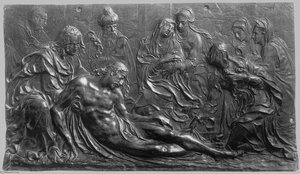
- The Lamentation (Bronze Sculpture)
Germain Pilon’s sculptures stand as enduring monuments to the Renaissance spirit—a testament to artistic innovation, technical virtuosity, and a profound engagement with human emotion.
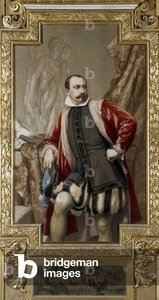
Germain Pilon
1528 - 1590 , France
Quick Facts
- Artistic Movement Or Style: Mannerist
- Artists Or Movements Influenced By This Artist: ['Renaissance Sculpture']
- Artists Who Influenced This Artist:
- Michelangelo
- Fontainebleau School
- Date Of Birth: c. 1525
- Date Of Death: 1590
- Full Name: Germain Pilon
- Nationality: French
- Notable Artworks:
- Resurrection of Christ
- Diana with a Stag
- Henry II and Catherine de Medici Tomb
- Place Of Birth: Paris, France
Related Articles

Henri Matisse's Masterpieces: Explore 25 Iconic Paintings & Art Decor Ideas
Journey through Henri Matisse's 25 most iconic paintings! Explore Fauvism, vibrant colors & the stories behind masterpieces like 'The Dance'. Find museum-quality art reproductions and curated decor ideas to elevate your space. Discover all masterpieces on ArtsDot.com.

Bronze Sculptures That Defined Art History | ArtsDot
Journey through art history with our Top 10 bronze sculptures! Explore masterpieces by Rodin, Michelangelo & more. Discover stories behind iconic statues and find museum-quality reproductions for your home decor at ArtsDot.com.

The Enduring Form: Exploring Themes & Techniques in Sculpture Across Historical Periods
Explore the rich history of sculpture from ancient masterpieces to contemporary innovations. Discover key techniques, influential artists & investment potential for discerning art collectors.
Henry Moore: Sculpting Modernity – Form, Emotion & the Human Condition
Explore the revolutionary sculptures of Henry Moore – abstract forms, reclining figures & powerful expressions of the human condition. Discover his legacy & artistic process with ArtsDot.

The Enduring Form: Sculpture Across History, Technique & Emotional Resonance
Explore the rich history of sculpture with ArtsDot. Discover key techniques, influential artists & investment potential for discerning collectors. Expert insights into valuing and collecting timeless masterpieces.