 Preview
 Send
Send Share
Share
 Details

 Download
 Similars
 X-Ray
X-Ray Diaporama
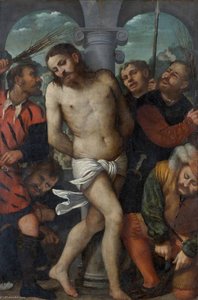
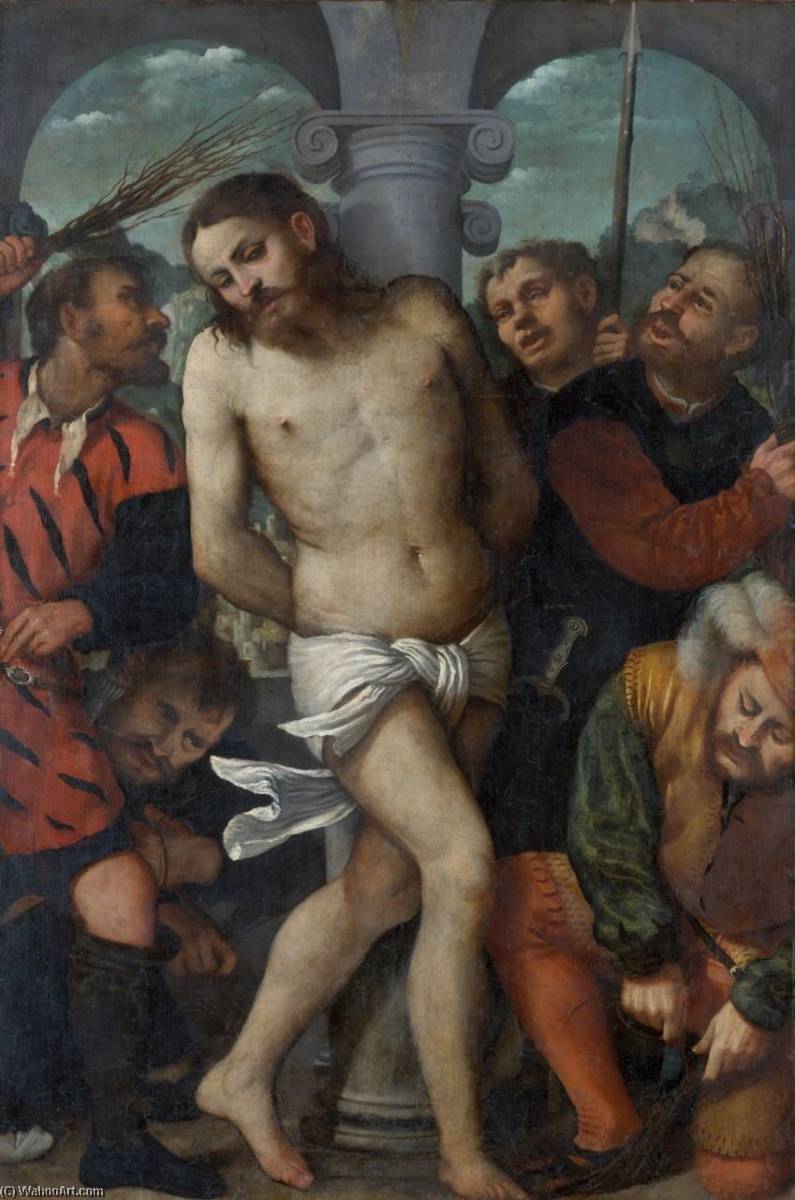
The Flagellation
 1540
1540 180.0 x 127.0 cm
 Read More
Hand Made Oil Reproduction
Hand-painted oil on canvas in your size and frame, made to order by our artists. ( Buy Print Buy Image)




































Pick from our preset sizes that match the artwork's original proportions.

You may enter your own dimensions to fit a specific frame or space. If your selected size does not match the original image's proportions, we will either crop the artwork or extend the painting with additional hand-painted elements. A digital mockup will be sent for your approval before production begins.
Please note that the on-screen preview does not reflect the actual cropping or extension. Only the mockup will accurately show the final composition.
While custom sizes are available, we recommend selecting a dimension from the predefined list to preserve the original proportions.
After order, ArtsDot.com team will email client for instructions and provide a mockup preview
Worldwide Delivery () in 3/4 weeks instead of standard 5 weeks. (17 August). No compromise on quality.

Free Worldwide Express Shipping

High-Quality Linen Canvas

Full Shipping Insurance

Customs Tax Refund Guarantee

True Color Matching Guarantee

60-Day Return Policy (Defects Only)

100% Money-Back Guarantee

Bulk Discount Offer
 Glass option is only available in size under 110 CM

The Flagellation
Reproduction Medium
Reproduction Size
-


Total Price
$ 263
Related Artworks
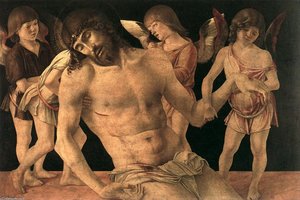
Artist Biography
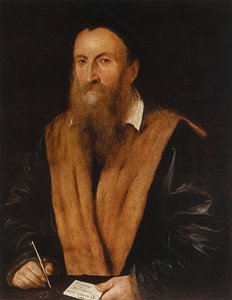
A Lombard Master of Dramatic Emotion: The Life and Art of Gerolamo Romanino
Gerolamo Romanino, a name perhaps less instantly recognizable than those of his High Renaissance contemporaries like Leonardo or Michelangelo, nevertheless occupies a vital position in the artistic landscape of 16th-century Italy. Born in Brescia – though precise dates remain elusive – Romanino emerged as one of the most compelling and emotionally charged painters of the Lombard school. His career unfolded during a period of significant political upheaval and religious ferment, factors that profoundly shaped his distinctive style. While biographical details are scarce, piecing together the fragments reveals an artist deeply engaged with both the classical traditions and the burgeoning humanism of his time, yet ultimately forging a path uniquely his own. He was known under several variations of his name: Girolamo Di Romano, Girolamo Romani, Girolamo Rumani, and Hieronymus De Brescia, reflecting the regional nuances of artistic attribution in that era.Early Influences and Artistic Development
Romanino’s early training remains somewhat shrouded in mystery. It is believed he initially worked alongside his father, Giovanni Battista Romanino, also a painter, absorbing the fundamentals of technique and composition. However, the young artist quickly outgrew these familial influences, seeking broader inspiration from the artistic currents flowing through Northern Italy. The impact of Mantegna’s powerful draftsmanship and dramatic perspective is evident in Romanino's early works, as is the influence of Leonardo da Vinci’s *sfumato* technique – though Romanino adapted these lessons to his own expressive ends. He travelled extensively throughout Lombardy, absorbing the styles of artists like Bramante and Raphael, but never simply imitated them. Instead, he synthesized these diverse influences into a uniquely personal language characterized by robust figures, intense psychological realism, and a striking use of color. His early commissions often involved altarpieces for churches in Brescia and surrounding areas, allowing him to hone his skills in narrative storytelling and religious iconography.The Power of Narrative: Romanino’s Mature Style
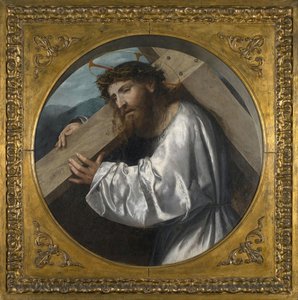
Romanino's mature style is defined by a remarkable ability to convey profound emotional depth through powerfully rendered figures and dynamic compositions. He eschewed the idealized beauty favored by many High Renaissance artists, instead focusing on portraying human subjects with unflinching realism – often depicting them as weathered, expressive individuals grappling with intense spiritual or physical suffering. This commitment to psychological truth is particularly evident in his depictions of biblical scenes. His *Christ Carrying the Cross*, for example, is not a serene portrayal of divine sacrifice but a harrowing depiction of pain, exhaustion, and human vulnerability. The figures are monumental yet deeply relatable, their faces etched with anguish and determination. He was a master of fresco painting, undertaking large-scale decorative schemes in churches and palaces throughout Lombardy. These frescoes, often characterized by bold colors and dramatic chiaroscuro, transformed architectural spaces into immersive environments that powerfully communicated religious narratives to the faithful. His use of color wasn’t merely descriptive; it served as a potent tool for conveying mood and emotion.Major Achievements and Fresco Cycles
Romanino's most significant achievements lie in his ambitious fresco cycles, which stand as testaments to his artistic vision and technical prowess. The frescoes at the Santa Maria della Stella in Brescia are particularly noteworthy, depicting scenes from the life of the Virgin Mary with a raw emotional intensity that sets them apart from contemporary works. The cycle at the Palazzo Martinengo in Brescia showcases Romanino’s skill in secular portraiture and historical narrative. These commissions demonstrate his versatility as an artist capable of handling both religious and civic subjects with equal mastery. Another important work is found in the church of San Lorenzo in Pisogne, where he created a series of frescoes that are considered among his most innovative and expressive achievements. He also undertook significant projects at churches in Bergamo and other Lombard cities, leaving behind a rich legacy of devotional art that continues to inspire awe and admiration.Historical Significance and Legacy
Gerolamo Romanino’s work represents a crucial bridge between the High Renaissance and the emerging Mannerist style. While deeply rooted in classical traditions, his emphasis on emotional intensity, dramatic realism, and unconventional compositions foreshadowed the stylistic innovations of later artists like Titian and Veronese. He was instrumental in establishing a distinct Lombard school of painting characterized by its robust figures, bold colors, and psychological depth. Although he did not enjoy the same level of widespread fame as some of his contemporaries during his lifetime, Romanino’s influence on subsequent generations of artists is undeniable. His frescoes continue to be studied and admired for their technical brilliance and emotional power, cementing his position as a Lombard master whose work embodies the spirit of the Renaissance – a period defined by both intellectual inquiry and profound artistic expression.- His paintings offer a unique window into the religious and cultural landscape of 16th-century Italy.
- Romanino’s emphasis on realism paved the way for later developments in portraiture and genre painting.
- The dramatic intensity of his frescoes continues to resonate with viewers today, making him one of the most compelling artists of the High Renaissance.
Quick Facts
- Artistic Movement Or Style: Renaissance
- Artists Or Movements Influenced By This Artist: ['Baroque']
- Artists Who Influenced This Artist: ['Venetian Art']
- Date Of Birth: *c.*1484
- Date Of Death: *c.*1562
- Full Name: Girolamo di Romano
- Nationality: Italian
- Notable Artworks:
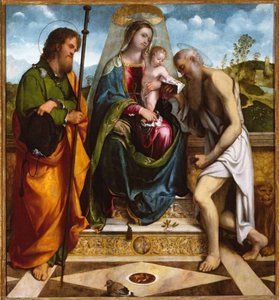
- Madonna and Child with Saints
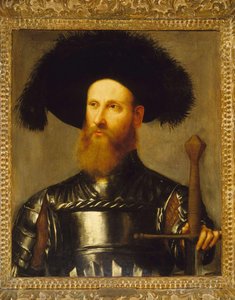
- Portrait of a Man in Armor
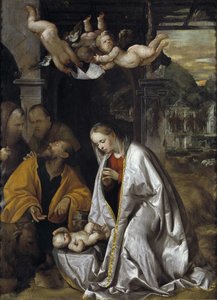
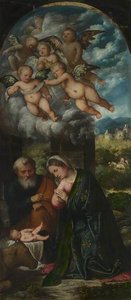
- Nativity
- St. Matthew and the Angel
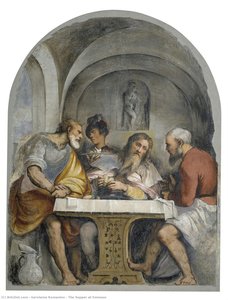
- Christ at Emmaus
- Place Of Birth: Brescia, Republic of Venice