 Preview
 Send
Send Share
Share
 Details

 Download
 Similars
 X-Ray
X-Ray Diaporama
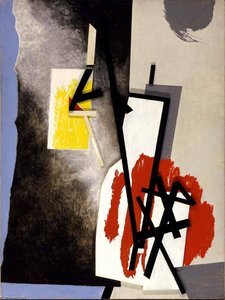
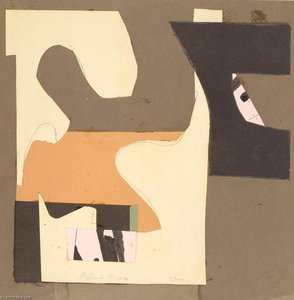
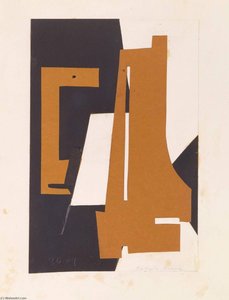
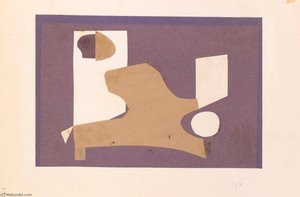
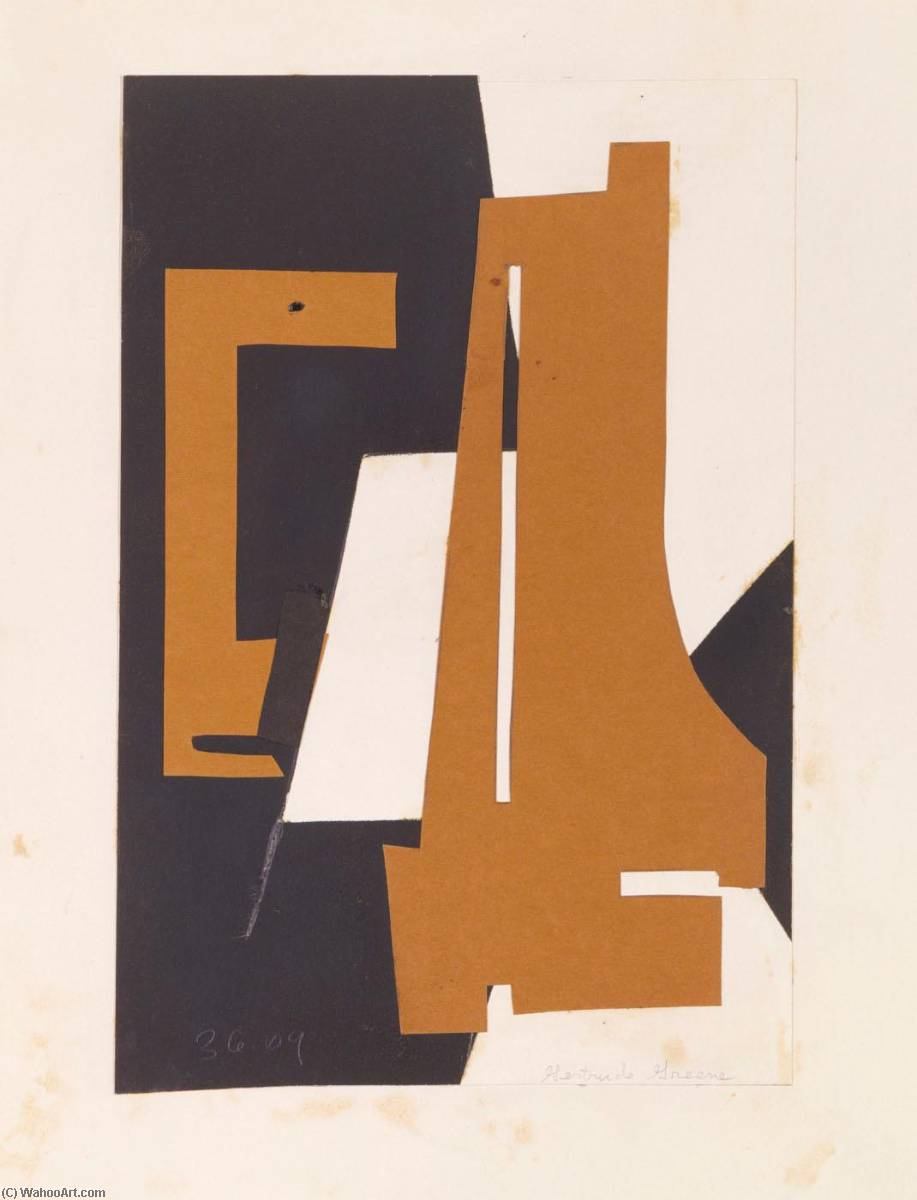
Untitled (36 09)
 1936
1936 31.0 x 20.0 cm
 Read More
Hand Made Oil Reproduction
Hand-painted oil on canvas in your size and frame, made to order by our artists. ( Buy Print Buy Image)




































Pick from our preset sizes that match the artwork's original proportions.

You may enter your own dimensions to fit a specific frame or space. If your selected size does not match the original image's proportions, we will either crop the artwork or extend the painting with additional hand-painted elements. A digital mockup will be sent for your approval before production begins.
Please note that the on-screen preview does not reflect the actual cropping or extension. Only the mockup will accurately show the final composition.
While custom sizes are available, we recommend selecting a dimension from the predefined list to preserve the original proportions.
After order, ArtsDot.com team will email client for instructions and provide a mockup preview
Worldwide Delivery () in 3/4 weeks instead of standard 5 weeks. (17 August). No compromise on quality.

Free Worldwide Express Shipping

High-Quality Linen Canvas

Full Shipping Insurance

Customs Tax Refund Guarantee

True Color Matching Guarantee

60-Day Return Policy (Defects Only)

100% Money-Back Guarantee

Bulk Discount Offer
 Glass option is only available in size under 110 CM

Untitled (36 09)
Reproduction Medium
Reproduction Size
-


Total Price
$ 263
Related Artworks

Artist Biography
Gertrude Greene: Architect of Abstract Space
Gertrude Greene (1904-1956) wasn’t merely an artist; she was a pioneer, a quiet revolutionary who reshaped the landscape of American abstract art. Born into a family with roots in Brooklyn's bustling commercial world – her parents owned a department store – Greene initially pursued sculpture at the Leonardo da Vinci Art School, absorbing the foundational techniques while simultaneously seeking a new language for expression. It wasn’t through grand pronouncements or overt political statements that she communicated; rather, through meticulously constructed geometric forms and subtly shifting spatial relationships, she invited viewers into a realm of pure abstraction, profoundly influenced by the burgeoning Constructivist movement in Russia.
Her early years were marked by a deliberate rejection of representational art. Inspired by figures like Piet Mondrian and the rigorous principles of Russian Constructivism – championed by artists like Naum Gabo and Vladimir Tatlin – Greene sought to distill form down to its essential elements, believing that through this process, art could transcend mere imitation and become a vehicle for exploring fundamental truths about space and structure. This pursuit led her to abandon traditional relief sculpture in favor of painting, where she continued to refine her geometric vocabulary, layering planes and manipulating perspective with an almost architectural precision.
A Marriage of Art and Activism
Greene’s artistic journey was inextricably linked to her political convictions. A committed leftist, she actively participated in the burgeoning artists' union movement, advocating for federal support for unemployed artists during the Depression. She wasn’t content with simply creating art; she sought to use it as a tool for social change, believing that abstract art could challenge conventional notions of beauty and pave the way for a more rational and equitable society. This commitment manifested in her involvement with the American Abstract Artists (AAA), where she served as their first paid employee, diligently organizing exhibitions and advocating for the recognition of abstract art within the established art world.
Her activism extended beyond the confines of the AAA. Greene actively challenged the prevailing prejudices against abstraction, engaging in demonstrations and picketing museums that refused to exhibit works by her contemporaries. She understood that acceptance wasn’t simply a matter of artistic merit; it required a fundamental shift in public perception – a willingness to embrace the unfamiliar and challenge established norms. Her unwavering dedication earned her respect within the avant-garde community and solidified her position as a key figure in the development of American abstract art.
The Language of Geometry
Greene’s artistic style evolved over time, reflecting both her theoretical explorations and her engagement with contemporary trends. Initially influenced by Mondrian's reductive geometric forms, she gradually incorporated elements of Constructivism – particularly the use of layering and spatial ambiguity – into her work. By the mid-1940s, her paintings exhibited a remarkable balance between these two influences, creating compositions that were both rigorously structured and imbued with a sense of dynamic tension. Her later works, characterized by gestural areas of color, retained a fundamental geometric underpinning while expressing a deeper emotional resonance.
Works like “Construction 1946” exemplify this evolution. The piece isn’t simply a collection of shapes; it's an exploration of spatial relationships, a carefully orchestrated arrangement of lines and planes that invites the viewer to contemplate the fundamental principles of form and structure. The subtle shifts in perspective and the interplay of light and shadow create a sense of depth and movement, transforming the canvas into a miniature architectural space.
Legacy and Recognition
Despite facing significant challenges within an art world often resistant to abstraction, Gertrude Greene left an indelible mark on American abstract art. Her pioneering work helped to establish the foundations for subsequent generations of artists who embraced non-objective forms and explored the expressive potential of geometric abstraction. Her commitment to social justice and her unwavering belief in the power of art as a force for change continue to inspire artists today.
Today, Greene’s paintings are held in prestigious collections across the United States, including those of the Museum of Modern Art, the Brooklyn Museum, and the Philadelphia Museum of Art. Her work is celebrated not only for its formal innovation but also for its quiet dignity and profound sense of space – a testament to the vision of an artist who dared to challenge convention and forge her own path in the realm of abstract art.
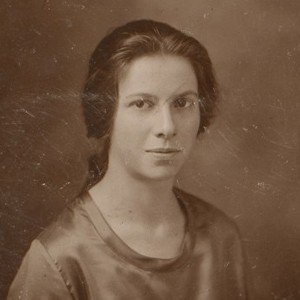
gertrude greene
1904 - 1956
Quick Facts
- Artistic Movement Or Style: Abstract sculpture/painting
- Artists Or Movements Influenced By This Artist:
- Cubism
- Constructivism
- Neo-Plasticism
- Artists Who Influenced This Artist:
- Mondrian
- Pevsner
- Gabo
- Tatlin
- Date Of Birth: 1904
- Date Of Death: 1956
- Full Name: Gertrude Glass Greene
- Nationality: American
- Notable Artworks:
- Untitled (37 011)
- Construction 1946
- Untitled (37 015)
- Place Of Birth: New York City, USA