

 Preview
 Send
Send Share
Share
 Details

 Download
 Similars
 X-Ray
X-Ray Diaporama
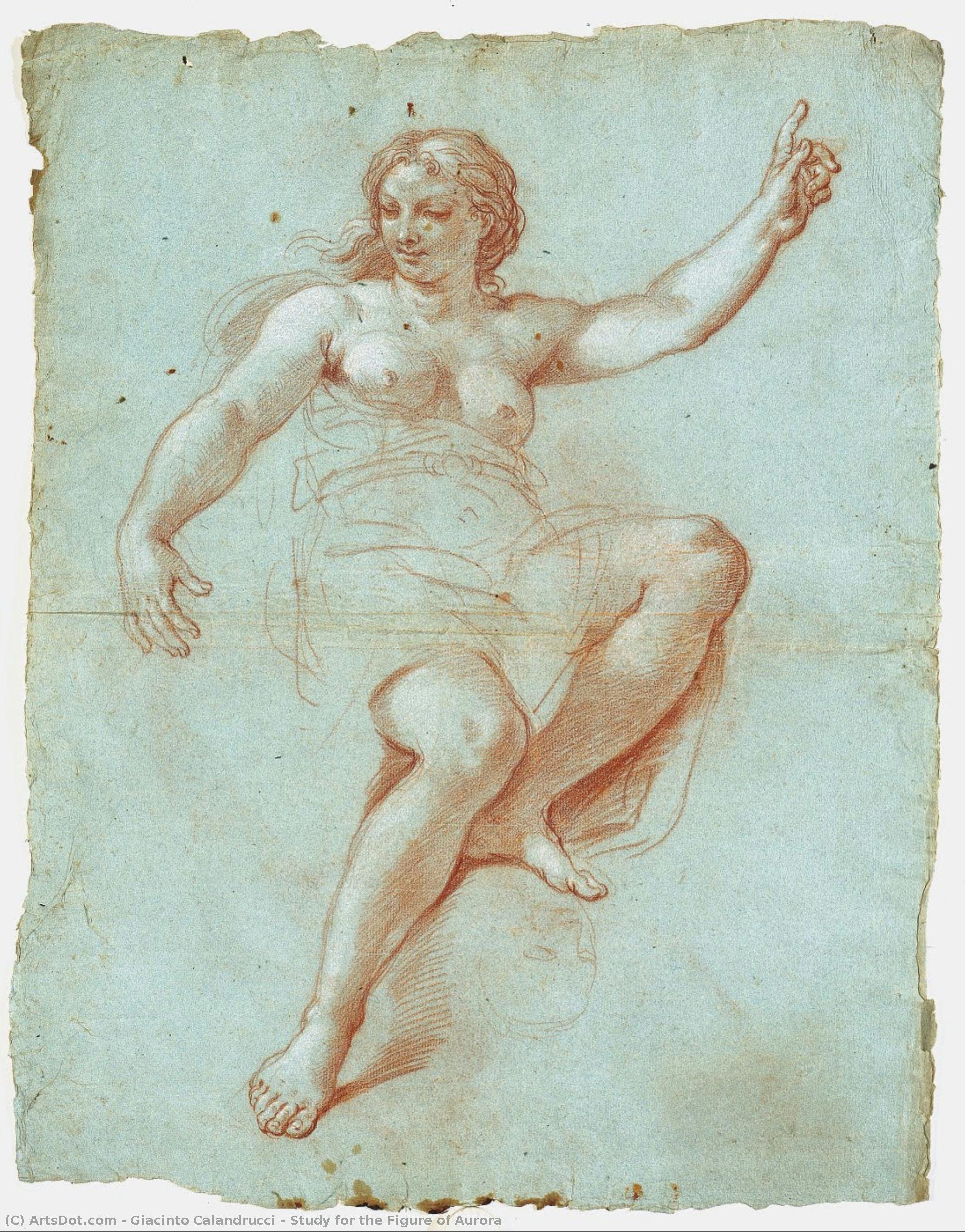
Study for the Figure of Aurora
 Chalk
Chalk- Baroque
 1680
1680- Early Modern
 441.0 x 550.0 cm
 Kunstpalast
 Read More
Purchase a high-resolution, enhanced digital image, far superior to the online preview.
Each file is meticulously prepared by our in-house specialists using advanced tools and expert manual retouching. We ensure every image has exceptional clarity, precise color accuracy, and fine detail.
The final file is delivered via email within 72 hours, optimized for immediate use in professional, editorial, and print environments. This is the same quality trusted by top-tier design studios, publishers, and galleries.
Digital Image
Download a high-resolution file for personal display, printing, and creative projects. ( Buy Print Buy Hand Made Painting)
Included in Every Digital Image Order
Expert Digital Delivery, Guaranteed
When you choose ArtsDot.com, you're not just getting an image - you're receiving a professionally enhanced digital artwork, crafted with precision and backed by a satisfaction guarantee. Here's everything that comes with your order, automatically:

Fast Email Delivery
Your high-resolution digital image file will be emailed to you within 72 hours of ordering - ready for immediate use.

AI-Enhanced Digital File
Your artwork is professionally optimized using advanced AI tools and manual editing, ensuring maximum detail, clarity, and color accuracy.

Free Lifetime Re-Delivery
Accidentally deleted or lost your file? No worries - we'll resend it to you anytime, free of charge.

No Import Fees - Ever
Enjoy your artwork instantly with zero customs, duties, or delivery fees - digital downloads are always tax-free.

Color Accuracy Guarantee
We ensure your digital image reflects the original colors as closely as possible using professional tools and color management.

60-Day Satisfaction Guarantee
If you're not satisfied with your digital image, we'll revise it or refund 100% within 60 days - no questions asked.

100% Money-Back Guarantee
Not satisfied? Get a full refund within 60 days of receiving your digital file - no questions asked.

Bulk Order Discounts
Buy 3 images, save 10% - Buy 5, save 15% - Buy 10+, save 20%. Great for creative projects, galleries, and agencies.
Collectible Description
A Celestial Prelude: The Grace of Calandrucci’s Aurora
In the delicate dance of light and shadow, Giacinto Calandrucci captures a moment of divine transition within his masterful Study for the Figure of Aurora. Created around 1680, this exquisite work serves as a profound window into the Baroque era's obsession with movement, divinity, and the ethereal. The subject—the personification of the dawn—is rendered not merely as a figure, but as an embodiment of rising energy. As her hand reaches toward the heavens, she gestures to the breaking light, inviting the viewer to witness the very moment night surrenders to day. This study is far more than a preliminary sketch; it is a poetic meditation on the arrival of hope and the cyclical nature of existence.
The technique employed in this piece reveals the artist's profound command over medium and motion. Utilizing the soft, tactile quality of chalk on paper, Calandrucci achieves a luminous depth that mimics the hazy, dewy atmosphere of early morning. The composition is a brilliant display of anatomical exploration; by depicting the figure in various positions—from seated repose to an upward-reaching stance—the artist breathes life into the static medium. Each stroke of the chalk contributes to a sense of rhythmic fluidity, where the boundaries between the physical body and the surrounding atmosphere seem to dissolve, creating a dreamlike state that captivates the eye.
A Masterpiece of Baroque Elegance for the Modern Collector
For the discerning collector or interior designer, Study for the Figure of Aurora offers an unparalleled opportunity to introduce a sense of classical grandeur and intellectual depth into a space. The painting’s palette, dominated by the serene blues of her attire contrasted against the warm, textured tones of the paper, provides a sophisticated focal point that complements both contemporary minimalism and traditional opulence. Because this work is a study, it possesses an intimate, raw quality that feels incredibly personal, as if we are peering directly into the creative mind of a 17th-century master.
Integrating a high-quality reproduction of this piece into a curated environment does more than decorate a wall; it establishes a narrative of timelessness. The emotional impact of the work—a blend of tranquility and anticipation—can transform a room into a sanctuary of reflection. Whether placed in a sunlit gallery or a quiet study, Calandrucci’s Aurora serves as a constant reminder of the beauty found in beginnings. It is an investment in art that speaks to the soul, offering a sophisticated touch of Italian Baroque heritage that remains as relevant and breathtaking today as it was in 1680.
Related Artworks
Artist Biography
Bernice Nauta: Echoes of Self and the Art of Repetition
Bernice Nauta, born in The Hague in 1991, is a contemporary artist whose work delves into the complexities of identity, authorship, and the very nature of representation. Her practice, characterized by layered narratives, fictional characters, and a deliberate embrace of repetition, has established her as a significant voice within the current landscape of experimental art. Nauta’s career trajectory reflects a deep engagement with both personal introspection and broader philosophical inquiries, often manifested through a captivating blend of mediums – painting, drawing, sculpture, performance, and installation. Her work isn't simply about depicting reality; it’s an active interrogation of how we perceive ourselves and the world around us.Early Influences and Artistic Formation
Nauta’s artistic journey began at the Royal Academy of Art in The Hague, a formative period where she honed her skills across various disciplines. Crucially, her education wasn't confined to traditional techniques; it fostered an experimental approach, encouraging her to explore unconventional materials and processes. This emphasis on experimentation is evident throughout her oeuvre, reflecting a desire to break free from established conventions and forge her own distinct visual language. Early influences are difficult to pinpoint with absolute certainty, but recurring themes of mythology, folklore, and the power of storytelling—particularly those found in ancient Greek narratives—begin to emerge as foundational elements shaping her artistic vision. The myth of Echo, in particular, serves as a persistent motif, representing not just a curse of repetition, but also a poignant commentary on the limitations and possibilities of communication and self-expression.Thematic Concerns: Identity, Authorship, and the Trickster
At the heart of Nauta’s work lies a sustained investigation into the elusive nature of identity. She frequently employs fictional characters—Schelm, Skia, Benny Snouta, and Walter—each imbued with their own unique personalities, biographies, and symbolic significance. These figures aren't merely decorative elements; they function as vessels for exploring broader philosophical concepts related to selfhood, perception, and the constructed nature of reality. The concept of authorship is also a central preoccupation. Nauta challenges traditional notions of originality by engaging in “auto-appropriation”—reinterpreting her own work through layers of repetition, quotation, and allusion. This process disrupts the idea of a singular, authoritative voice, suggesting that identity itself is a fluid and constantly evolving construct. Furthermore, Nauta’s exploration of the ‘trickster’ archetype—borrowed from Lewis Hyde's theories—adds another layer of complexity to her work. The trickster, characterized by its ability to copy, adapt, and subvert established norms, embodies a fundamental principle of creative transformation. In Nauta’s context, this translates into an interrogation of the boundaries between original and imitation, authenticity and appropriation.Key Exhibitions and Notable Works
Nauta's work has garnered critical acclaim through a series of solo and group exhibitions across Europe. A pivotal moment in her career was her 2019 exhibition *Hello Echo* at 1646, The Hague, an installation that directly engaged with the myth of Echo and explored themes of repetition, authorship, and self-reflection. This show featured a double version of the same artwork, creating a dialogue between the original and its echo—a visual representation of the artist’s own process of appropriation and reinterpretation. Other notable works include her contributions to Ampelhaus residency in Germany, Orbital Residency in Spain, and her participation in the 2018 Poppositions exhibition in Brussels. Her work has been featured in publications such as Art Viewer and various art magazines, solidifying her position as a rising star in contemporary art.Legacy and Artistic Significance
Bernice Nauta’s artistic significance lies not only in the originality of her ideas but also in her ability to articulate complex philosophical concepts through visually compelling and emotionally resonant works. Her exploration of identity, authorship, and the trickster archetype resonates with contemporary concerns about authenticity, representation, and the ever-shifting nature of selfhood in a digital age. By embracing repetition and appropriation as creative strategies, Nauta challenges traditional notions of originality and invites viewers to question their own assumptions about art and its relationship to reality. Her work stands as a testament to the power of experimentation, introspection, and the enduring relevance of myth and storytelling in shaping our understanding of ourselves and the world around us. She continues to push boundaries and explore new avenues for artistic expression, solidifying her place as an important voice within the contemporary art scene.
giacinto calandrucci
1646 - 1707 , Italy
Quick Facts
- Artistic Movement Or Style: Baroque
- Artists Or Movements Influenced By This Artist:
- Rembrandt
- Romanticism
- Artists Who Influenced This Artist:
- Caravaggio
- Tintoretto
- Date Of Birth: 1590
- Date Of Death: 1673
- Full Name: Georges de La Tour
- Nationality: French
- Notable Artworks:
- The Smoker
- Saint Andrew Praying
- The Annunciation
- Place Of Birth: Autun, France

