

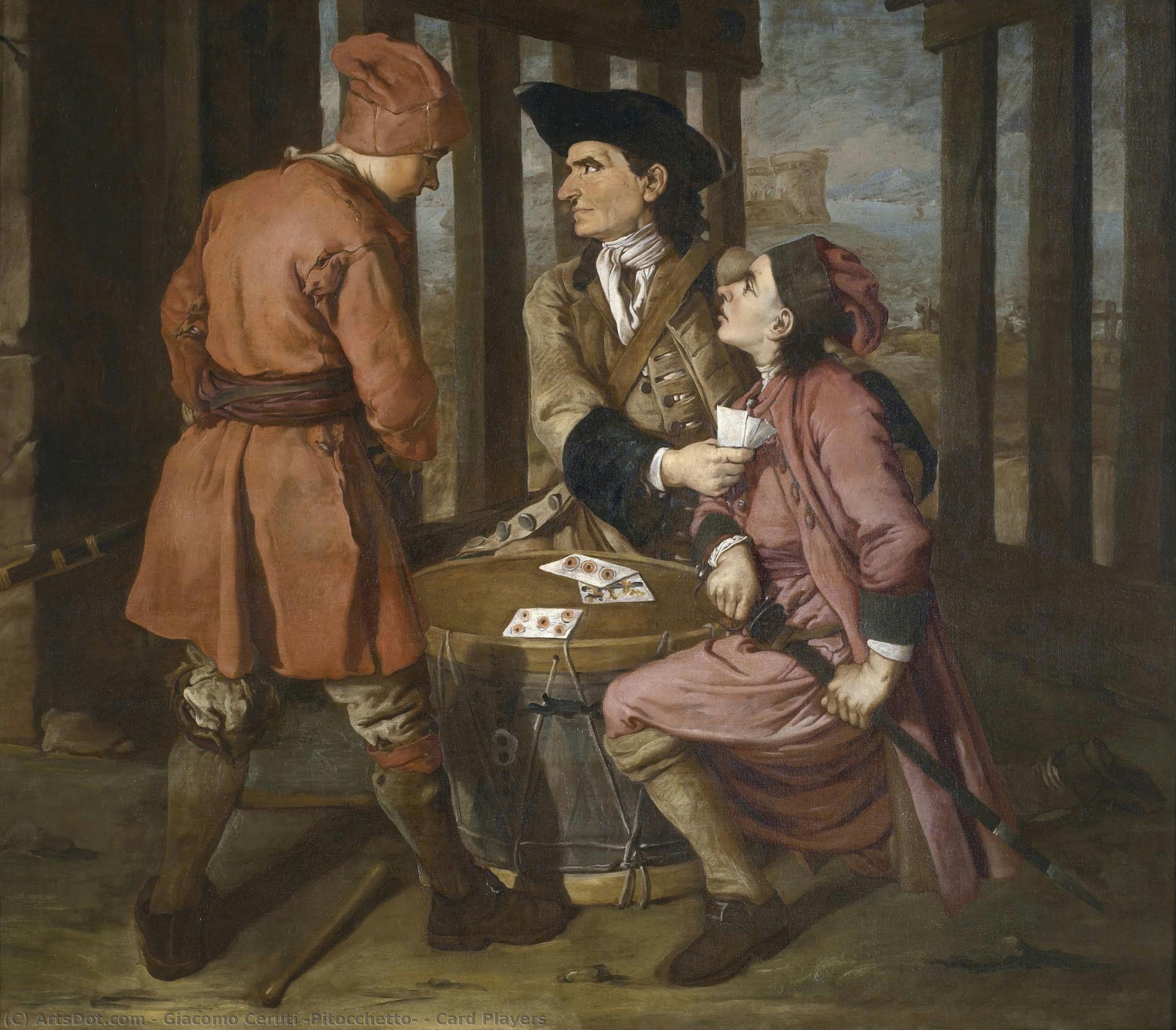
 Preview
 Send
Send Share
Share
 Details

 Download
 Similars
 X-Ray
X-Ray Diaporama
Card Players

 Read More
Purchase a high-resolution, enhanced digital image, far superior to the online preview.
Each file is meticulously prepared by our in-house specialists using advanced tools and expert manual retouching. We ensure every image has exceptional clarity, precise color accuracy, and fine detail.
The final file is delivered via email within 72 hours, optimized for immediate use in professional, editorial, and print environments. This is the same quality trusted by top-tier design studios, publishers, and galleries.
Digital Image
Download a high-resolution file for personal display, printing, and creative projects. ( Buy Print Buy Hand Made Painting)
Included in Every Digital Image Order
Expert Digital Delivery, Guaranteed
When you choose ArtsDot.com, you're not just getting an image - you're receiving a professionally enhanced digital artwork, crafted with precision and backed by a satisfaction guarantee. Here's everything that comes with your order, automatically:

Fast Email Delivery
Your high-resolution digital image file will be emailed to you within 72 hours of ordering - ready for immediate use.

AI-Enhanced Digital File
Your artwork is professionally optimized using advanced AI tools and manual editing, ensuring maximum detail, clarity, and color accuracy.

Free Lifetime Re-Delivery
Accidentally deleted or lost your file? No worries - we'll resend it to you anytime, free of charge.

No Import Fees - Ever
Enjoy your artwork instantly with zero customs, duties, or delivery fees - digital downloads are always tax-free.

Color Accuracy Guarantee
We ensure your digital image reflects the original colors as closely as possible using professional tools and color management.

60-Day Satisfaction Guarantee
If you're not satisfied with your digital image, we'll revise it or refund 100% within 60 days - no questions asked.

100% Money-Back Guarantee
Not satisfied? Get a full refund within 60 days of receiving your digital file - no questions asked.

Bulk Order Discounts
Buy 3 images, save 10% - Buy 5, save 15% - Buy 10+, save 20%. Great for creative projects, galleries, and agencies.
Related Artworks
Artist Biography
Johann Carl Loth: A Venetian Master of Grandeur
Born in Munich, Bavaria, in 1632, Johann Carl Loth’s life was a testament to the allure and dynamism of Venice – a city that profoundly shaped his artistic vision. Though initially trained by his father, Johann Ulrich Loth, a painter in Munich, Loth’s true development occurred during his decades-long sojourn in the Serenissima. He wasn't merely a craftsman; he was an architect of visual narratives, specializing in history paintings brimming with meticulously rendered figures and dramatic compositions. His work reflects a sophisticated understanding of Baroque aesthetics, blending Italian grandeur with a distinctly German sensibility – a synthesis that established him as a significant figure within the Venetian art scene.
Loth’s early career was marked by a deliberate pursuit of artistic refinement in Italy. He spent considerable time studying under renowned artists like Pietro Liberi and Giovan Battista Langetti, absorbing their techniques and stylistic approaches. This immersion proved crucial, allowing him to quickly master the complex demands of Venetian painting – particularly its emphasis on color, light, and dynamic movement. His early works demonstrate a clear debt to the established masters of the time, yet he swiftly developed his own unique voice, characterized by an almost theatrical flair for depicting historical events and allegorical scenes.
A pivotal moment in Loth’s career was his appointment as court painter for Maximilian II Emanuel, Prince-Elector of Bavaria. This prestigious commission brought him into contact with the opulent world of European royalty and provided him with opportunities to execute large-scale history paintings that showcased his technical prowess and narrative skill. The acquisition by the Prince-Elector of Rubens’s “Adoration of the Magi” in 1698, a monumental work previously owned by Gijsbert van Ceulen, further cemented Loth's reputation as a master of historical painting. This event underscored the importance of Italian art within European courts and highlighted Loth’s ability to appreciate and replicate the grandeur of Renaissance masterpieces.
The World of Conversation Pieces
While Loth excelled in grand historical scenes, he also found success in a more intimate genre: conversation pieces. These meticulously staged group portraits, often depicting artists, craftsmen, and intellectuals engaged in leisurely pursuits, became increasingly popular during the 18th century. Loth’s contributions to this trend are particularly noteworthy, capturing the social dynamics of his time with remarkable detail and psychological insight. His “Club of Artists,” a vibrant depiction of a gathering at the King's Arms in New Bond Street, London, exemplifies this style – showcasing a diverse group of figures engaged in lively conversation and artistic exchange.
The creation of these conversation pieces wasn’t merely about capturing likenesses; it was an exercise in social commentary. Loth skillfully used composition, gesture, and facial expression to convey the personalities and relationships within each group. His ability to portray a sense of relaxed camaraderie and intellectual stimulation made his works highly sought after by wealthy patrons eager to display their connections to the artistic world.
A Network of Influence
Loth’s artistic circle in Venice was remarkably vibrant, fostering an environment of collaboration and exchange. He maintained close relationships with fellow artists such as Michael Wenzel Halbax, Santo Prunati, and Johann Michael Rottmayr – all of whom benefited from his guidance and expertise. His connection to prominent figures like Willem Drost and Jan Vermeer van Utrecht further solidified his position within the artistic community. The influence extended beyond Venice; Loth’s work was admired by artists across Europe, including the Dutch masters Cornelis de Bruijn and Jan van Bunnik, who traveled to Italy specifically to study his techniques.
His brother, Franz Loth, also pursued a career as a painter in Germany and Italy, often collaborating with Johann on various projects. This familial artistic partnership contributed significantly to the spread of Loth’s style and techniques throughout Europe. The strong ties within their circle fostered a dynamic exchange of ideas and influences, resulting in a rich tapestry of artistic innovation.
Legacy and Recognition
Johann Carl Loth died in Augsburg in 1698, leaving behind a substantial body of work that continues to be admired for its technical skill, dramatic composition, and insightful portrayal of human interaction. While his early career was largely focused on the Venetian art market, his influence extended far beyond Italy’s borders. His contributions to the development of conversation pieces helped shape the trajectory of 18th-century portraiture, and his meticulous attention to detail set a new standard for historical painting.
Today, Loth's paintings are housed in major museums and private collections around the world, serving as enduring reminders of his artistic genius. His legacy as a Venetian master—a bridge between German precision and Italian grandeur—remains firmly established within the annals of art history.
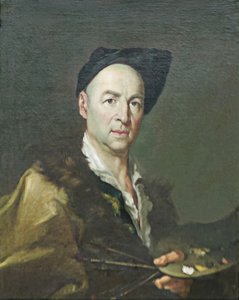
giacomo ceruti (pitocchetto)
1698 - 1767 , Italy
Quick Facts
- Artistic Movement Or Style: Baroque
- Artists Or Movements Influenced By This Artist:
- Karel Dujardin
- Karel Marat
- Artists Who Influenced This Artist: ['Johann Ulrich Loth']
- Date Of Birth: August 8, 1632
- Date Of Death: October 6, 1698
- Full Name: Johann Carl Loth
- Nationality: German
- Notable Artworks:
- Adoration of the Magi (Rubens)
- Self-portrait in a turban
- Place Of Birth: Munich, Bavaria

