

 Preview
 Send
Send Share
Share
 Details

 Download
 Similars
 X-Ray
X-Ray Diaporama
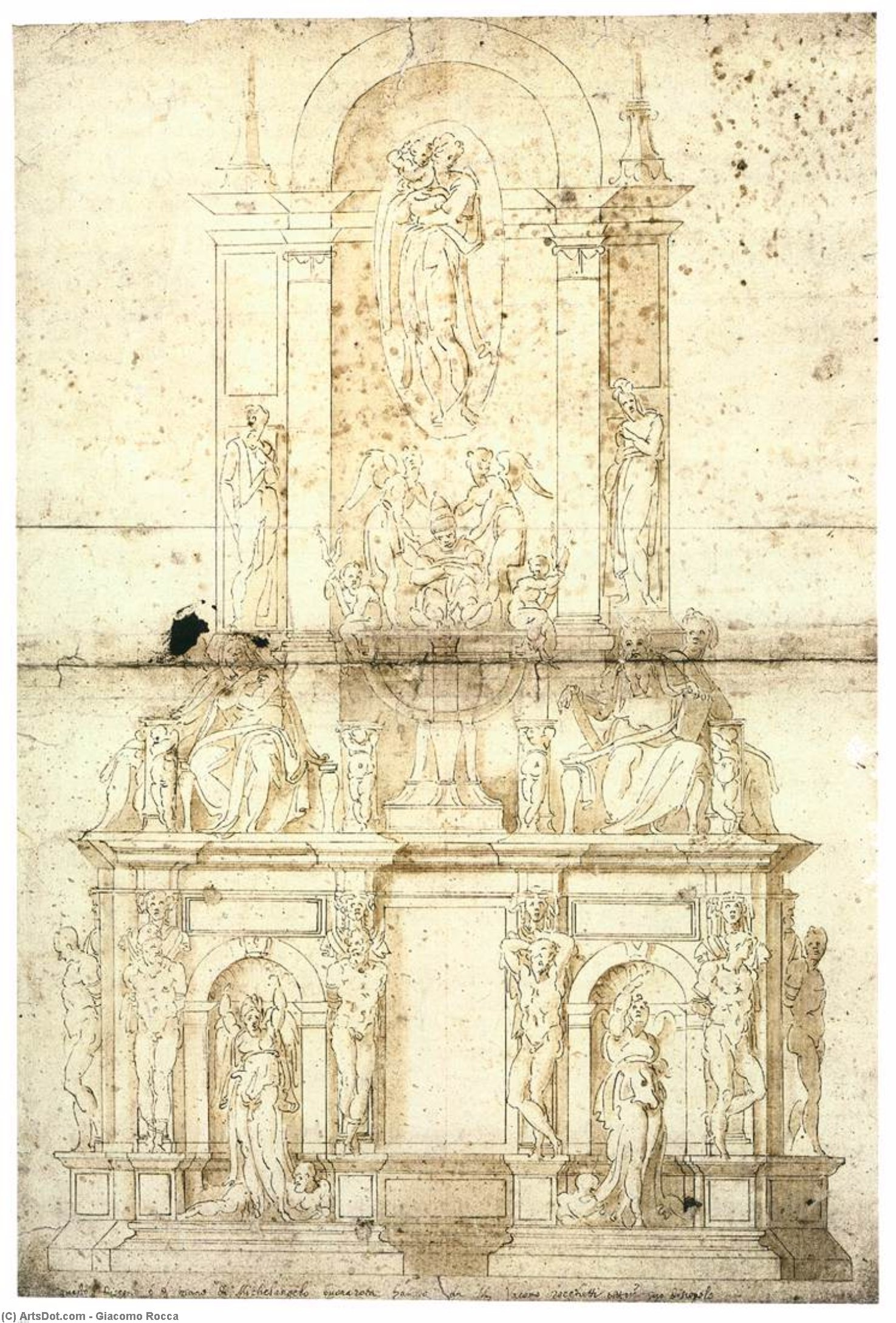
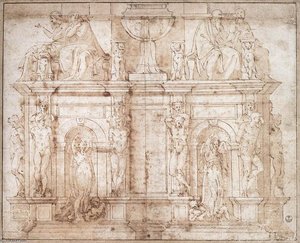
Michelangelo's Draft for the Tomb of Julius II
 Acrylic On Canvas
- WallArt
- Mannerist Style
 580.0 x 393.0 cm
 Staatliche Museen
 Read More
Purchase a high-resolution, enhanced digital image, far superior to the online preview.
Each file is meticulously prepared by our in-house specialists using advanced tools and expert manual retouching. We ensure every image has exceptional clarity, precise color accuracy, and fine detail.
The final file is delivered via email within 72 hours, optimized for immediate use in professional, editorial, and print environments. This is the same quality trusted by top-tier design studios, publishers, and galleries.
Digital Image
Download a high-resolution file for personal display, printing, and creative projects. ( Buy Print Buy Hand Made Painting)
Included in Every Digital Image Order
Expert Digital Delivery, Guaranteed
When you choose ArtsDot.com, you're not just getting an image - you're receiving a professionally enhanced digital artwork, crafted with precision and backed by a satisfaction guarantee. Here's everything that comes with your order, automatically:

Fast Email Delivery
Your high-resolution digital image file will be emailed to you within 72 hours of ordering - ready for immediate use.

AI-Enhanced Digital File
Your artwork is professionally optimized using advanced AI tools and manual editing, ensuring maximum detail, clarity, and color accuracy.

Free Lifetime Re-Delivery
Accidentally deleted or lost your file? No worries - we'll resend it to you anytime, free of charge.

No Import Fees - Ever
Enjoy your artwork instantly with zero customs, duties, or delivery fees - digital downloads are always tax-free.

Color Accuracy Guarantee
We ensure your digital image reflects the original colors as closely as possible using professional tools and color management.

60-Day Satisfaction Guarantee
If you're not satisfied with your digital image, we'll revise it or refund 100% within 60 days - no questions asked.

100% Money-Back Guarantee
Not satisfied? Get a full refund within 60 days of receiving your digital file - no questions asked.

Bulk Order Discounts
Buy 3 images, save 10% - Buy 5, save 15% - Buy 10+, save 20%. Great for creative projects, galleries, and agencies.
Collectible Description
A Singular Vision Amidst Cluniac Splendor
Giacomo Rocca’s “Michelangelo’s Draft for the Tomb of Julius II,” executed around 1592, stands as a testament to the enduring influence of Mannerist aesthetics within the fervent devotional landscape of Renaissance Rome. While overshadowed by monumental figures like Michelangelo himself, Rocca's contribution resides in his meticulous rendering of a pivotal preparatory sketch—a copy of Michelangelo’s original design for Pope Julius II’s tomb commission.
The drawing itself is executed with pen and brown ink, overlaid with subtle washes of brown pigment. Measuring 580 x 393 cm, it resides within the Staatliche Museen Berlin’s collection, offering a rare glimpse into the creative process behind one of the era's most ambitious artistic endeavors.
The Echoes of Michelangelo’s Genius
Rocca’s artwork isn’t merely an imitation; it’s a profound engagement with Michelangelo’s groundbreaking vision. The sketch captures the essence of Michelangelo’s initial concept—a monumental wall tomb intended to honor Julius II and commemorate his papacy. Despite abandoning the freestanding sculpture proposal, Rocca faithfully reproduced Michelangelo's detailed drawing, preserving its geometric precision and expressive dynamism.
The drawing depicts a complex composition centered around a female figure – likely Mary Magdalene – surrounded by six additional figures engaged in various poses. The artist’s masterful use of pen and ink creates a striking contrast between light and shadow, mirroring the dramatic chiaroscuro characteristic of Mannerist painting. This technique emphasizes the spiritual significance of the scene.
Symbolism Rooted in Cluniac Tradition
The drawing's context is equally compelling. It originates from Château des Moines at Berzé-la-Ville, a chapel dedicated to Abbot Hugh of Cluny—a figure revered for his piety and artistic patronage. The mural program commissioned by Hugh embodies the spirit of Cluny’s theological fervor, reflecting the prevailing artistic trends of the time.
Specifically, the depiction aligns with Michelangelo's original plan for the tomb: Christ enthroned as omnipotent ruler dominates the composition, symbolizing divine authority. To his right, Michelangelo’s hand extends towards St Peter, conveying the transmission of papal law—a visual representation of spiritual leadership and ecclesiastical governance.
A Window into Artistic Innovation
“Michelangelo's Draft for the Tomb of Julius II” exemplifies Rocca’s stylistic mastery within the Mannerist movement. Like Da Volterra, Rocca championed expressive distortion and exaggerated poses, mirroring Michelangelo’s pioneering approach to sculpture and painting. This artwork serves as a poignant reminder that artistic brilliance can flourish even in emulation—preserving and disseminating the legacy of monumental figures like Michelangelo through meticulous observation and skillful execution.
Related Artworks
Artist Biography
Giacomo Rocca (1592 – c. 1605): A Mannerist Vision of Faith and Patronage
Giacomo Rocca, a name largely absent from mainstream art historical narratives, nevertheless represents a significant contribution to the artistic landscape of late Renaissance Italy—specifically within the fervent devotional fervor surrounding Santa Maria degli Angeli in Rome. Born sometime around 1592, Rocca’s life remains shrouded in relative obscurity, primarily documented through Giovanni Baglione's *Le Vite dei Pittori*, Scultori et Architetti dal Pontificato di Gregorio XIII del 1572 in fino a tempi di Papa Urbano VIII nel 1642*, which offers invaluable insight into the artistic milieu of his era.
Rocca’s formative years were spent under the tutelage of Daniele da Volterra, a celebrated Mannerist sculptor and painter whose influence profoundly shaped Rocca's stylistic trajectory. Da Volterra championed a dramatic, expressive approach characterized by distorted figures, exaggerated poses, and intense emotional intensity—elements that would become hallmarks of Rocca’s oeuvre.
The Frescoes of Santa Maria degli Angeli
Rocca’s most enduring legacy resides in his monumental frescoes adorning the first chapel on the right of Santa Maria degli Angeli e dei Martiri, a basilica renowned for its opulent decoration and patronage by Cardinal Alessandro Farnese. Collaborating closely with Michele degli Alberti, Rocca undertook the ambitious task of depicting scenes from the Old Testament—specifically Prophets and Sibyls—and subjects commemorating Saint Francis Xavier, a pivotal figure in Jesuit missionary activity.
These frescoes exemplify the Mannerist preoccupation with psychological realism and symbolic grandeur. Rocca skillfully employed tenebrismo—a technique pioneered by Caravaggio—to create dramatic chiaroscuro effects that heighten emotional impact and convey profound spiritual contemplation. The figures are rendered with meticulous detail, capturing subtle nuances of expression and gesture, reflecting Da Volterra’s influence.
Style and Technique
Rocca's artistic style is firmly rooted in the Mannerist tradition, distinguished by its rejection of classical ideals of beauty and harmony. Instead, he embraced distortion, asymmetry, and expressive exaggeration—methods designed to elicit a visceral response from the viewer. His palette favored muted tones—primarily ochres, siennas, and umbers—creating an atmosphere of solemn contemplation.
Furthermore, Rocca’s meticulous attention to detail—evident in his rendering of drapery folds and facial expressions—demonstrates a mastery of disegno—the Italian term for drawing—a cornerstone of Renaissance artistic training. Like Da Volterra, Rocca prioritized conveying emotion over mere visual representation, prioritizing psychological depth and spiritual significance.
Legacy and Influence
Despite the paucity of biographical information, Giacomo Rocca’s contribution to Roman art history remains undeniable. His frescoes at Santa Maria degli Angeli stand as testament to the enduring power of Mannerist aesthetics—a style that continues to inspire artists today. Though overshadowed by more prominent contemporaries, Rocca's work embodies a distinctive vision of faith and artistic expression—a poignant reminder of the rich tapestry of creativity within Renaissance Italy.
giacomo rocca
1592 - 1605 , Italy
Quick Facts
- Artistic Movement Or Style: Mannerist
- Artists Or Movements Influenced By This Artist: ['Michelangelo']
- Artists Who Influenced This Artist: ['Daniele da Volterra']
- Date Of Death: between 1592 and 1605
- Full Name: Giacomo Rocca
- Nationality: Italian
- Notable Artworks:
- Frescoes in the Ricci Chapel
- Roman Triumphs
- Place Of Birth: Italy

