

 Preview
 Send
Send Share
Share
 Details

 Download
 Similars
 X-Ray
X-Ray Diaporama
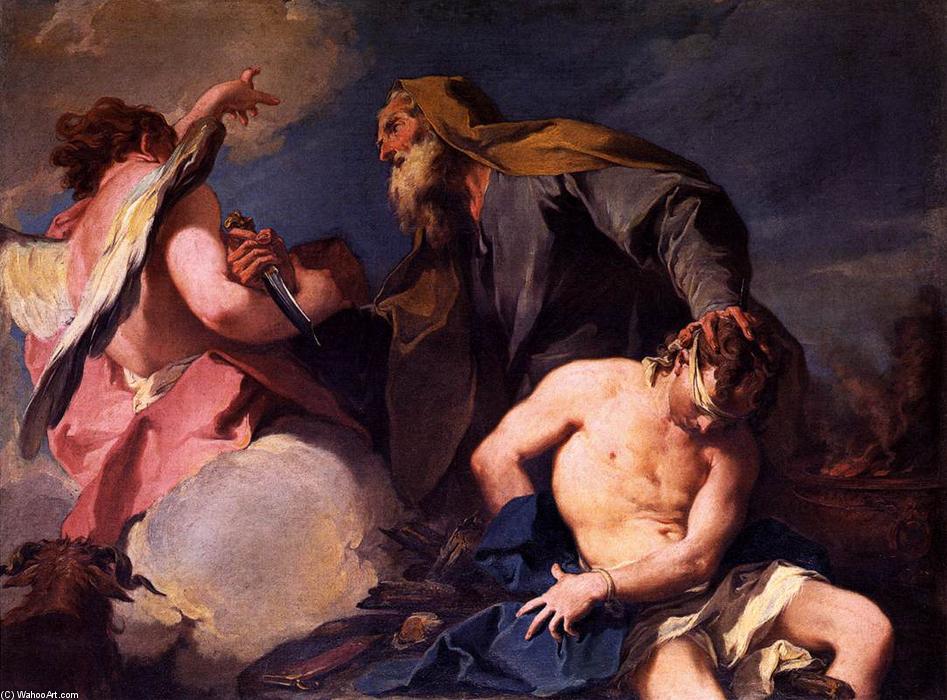
Sacrifice of Isaac
 1720
1720 118.0 x 155.0 cm
 Сан Франческо делла Винья
 Read More
Purchase a high-resolution, enhanced digital image, far superior to the online preview.
Each file is meticulously prepared by our in-house specialists using advanced tools and expert manual retouching. We ensure every image has exceptional clarity, precise color accuracy, and fine detail.
The final file is delivered via email within 72 hours, optimized for immediate use in professional, editorial, and print environments. This is the same quality trusted by top-tier design studios, publishers, and galleries.
Digital Image
Download a high-resolution file for personal display, printing, and creative projects. ( Buy Print Buy Hand Made Painting)
Included in Every Digital Image Order
Expert Digital Delivery, Guaranteed
When you choose ArtsDot.com, you're not just getting an image - you're receiving a professionally enhanced digital artwork, crafted with precision and backed by a satisfaction guarantee. Here's everything that comes with your order, automatically:

Fast Email Delivery
Your high-resolution digital image file will be emailed to you within 72 hours of ordering - ready for immediate use.

AI-Enhanced Digital File
Your artwork is professionally optimized using advanced AI tools and manual editing, ensuring maximum detail, clarity, and color accuracy.

Free Lifetime Re-Delivery
Accidentally deleted or lost your file? No worries - we'll resend it to you anytime, free of charge.

No Import Fees - Ever
Enjoy your artwork instantly with zero customs, duties, or delivery fees - digital downloads are always tax-free.

Color Accuracy Guarantee
We ensure your digital image reflects the original colors as closely as possible using professional tools and color management.

60-Day Satisfaction Guarantee
If you're not satisfied with your digital image, we'll revise it or refund 100% within 60 days - no questions asked.

100% Money-Back Guarantee
Not satisfied? Get a full refund within 60 days of receiving your digital file - no questions asked.

Bulk Order Discounts
Buy 3 images, save 10% - Buy 5, save 15% - Buy 10+, save 20%. Great for creative projects, galleries, and agencies.
Collectible Description
The Biblical Story
The scene captures the intense moment when an angel intervenes to stop Abraham from sacrificing his son. The Sacrifice of Isaac is a powerful representation of faith, obedience, and divine intervention. Pittoni's skillful use of light and shadow creates a sense of tension and drama, drawing the viewer into the emotional narrative. The painting features an elderly Abraham with a long beard, holding a knife above the head of his blindfolded son Isaac, who is tied to a stone altar. Above them, an angel in mid-flight intercedes, signaling Abraham to stop the sacrifice. The San Francesco della Vigna museum is home to several other notable artworks, including pieces by Tiziano Vecellio (Titian) and Giulia Lama.Artistic Style and Influences
Pittoni's style is characterized by a mix of Baroque and Rococo elements, with a focus on delicate lines, soft colors, and elegant compositions. His work was influenced by other prominent artists of the time, including Antonio Balestra and Sebastiano Ricci. To learn more about Pittoni's life and works, visit the Giambattista Pittoni page on ArtsDot.com.- View the Sacrifice of Isaac painting by Giambattista Pittoni on ArtsDot.com: Sacrifice of Isaac
- Explore the San Francesco della Vigna museum on ArtsDot.com: The Museum San Francesco della Vigna (Venice, Italy)
For more information on Giambattista Pittoni and his artistic style, visit the Wikipedia page dedicated to his life and works.
Related Artworks








Artist Biography
Willem Wissing: A Master of English Portraiture
Born in either Amsterdam or The Hague around 1656, Willem Wissing’s life and career unfolded dramatically across the North Sea, transforming him from a promising Dutch portraitist into one of England's most sought-after artists during the reign of Charles II. Initially trained by the esteemed Willem Doudijns and Arnoldus van Ravestyn in The Hague – masters known for their meticulous detail and classical influences – Wissing’s artistic trajectory shifted decisively when he arrived in London in 1676, a move that would cement his legacy as a pivotal figure in shaping English portraiture. His journey wasn't merely geographical; it represented a fusion of Dutch artistic traditions with the burgeoning tastes and demands of the English court.
Wissing’s early years in England were spent honing his skills under the tutelage of Peter Lely, a celebrated artist already renowned for his dynamic compositions and ability to capture character. Lely's workshop provided Wissing with invaluable experience, particularly in the realm of portraiture, exposing him to the latest techniques and stylistic trends. Following Lely’s untimely death in 1680, Wissing swiftly stepped into the role of his successor, inheriting a prestigious position and a considerable workload. This transition marked a crucial turning point, establishing Wissing as the principal portraitist at court – a status he would maintain for nearly a decade.
The royal sitters who graced Wissing’s studio during this period were among the most prominent figures of the era. He painted portraits of Charles II himself, capturing the king's charisma and regal bearing; Catherine of Braganza, showcasing her elegance and sophistication; George of Denmark, emphasizing his dignified presence; and James Scott, the Duke of Monmouth, reflecting the youthful energy of the heir apparent. These commissions weren’t merely exercises in likeness; Wissing skillfully imbued each portrait with a sense of personality and narrative, elevating them beyond simple representations to compelling works of art. His ability to convey both outward appearance and inner character was a hallmark of his style.
Wissing's influence extended far beyond the royal court. He established a workshop where he trained numerous assistants, most notably Jan van der Vaart, who specialized in adding drapery and landscape elements to Wissing’s compositions. This collaborative approach allowed him to maintain a prolific output while also developing a distinctive visual language characterized by rich colors, dramatic lighting, and an attention to detail that bordered on obsessive. The dissemination of his portraits through mezzotint prints further amplified his fame and ensured that his work reached a wider audience.
The Influence of Venetian Painting
Wissing’s artistic development reveals a fascinating interplay between Dutch and Italian influences. His early training in The Hague exposed him to the classical ideals championed by Doudijns and van Ravestyn, while his time with Lely introduced him to the dynamism and theatricality of English portraiture. However, it was his subsequent exposure to Venetian painting – particularly through the works of Carlo Marotti and Francesco Trevisani – that profoundly shaped his style. The rich colors, dramatic lighting, and emphasis on texture characteristic of Venetian art found their way into Wissing’s work, creating a distinctive visual vocabulary.
The influence of Venetian masters is most evident in his portraits of Charles II and Catherine of Braganza. These paintings are characterized by a sumptuous palette of reds, golds, and blues, as well as a masterful use of chiaroscuro – the dramatic contrast between light and shadow – to create a sense of depth and drama. The figures appear almost luminous against the dark backgrounds, conveying an aura of majesty and power.
A Tragic End
Wissing’s career reached its zenith in 1687, just months before his untimely death at Burghley House near Stamford, Lincolnshire. Circumstances surrounding his demise remain shrouded in mystery, with speculation ranging from natural causes to foul play. Some accounts suggest that he was poisoned out of jealousy by rivals who resented his success and popularity at court. Whatever the cause, Wissing’s death marked a significant loss for the English art world.
Despite his brief life, Wissing left an indelible mark on English portraiture. His portraits are admired today for their technical skill, expressive characterizations, and historical significance. They offer a valuable glimpse into the lives of England's most prominent figures during a pivotal period in the nation’s history. The enduring legacy of Willem Wissing lies not only in his artistic achievements but also in his role as a bridge between Dutch and English art traditions.
Notable Works
- Portrait of Charles II: A masterful depiction of the king's charisma and regal bearing, showcasing Wissing’s ability to capture personality.
- Portrait of Catherine of Braganza: An elegant portrayal of the queen, emphasizing her grace and sophistication.
- Portrait of George of Denmark: A dignified representation of the king's stately presence.
- Portrait of James Scott, 1st Duke of Monmouth: A dynamic depiction of the young heir apparent, conveying his youthful energy and ambition.
- Ariadne Asleep on Naxos: (Pennsylvania Academy of Fine Arts) – A prime example of Wissing’s ability to emulate the Venetian masters, particularly Giorgione and Titian.
Historical Significance
Willem Wissing's work is not merely aesthetically pleasing; it holds significant historical value. His portraits document the personalities and appearances of key figures during the Restoration period in England, providing invaluable insights into the courtly life and political landscape of the time. Furthermore, his influence on subsequent generations of English portraitists – particularly Godfrey Kneller – underscores his lasting impact on the development of the genre. Wissing’s legacy continues to be celebrated through exhibitions, scholarly research, and reproductions of his remarkable works.
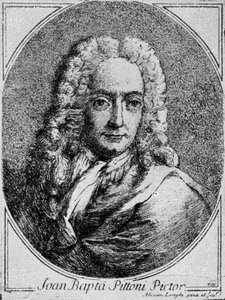
giambattista pittoni
1687 - 1767 , Italy
Quick Facts
- Artistic Movement Or Style: Portraiture
- Artists Or Movements Influenced By This Artist: ['Peter Lely']
- Artists Who Influenced This Artist:
- Willem Doudijns
- Arnoldus van Ravestyn
- Date Of Birth: 1656
- Date Of Death: 1687
- Full Name: Willem Wissing
- Nationality: Dutch
- Notable Artworks:
- Portrait of Queen Anne
- Henrietta & Mary Hyde
- William III (Prince)
- Place Of Birth: Amsterdam/The Hague

