

 Preview
 Send
Send Share
Share
 Details

 Download
 Similars
 X-Ray
X-Ray Diaporama
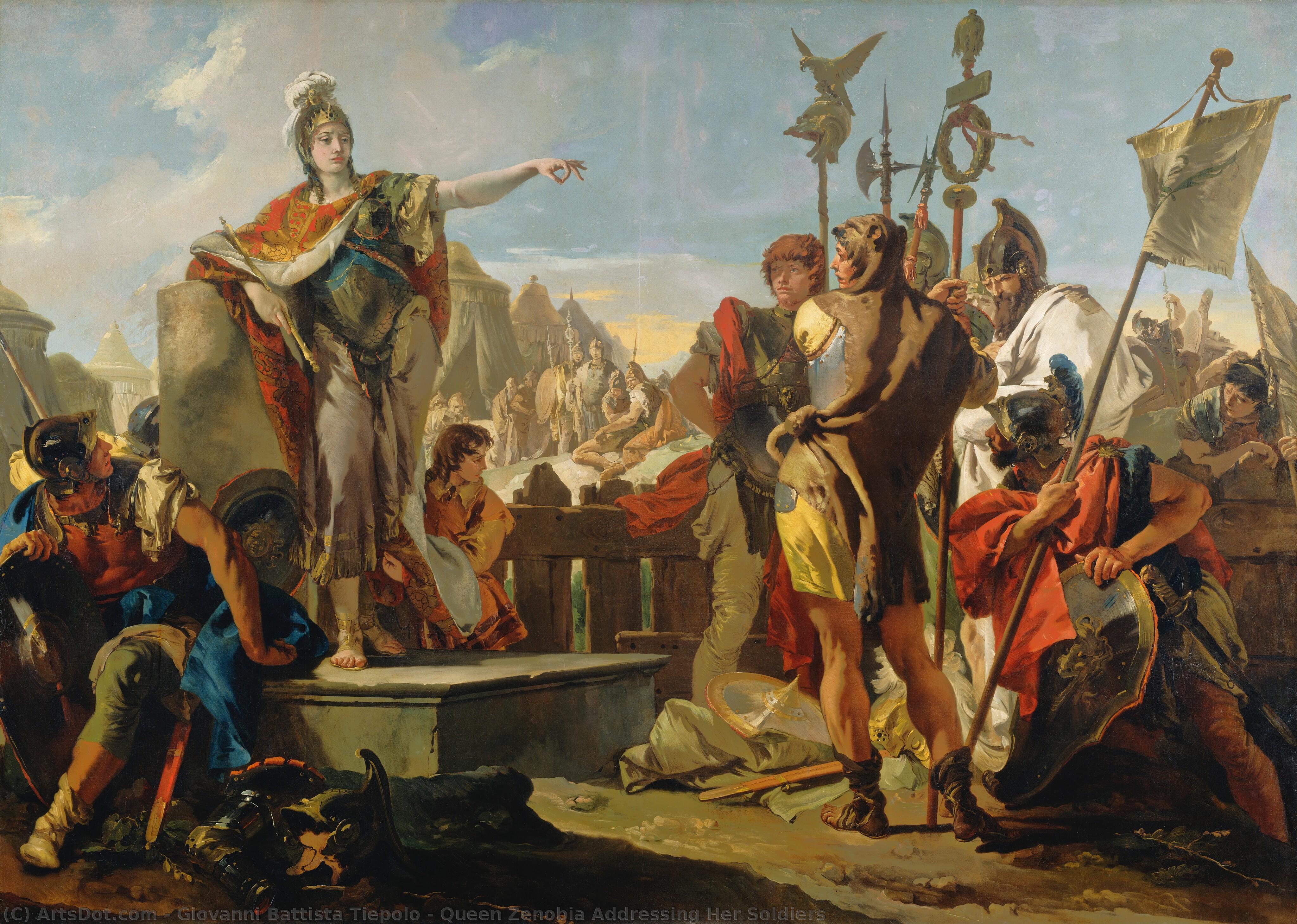
Queen Zenobia Addressing Her Soldiers
 Oil
Oil- WallArt
- Rococo
 1730
1730- Early Modern
 292.0 x 397.0 cm
 Read More
Purchase a high-resolution, enhanced digital image, far superior to the online preview.
Each file is meticulously prepared by our in-house specialists using advanced tools and expert manual retouching. We ensure every image has exceptional clarity, precise color accuracy, and fine detail.
The final file is delivered via email within 72 hours, optimized for immediate use in professional, editorial, and print environments. This is the same quality trusted by top-tier design studios, publishers, and galleries.
Digital Image
Download a high-resolution file for personal display, printing, and creative projects. ( Buy Print Buy Hand Made Painting)
Included in Every Digital Image Order
Expert Digital Delivery, Guaranteed
When you choose ArtsDot.com, you're not just getting an image - you're receiving a professionally enhanced digital artwork, crafted with precision and backed by a satisfaction guarantee. Here's everything that comes with your order, automatically:

Fast Email Delivery
Your high-resolution digital image file will be emailed to you within 72 hours of ordering - ready for immediate use.

AI-Enhanced Digital File
Your artwork is professionally optimized using advanced AI tools and manual editing, ensuring maximum detail, clarity, and color accuracy.

Free Lifetime Re-Delivery
Accidentally deleted or lost your file? No worries - we'll resend it to you anytime, free of charge.

No Import Fees - Ever
Enjoy your artwork instantly with zero customs, duties, or delivery fees - digital downloads are always tax-free.

Color Accuracy Guarantee
We ensure your digital image reflects the original colors as closely as possible using professional tools and color management.

60-Day Satisfaction Guarantee
If you're not satisfied with your digital image, we'll revise it or refund 100% within 60 days - no questions asked.

100% Money-Back Guarantee
Not satisfied? Get a full refund within 60 days of receiving your digital file - no questions asked.

Bulk Order Discounts
Buy 3 images, save 10% - Buy 5, save 15% - Buy 10+, save 20%. Great for creative projects, galleries, and agencies.
A Vision of Imperial Grandeur
In the sweeping, theatrical expanse of Giambattista Tiepolo’s Queen Zenobia Addressing Her Soldiers, we are transported to an era of mythic proportions and political upheaval. This monumental canvas, measuring a staggering 292 x 397 cm, serves as a breathtaking window into the heart of the Rococo period, where history and legend intertwine under a luminous sky. The scene captures the legendary Queen of Palmyra at a pivotal moment of command, her presence commanding the attention of a diverse assembly of warriors. As she stands atop a weathered stone platform, leaning with a poised grace upon a broken column, she embodies both the fragility of empire and the indomeless spirit of leadership. The composition is a masterclass in narrative tension, drawing the viewer’s eye from the regal figure of the Queen to the attentive, rugged faces of her soldiers, creating a sense of shared destiny and impending conflict.
Tiepolo, the undisputed architect of Venetian light, employs his signature technique to breathe life into this historical tableau. The painting is characterized by an extraordinary use of chiaroscuro and a palette that dances between the warmth of sun-drenched earth tones and the brilliant clarity of a Mediterranean afternoon. Notice how the Queen’s gold-encrusted helmet and her vibrant red and gold cloak catch the light, making her the undeniable focal point amidst the more muted, monochromatic tones of the distant encampment. The artist utilizes fluid, energetic brushstrokes to render the textures of polished bronze armor, soft animal skins, and the delicate white plume of the Queen’s crest. This mastery of texture not only provides a sense of tactile realism but also enhances the illusionistic grandeur that Tiepolo was famous for achieving in his monumental frescoes.
Symbolism and the Drama of Command
Beyond its surface beauty, the artwork is rich with symbolic depth, making it a profound choice for collectors who appreciate art with intellectual weight. The broken column upon which Zenobia rests her elbow serves as a poignant memento mori—a symbol of fallen greatness and the inevitable decay of even the mightiest civilizations. Her gesture, with fingers forming a precise circle, suggests a calculated, strategic intellect, while the scepter in her hand reinforces her divine right to rule. The contrast between the Queen’s pale, ethereal complexion and the ruddy, weathered skin of her soldiers underscores the divide between the sovereign and the subject, yet their collective focus on her words creates an unbreakable emotional bond. Even the small detail of a young boy holding her cloak adds a layer of human vulnerability to the scene, grounding the epic scale of the battle preparations in a moment of intimate service.
For the discerning interior designer or art enthusiast, this reproduction offers more than mere decoration; it provides a commanding presence that can anchor an entire room. The painting’s horizontal orientation and expansive sky evoke a sense of openness, making it an ideal centerpiece for grand halls, libraries, or sophisticated living spaces. It invites conversation about leadership, history, and the enduring power of the human will. To possess such a piece is to invite the dramatic flair of the Venetian Rococo into one's personal sanctuary, surrounding oneself with the light, color, and heroic spirit of one of history’s greatest masters.
Related Artworks
Artist Biography
Giambattista Tiepolo: The Architect of Venetian Light
Giovanni Battista Tiepolo (1696 – 1770) stands as a titan amongst the painters of his era, an undisputed master of Rococo and arguably the most influential fresco artist of the eighteenth century. Born in Venice, Italy—a city steeped in artistic tradition—Tiepolo ascended to unparalleled fame through his breathtaking canvases and monumental murals that transformed churches and palaces into immersive experiences of color, drama, and illusionistic grandeur. His legacy continues to inspire artists today, cementing his place as one of the foremost figures in Venetian art history.- Early Life & Training: Tiepolo’s artistic journey began under the tutelage of Giovanni Antonio Pellegrini, a respected Venetian painter who instilled in him a foundational understanding of disegno—the Italian term for drawing and design—a cornerstone of Baroque aesthetics. Recognizing his prodigious talent, Pellegrini encouraged Tiepolo to pursue studies at Bolognese academies, where he honed his skills alongside artists like Francesco Bartolomeo Rastrelli and Antonio Canaletto, absorbing influences from both Baroque grandeur and emerging Rococo elegance.
- The Venetian Workshop & Artistic Breakthrough: Returning to Venice in 1726, Tiepolo established a prolific workshop that quickly became synonymous with artistic excellence. He embraced the stylistic precepts of Rococo—characterized by delicate ornamentation, pastel hues, and asymmetrical compositions—yet retained a core commitment to classical principles of proportion and perspective. This harmonious blend resulted in works that captivated audiences and garnered critical acclaim, notably his frescoes adorning Palazzo Labia and Ca’ Rezzonico.
- Royal Patronage & Grand Commissions: Tiepolo's artistic reputation swiftly attracted the attention of European monarchs, securing him lucrative commissions from kings and princes across Italy, Spain, and Prussia. His monumental frescoes in Schönbrunn Palace near Vienna and Sanssouci Palace in Potsdam exemplify his mastery of scale and theatrical presentation—transforming spaces into opulent spectacles that celebrated royal power and artistic innovation.
- Technique & Innovation: Tiepolo’s distinctive technique involved meticulous preparation, utilizing grisaille underdrawings to establish precise spatial relationships before applying layers of vibrant color. He pioneered innovative methods of pigment mixing and glazing—creating luminous surfaces that seemed to emanate light itself—a hallmark of his unparalleled artistic vision. His frescoes are renowned for their masterful use of chiaroscuro—the interplay between light and shadow—generating a palpable sense of depth and dynamism.
- Legacy & Influence: Tiepolo’s influence extended far beyond his lifetime, shaping the aesthetic sensibilities of subsequent generations of artists. His emphasis on illusionistic painting profoundly impacted Baroque and Rococo styles, establishing him as an undisputed champion of theatrical grandeur and visual splendor. Today, Tiepolo's works continue to inspire awe and admiration, serving as enduring monuments to Venetian artistic genius.
Notable Works & Artistic Achievements
- Assumption of Mary at San Giorgio Maggiore: Considered Tiepolo’s masterpiece, this monumental fresco exemplifies his unparalleled skill in creating immersive environments and conveying profound spiritual emotion. Its soaring ceiling depicts the Virgin Mary ascending into heaven amidst a celestial procession—a breathtaking spectacle of color and movement that remains unsurpassed.
- The Triumph of Saint Peter: Located in St. Peter’s Basilica, Rome, this fresco commemorates the papal coronation ceremony—a grand celebration of papal authority rendered with meticulous detail and luminous vibrancy.
- Palazzo Labia Frescoes: Tiepolo's frescoes within Palazzo Labia showcase his mastery of illusionistic painting—creating a captivating panorama of Venetian life that transports viewers back to the eighteenth century.
Connections & Artistic Influences
Tiepolo’s artistic development was profoundly shaped by the prevailing stylistic currents of his time. He absorbed influences from Caravaggio’s dramatic chiaroscuro and Bernini’s sculptural virtuosity—embracing Baroque grandeur while simultaneously exploring the delicate aesthetic principles of Rococo. Furthermore, he collaborated closely with Antonio Canaletto, whose meticulous cityscape paintings served as inspiration for Tiepolo's own depictions of Venetian urban landscapes.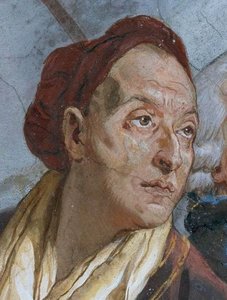
giambattista tiepolo
1696 - 1770 , Italy
Quick Facts
- Artistic Movement Or Style: Rococo
- Artists Or Movements Influenced By This Artist: ['Baroque']
- Artists Who Influenced This Artist: ['Nicolas Frémiet']
- Date Of Birth: Venice, Italy (1696)
- Date Of Death: Madrid, Spain (1770)
- Full Name: Giovanni Battista Tiepolo
- Nationality: Italian
- Notable Artworks:
- Assumption Tiepolo
- Young Man with Bow and large Quiver
- Place Of Birth: Venice

