

 Preview
 Send
Send Share
Share
 Details

 Download
 Similars
 X-Ray
X-Ray Diaporama
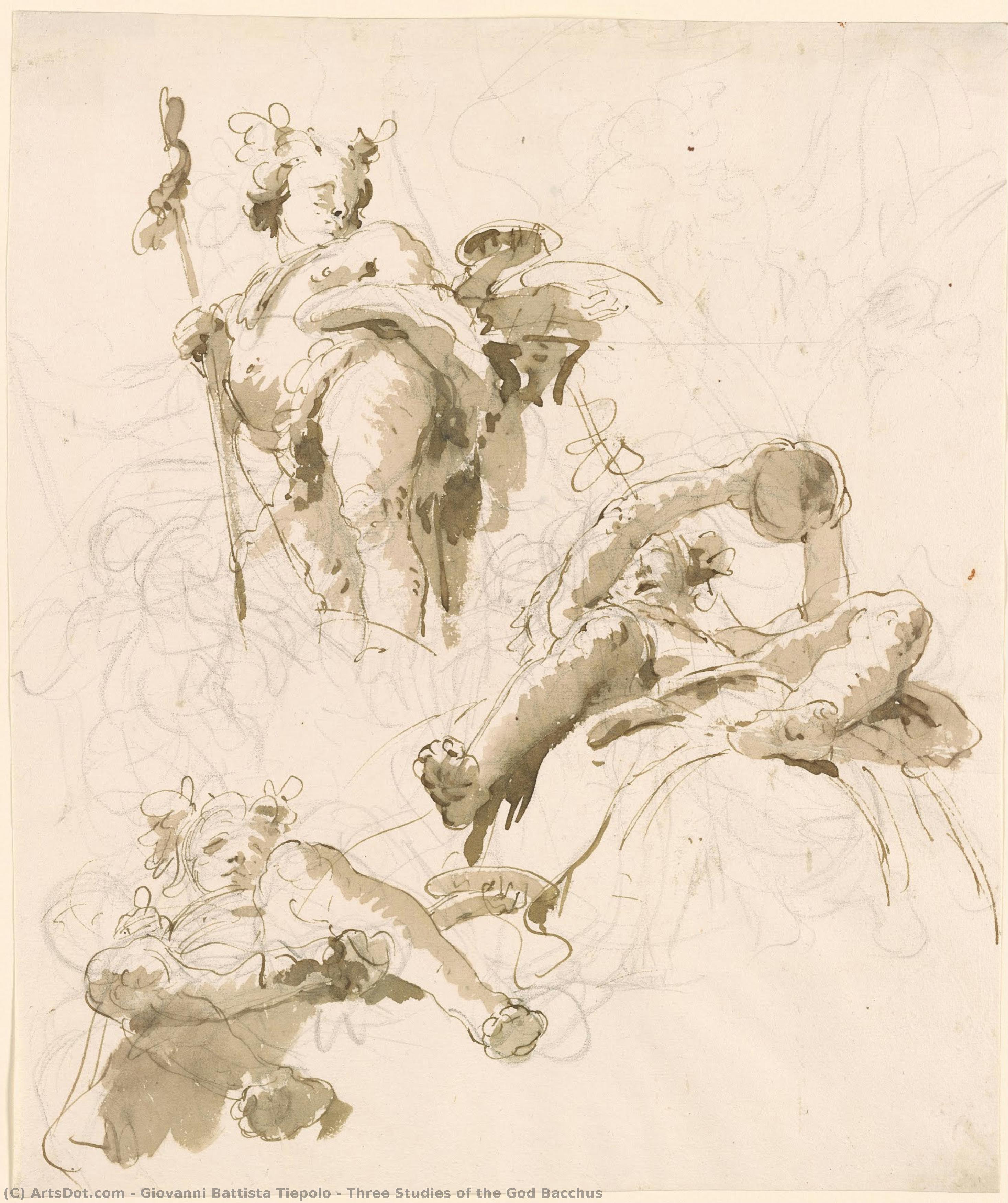
Three Studies of the God Bacchus
 Drawing
- WallArt
- Rococo
 1700
1700- Early Modern
 27.0 x 33.0 cm
 Read More
Purchase a high-resolution, enhanced digital image, far superior to the online preview.
Each file is meticulously prepared by our in-house specialists using advanced tools and expert manual retouching. We ensure every image has exceptional clarity, precise color accuracy, and fine detail.
The final file is delivered via email within 72 hours, optimized for immediate use in professional, editorial, and print environments. This is the same quality trusted by top-tier design studios, publishers, and galleries.
Digital Image
Download a high-resolution file for personal display, printing, and creative projects. ( Buy Print Buy Hand Made Painting)
Included in Every Digital Image Order
Expert Digital Delivery, Guaranteed
When you choose ArtsDot.com, you're not just getting an image - you're receiving a professionally enhanced digital artwork, crafted with precision and backed by a satisfaction guarantee. Here's everything that comes with your order, automatically:

Fast Email Delivery
Your high-resolution digital image file will be emailed to you within 72 hours of ordering - ready for immediate use.

AI-Enhanced Digital File
Your artwork is professionally optimized using advanced AI tools and manual editing, ensuring maximum detail, clarity, and color accuracy.

Free Lifetime Re-Delivery
Accidentally deleted or lost your file? No worries - we'll resend it to you anytime, free of charge.

No Import Fees - Ever
Enjoy your artwork instantly with zero customs, duties, or delivery fees - digital downloads are always tax-free.

Color Accuracy Guarantee
We ensure your digital image reflects the original colors as closely as possible using professional tools and color management.

60-Day Satisfaction Guarantee
If you're not satisfied with your digital image, we'll revise it or refund 100% within 60 days - no questions asked.

100% Money-Back Guarantee
Not satisfied? Get a full refund within 60 days of receiving your digital file - no questions asked.

Bulk Order Discounts
Buy 3 images, save 10% - Buy 5, save 15% - Buy 10+, save 20%. Great for creative projects, galleries, and agencies.
Collectible Description
A Visionary Trio: The Fluidity of Tiepolo’s Divine Studies
In the delicate interplay of light and shadow found within Three Studies of the God Bacchus, we encounter the raw, preparatory genius of Giambattista Tiepolo. Created around 1700, this exquisite black and white drawing serves as a window into the creative mind of a master who would eventually define the Rococo era. Rather than a finished, polished masterpiece intended for a grand salon, these studies offer something far more intimate: the rhythmic pulse of an artist searching for form. The composition presents three distinct iterations of a single divine figure, connected by a continuous, flowing line that guides the eye through a sequence of movement and posture. Through his masterful use of disegno, Tiepolo captures the essence of Bacchus—not merely as a static deity, and but as a living, breathing presence caught in various states of grace and repose.
The technical brilliance of this work lies in its economy of line and the profound depth achieved without the use of color. In the first study, the figure stands with a commanding yet graceful stability, clutching a staff and a bowl, establishing the iconographic foundation of the god. The second movement shifts into a more dynamic, equestrian scene, where the deity sits atop a horse, introducing a sense of kinetic energy and grandeur. Finally, the third study brings the viewer to a moment of quietude, as the figure lies down in a state of tranquil exhaustion. This progression from standing to riding to reclining creates a narrative arc of physical exertion and eventual rest, showcasing Tiepolo's ability to manipulate anatomy and weight within a minimalist medium.
The Essence of Venetian Rococo and Timeless Elegance
To possess or display a reproduction of these studies is to invite the sophisticated spirit of 18th-century Venice into a contemporary space. As an architect of light, Tiepolo’s work transcends the boundaries of time, offering a sense of classical prestige that complements both traditional and modern interiors. For the discerning collector or interior designer, this piece provides a focal point of intellectual depth; it is a conversation starter that speaks to the importance of process, movement, and the divine. The monochromatic palette ensures that the artwork integrates seamlessly into diverse color schemes, acting as a subtle yet powerful anchor in a room.
Beyond its aesthetic value, the work carries a profound emotional resonance. There is a certain vulnerability in seeing an artist's initial thoughts—the way a hand trembles or a line wanders—that creates a deep, empathetic connection between the viewer and the creator. These studies are more than mere sketches; they are the blueprints of myth. For those seeking to curate a collection that celebrates the intersection of classical mythology and technical mastery, Three Studies of the God Bacchus stands as an essential testament to the enduring power of the human hand and the eternal allure of the gods.
Related Artworks
Artist Biography
Giambattista Tiepolo: The Architect of Venetian Light
Giovanni Battista Tiepolo (1696 – 1770) stands as a titan amongst the painters of his era, an undisputed master of Rococo and arguably the most influential fresco artist of the eighteenth century. Born in Venice, Italy—a city steeped in artistic tradition—Tiepolo ascended to unparalleled fame through his breathtaking canvases and monumental murals that transformed churches and palaces into immersive experiences of color, drama, and illusionistic grandeur. His legacy continues to inspire artists today, cementing his place as one of the foremost figures in Venetian art history.- Early Life & Training: Tiepolo’s artistic journey began under the tutelage of Giovanni Antonio Pellegrini, a respected Venetian painter who instilled in him a foundational understanding of disegno—the Italian term for drawing and design—a cornerstone of Baroque aesthetics. Recognizing his prodigious talent, Pellegrini encouraged Tiepolo to pursue studies at Bolognese academies, where he honed his skills alongside artists like Francesco Bartolomeo Rastrelli and Antonio Canaletto, absorbing influences from both Baroque grandeur and emerging Rococo elegance.
- The Venetian Workshop & Artistic Breakthrough: Returning to Venice in 1726, Tiepolo established a prolific workshop that quickly became synonymous with artistic excellence. He embraced the stylistic precepts of Rococo—characterized by delicate ornamentation, pastel hues, and asymmetrical compositions—yet retained a core commitment to classical principles of proportion and perspective. This harmonious blend resulted in works that captivated audiences and garnered critical acclaim, notably his frescoes adorning Palazzo Labia and Ca’ Rezzonico.
- Royal Patronage & Grand Commissions: Tiepolo's artistic reputation swiftly attracted the attention of European monarchs, securing him lucrative commissions from kings and princes across Italy, Spain, and Prussia. His monumental frescoes in Schönbrunn Palace near Vienna and Sanssouci Palace in Potsdam exemplify his mastery of scale and theatrical presentation—transforming spaces into opulent spectacles that celebrated royal power and artistic innovation.
- Technique & Innovation: Tiepolo’s distinctive technique involved meticulous preparation, utilizing grisaille underdrawings to establish precise spatial relationships before applying layers of vibrant color. He pioneered innovative methods of pigment mixing and glazing—creating luminous surfaces that seemed to emanate light itself—a hallmark of his unparalleled artistic vision. His frescoes are renowned for their masterful use of chiaroscuro—the interplay between light and shadow—generating a palpable sense of depth and dynamism.
- Legacy & Influence: Tiepolo’s influence extended far beyond his lifetime, shaping the aesthetic sensibilities of subsequent generations of artists. His emphasis on illusionistic painting profoundly impacted Baroque and Rococo styles, establishing him as an undisputed champion of theatrical grandeur and visual splendor. Today, Tiepolo's works continue to inspire awe and admiration, serving as enduring monuments to Venetian artistic genius.
Notable Works & Artistic Achievements
- Assumption of Mary at San Giorgio Maggiore: Considered Tiepolo’s masterpiece, this monumental fresco exemplifies his unparalleled skill in creating immersive environments and conveying profound spiritual emotion. Its soaring ceiling depicts the Virgin Mary ascending into heaven amidst a celestial procession—a breathtaking spectacle of color and movement that remains unsurpassed.
- The Triumph of Saint Peter: Located in St. Peter’s Basilica, Rome, this fresco commemorates the papal coronation ceremony—a grand celebration of papal authority rendered with meticulous detail and luminous vibrancy.
- Palazzo Labia Frescoes: Tiepolo's frescoes within Palazzo Labia showcase his mastery of illusionistic painting—creating a captivating panorama of Venetian life that transports viewers back to the eighteenth century.
Connections & Artistic Influences
Tiepolo’s artistic development was profoundly shaped by the prevailing stylistic currents of his time. He absorbed influences from Caravaggio’s dramatic chiaroscuro and Bernini’s sculptural virtuosity—embracing Baroque grandeur while simultaneously exploring the delicate aesthetic principles of Rococo. Furthermore, he collaborated closely with Antonio Canaletto, whose meticulous cityscape paintings served as inspiration for Tiepolo's own depictions of Venetian urban landscapes.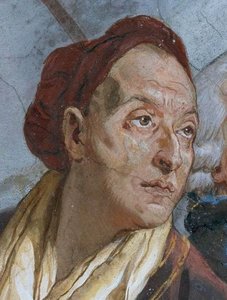
giambattista tiepolo
1696 - 1770 , Italy
Quick Facts
- Artistic Movement Or Style: Rococo
- Artists Or Movements Influenced By This Artist: ['Baroque']
- Artists Who Influenced This Artist: ['Nicolas Frémiet']
- Date Of Birth: Venice, Italy (1696)
- Date Of Death: Madrid, Spain (1770)
- Full Name: Giovanni Battista Tiepolo
- Nationality: Italian
- Notable Artworks:
- Assumption Tiepolo
- Young Man with Bow and large Quiver
- Place Of Birth: Venice

