

 Send
Send Share
Share
 Details

 Download
 Similars
 Diaporama
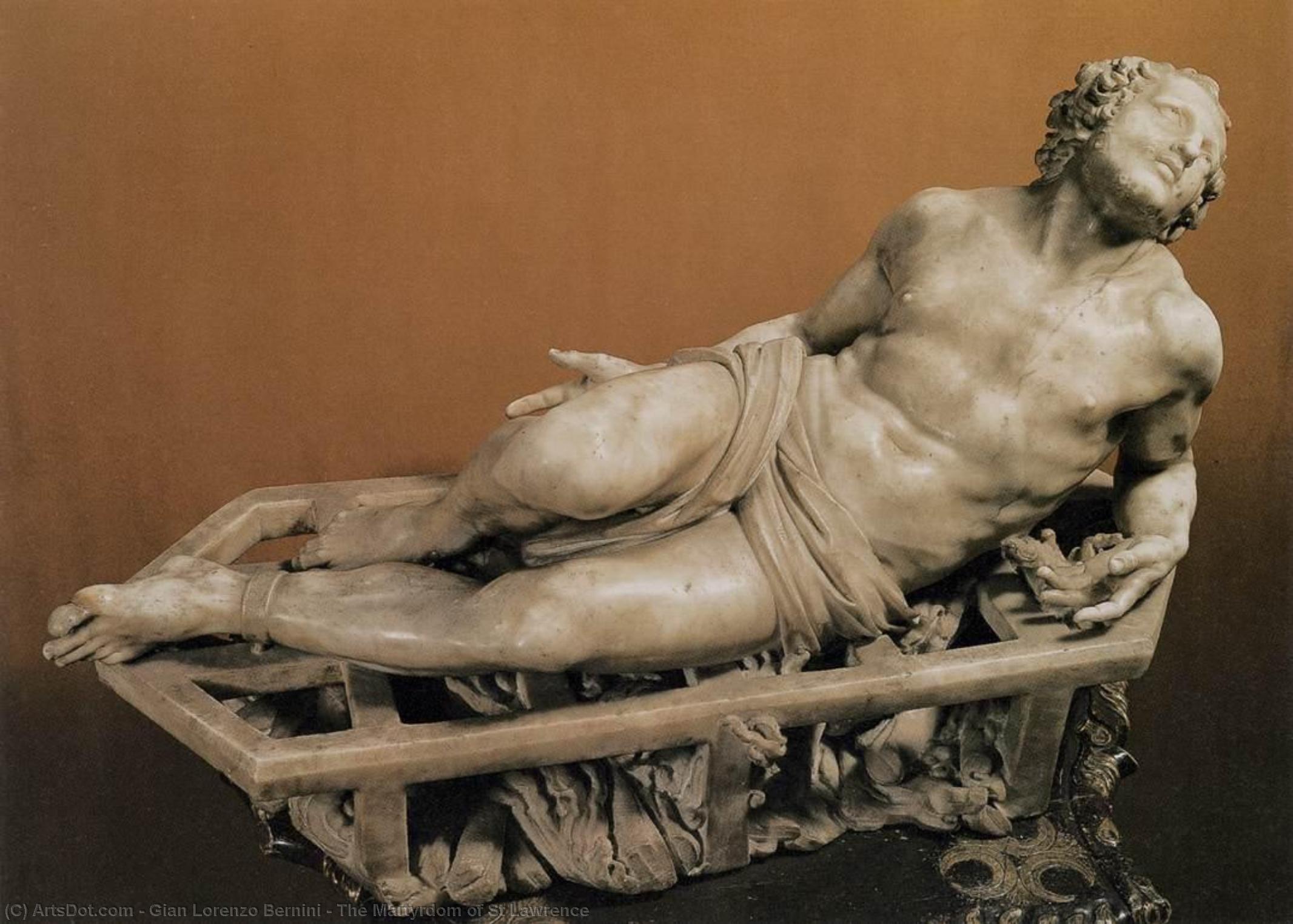
The Martyrdom of St Lawrence
 Marble
- Sculpture
- Baroque
 1614
1614- Early Modern
 66.0 x 108.0 cm
 Galleria degli Uffizi
 Read More
Purchase a high-resolution, enhanced digital image, far superior to the online preview.
Each file is meticulously prepared by our in-house specialists using advanced tools and expert manual retouching. We ensure every image has exceptional clarity, precise color accuracy, and fine detail.
The final file is delivered via email within 72 hours, optimized for immediate use in professional, editorial, and print environments. This is the same quality trusted by top-tier design studios, publishers, and galleries.
Digital Image
Download a high-resolution file for personal display, printing, and creative projects. ( Buy Print Buy Hand Made Painting)
Included in Every Digital Image Order
Expert Digital Delivery, Guaranteed
When you choose ArtsDot.com, you're not just getting an image - you're receiving a professionally enhanced digital artwork, crafted with precision and backed by a satisfaction guarantee. Here's everything that comes with your order, automatically:

Fast Email Delivery
Your high-resolution digital image file will be emailed to you within 72 hours of ordering - ready for immediate use.

AI-Enhanced Digital File
Your artwork is professionally optimized using advanced AI tools and manual editing, ensuring maximum detail, clarity, and color accuracy.

Free Lifetime Re-Delivery
Accidentally deleted or lost your file? No worries - we'll resend it to you anytime, free of charge.

No Import Fees - Ever
Enjoy your artwork instantly with zero customs, duties, or delivery fees - digital downloads are always tax-free.

Color Accuracy Guarantee
We ensure your digital image reflects the original colors as closely as possible using professional tools and color management.

60-Day Satisfaction Guarantee
If you're not satisfied with your digital image, we'll revise it or refund 100% within 60 days - no questions asked.

100% Money-Back Guarantee
Not satisfied? Get a full refund within 60 days of receiving your digital file - no questions asked.

Bulk Order Discounts
Buy 3 images, save 10% - Buy 5, save 15% - Buy 10+, save 20%. Great for creative projects, galleries, and agencies.
A Vision of Devotion: The Genesis of a Baroque Master
In the annals of art history, few moments are as poignant as the emergence of a prodigy. The Martyrdom of St Lawrence, sculpted by the incomparable Gian Lorenzo Bernini around 1614, serves as a breathtaking introduction to the genius who would eventually redefine the Roman Baroque. Created when the artist was a mere fifteen years old, this marble masterpiece is far more than a youthful exercise; it is a profound exploration of spiritual ecstasy and physical suffering. The sculpture captures the saint at the height of his ordeal, positioned upon a gridiron, yet Bernini transcends the brutality of the subject matter to find a sense of divine transcendence. To behold this work is to witness the very moment where raw human agony begins to dissolve into celestial peace, a duality that would become the hallmark of Bernini’s legendary career.
The historical context of this piece is steeped in personal legend. It is whispered by his biographer, Domenico Bernini, that the young sculptor sought to truly understand the saint's plight by placing his own leg near smoldering ashes, using a mirror to observe how heat altered the flesh. This intense, almost visceral commitment to realism is etched into every curve of the marble. The work emerged during a period of fervent religious revival, where art served as a powerful tool of the Counter-Reformation, designed to stir the soul and reaffirm the sanctity of the martyrs through overwhelming sensory experience.
Technical Mastery and the Language of Marble
Technically, the sculpture is a triumph of chiaroscuro rendered in stone. Bernini utilizes the natural properties of white marble to create a dramatic interplay of light and shadow that breathes life into the inanimate. The composition is masterfully arranged; the body of the saint lies diagonally across the structure, a choice that introduces a dynamic tension and prevents the viewer's eye from resting too easily. This diagonal movement guides the gaze through the intricate folds of the drapery and along the meticulously modeled musculature, showcasing an anatomical precision that rivals much older classical traditions.
The sculptor’s ability to manipulate texture is nothing short of miraculous. One can almost feel the contrast between the smooth, polished skin of the saint and the rugged, heavy weight of the wooden-like base. The drapery flows with a rhythmic grace, its deep undercuts creating pockets of darkness that lend a sense of profound depth and volume to the piece. For the collector or the interior designer, such a work offers an unparalleled study in form; it possesses a sculptural gravity that commands any space, providing a focal point that is both intellectually stimulating and aesthetically sublime.
Symbolism and Emotional Resonance
Beyond its technical brilliance, The Martyrdom of St Lawrence is a deeply symbolic narrative. The gridiron serves as the grim instrument of death, yet it also acts as an altar of sacrifice. The saint’s face, often described as possessing a serene, upward gaze, symbolizes the triumph of the spirit over the frailty of the flesh. This tension between the physical torment of the martyrdom and the spiritual liberation of the soul creates an emotional resonance that is both haunting and uplifting.
For those seeking to incorporate the grandeur of the Baroque into a curated collection or a sophisticated interior, this piece offers a unique opportunity. It is not merely a depiction of a historical event, but an invitation to contemplate themes of resilience, faith, and the sublime. A high-quality reproduction of this work allows the timeless elegance of Bernini’s vision to inhabit modern spaces, bringing with it a sense of historical weight, dramatic flair, and a profound, quiet beauty that continues to captivate the human heart centuries after its creation.
Related Artworks
Artist Biography
A Roman Genius: The Life and Legacy of Gian Lorenzo Bernini
Born in Naples in 1598, Gian Lorenzo Bernini arrived into a world poised on the cusp of dramatic artistic change. His father, Pietro Bernini, was a respected sculptor in his own right, and it was within this familial workshop that young Gian Lorenzo’s prodigious talent first blossomed. The seeds of his future mastery were sown not merely through technical training—rigorous though it was—but also through an early immersion in the classical heritage of Rome. He devoured the sculptures housed within the Vatican collections, absorbing their forms and principles with a voracity that would define his artistic vision. Even as a child, Bernini’s skill surpassed that of his father, hinting at the revolutionary force he would become. This innate ability quickly attracted attention, most notably from Cardinal Maffeo Barberini, who would later ascend to the papacy as Urban VIII and become Bernini's most influential patron, shaping not only his career but also the very aesthetic landscape of Rome itself.Sculpting Emotion: The Birth of Baroque Drama
Bernini is unequivocally considered the preeminent sculptor of the Baroque period, a style characterized by its dynamism, emotional intensity, and sheer grandeur. He didn’t simply sculpt figures; he breathed life into marble, capturing moments of profound psychological depth and dramatic narrative with unparalleled skill. Where Renaissance sculpture often prioritized idealized form and static beauty, Bernini embraced movement, theatricality, and the raw power of human emotion. His work moved beyond mere representation to evoke a visceral response in the viewer. Key elements define his distinctive style: a masterful ability to convey complex emotions through facial expressions and body language; an astonishing technical proficiency that allowed him to render textures—flowing hair, delicate fabrics, smooth skin—with breathtaking realism; and above all, a commitment to dramatic narrative, depicting moments of intense action or spiritual climax. The Ecstasy of Saint Teresa, housed in the Cornaro Chapel, remains perhaps his most iconic achievement – a swirling composition of marble, bronze, and light that captures a mystical experience with an almost overwhelming emotional force. Other masterpieces like Apollo and Daphne and David showcase this same dynamic energy, transforming stone into fleeting moments of transformation and poised tension.Beyond Sculpture: Architecture and Urban Visions
Bernini’s genius extended far beyond the realm of sculpture. He was a remarkably versatile artist who made significant contributions to architecture and urban planning, fundamentally reshaping the cityscape of Rome. His architectural designs were never conceived in isolation; they were always integrated with his sculptural work, creating unified artistic experiences that blurred the boundaries between disciplines. The monumental Baldacchino above the high altar of St. Peter’s Basilica is a testament to this holistic approach—a soaring bronze canopy that dominates the space and draws the eye upwards in awe. He also played a pivotal role in redesigning several Roman piazzas, transforming them into vibrant public spaces. The Fountain of the Four Rivers in Piazza Navona, with its allegorical figures representing major rivers from different continents, is a prime example of his ability to create dynamic and engaging urban environments. His work on St. Peter’s Basilica, including the expansive colonnade that embraces visitors as they approach, dramatically altered the basilica's appearance and created a grand ceremonial space befitting the heart of Christendom.A Lasting Influence: Bernini’s Historical Significance
Gian Lorenzo Bernini profoundly impacted the course of Western art. His innovative approach to sculpture established the Baroque style as a dominant force in European art for over a century, influencing generations of artists with his dramatic compositions and technical virtuosity. He wasn't merely an imitator of classical forms; he synthesized them with a new sense of dynamism and emotional intensity, creating something entirely original. His integration of sculpture, architecture, and painting into unified artistic experiences set a new standard for artistic expression, demonstrating the power of art to engage all the senses and evoke profound emotions. As Howard Hibbard eloquently noted, Bernini’s impact was so significant that he stands as “the greatest sculptor of the 17th century.” His works continue to inspire awe and admiration, solidifying his place as one of history's most important artists—a true *uomo universale* whose legacy continues to resonate today.Family & Further Achievements
- Pietro Bernini: Gian Lorenzo’s father, a sculptor who provided early training and guidance.
- Cardinal Scipione Borghese: An early patron whose commissions allowed Bernini to develop his signature style.
- Pope Urban VIII: Bernini's most significant patron, providing extensive opportunities for architectural and sculptural projects in Rome.
- Architectural Projects: Beyond St. Peter’s Basilica, Bernini designed churches like Sant’Andrea al Quirinale and contributed to the design of Palazzo Barberini.
- Theatrical Designs: He was also a playwright and stage designer, creating elaborate sets and machinery for theatrical productions.
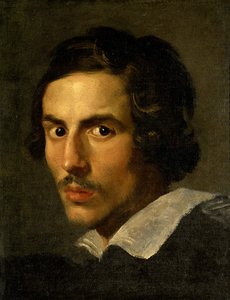
Gian Lorenzo Bernini
1598 - 1680 , Italy
Quick Facts
- Artistic Movement Or Style: Baroque
- Artists Or Movements Influenced By This Artist:
- Baroque sculpture
- European art
- Artists Who Influenced This Artist:
- Pietro Bernini
- Michelangelo
- Date Of Birth: December 7, 1598
- Date Of Death: November 28, 1680
- Full Name: Gian Lorenzo Bernini
- Nationality: Italian
- Notable Artworks:
- Ecstasy of Saint Teresa
- Apollo and Daphne
- David
- The Baldacchino
- Fountain of Four Rivers
- Place Of Birth: Naples, Italy

