 Preview
 Send
Send Share
Share
 Details

 Download
 Similars
 X-Ray
X-Ray Diaporama
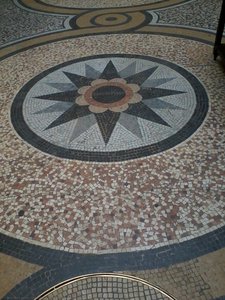
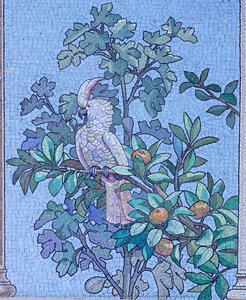
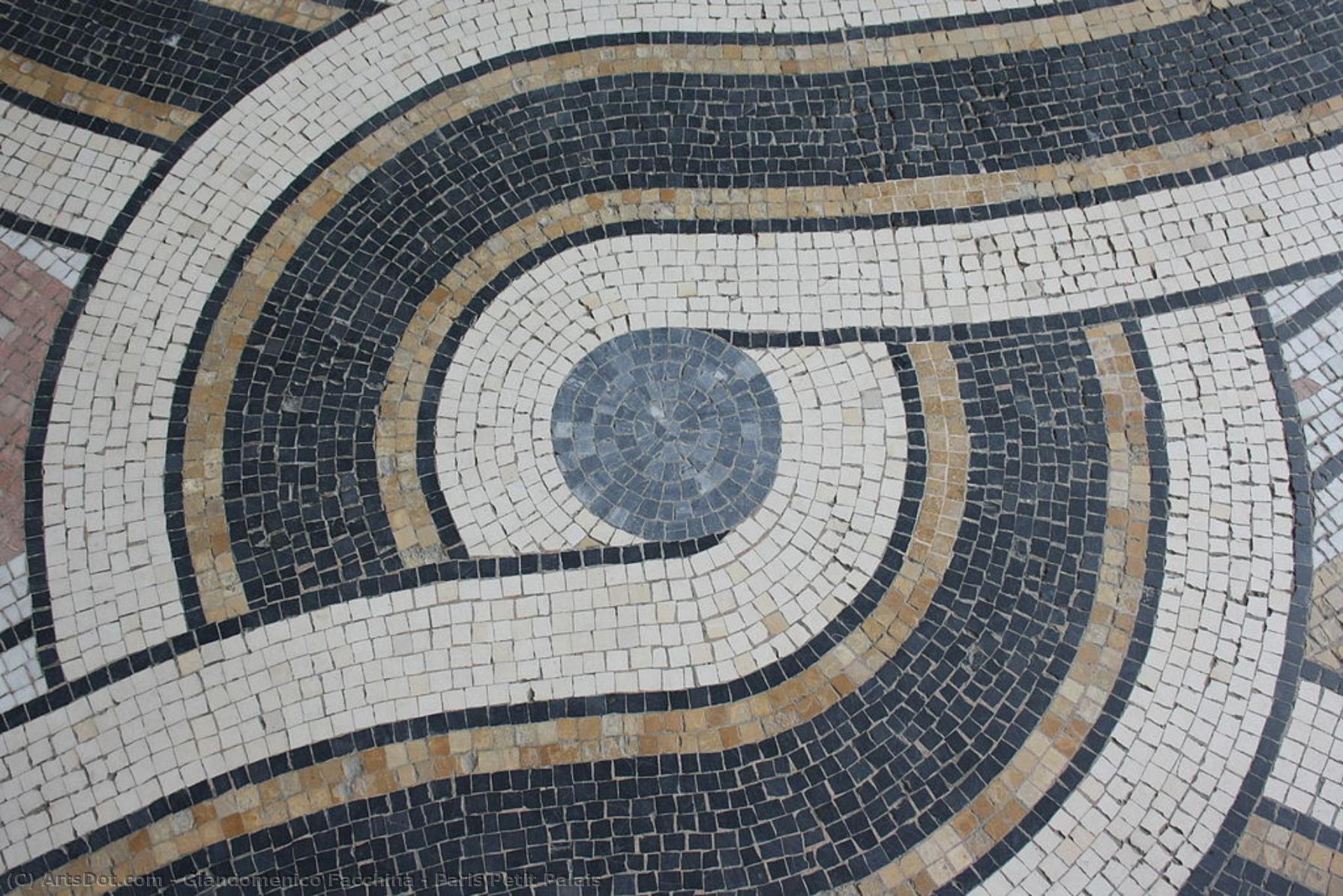
Paris Petit Palais
 Read More
Hand Made Oil Reproduction
Hand-painted oil on canvas in your size and frame, made to order by our artists. ( Buy Print Buy Image)




































Pick from our preset sizes that match the artwork's original proportions.

You may enter your own dimensions to fit a specific frame or space. If your selected size does not match the original image's proportions, we will either crop the artwork or extend the painting with additional hand-painted elements. A digital mockup will be sent for your approval before production begins.
Please note that the on-screen preview does not reflect the actual cropping or extension. Only the mockup will accurately show the final composition.
While custom sizes are available, we recommend selecting a dimension from the predefined list to preserve the original proportions.
After order, ArtsDot.com team will email client for instructions and provide a mockup preview
Worldwide Delivery () in 3/4 weeks instead of standard 5 weeks. (31 August). No compromise on quality.

Free Worldwide Express Shipping

High-Quality Linen Canvas

Full Shipping Insurance

Customs Tax Refund Guarantee

True Color Matching Guarantee

60-Day Return Policy (Defects Only)

100% Money-Back Guarantee

Bulk Discount Offer
 Glass option is only available in size under 110 CM

Paris Petit Palais
Reproduction Medium
Reproduction Size
-


Total Price
$ 263
Related Artworks








Artist Biography
A Legacy in Tesserae: The Life and Innovations of Giandomenico Facchina
Giandomenico Facchina, born in 1826 in the small Italian town of Sequals, nestled within what was then the Lombard-Venetian Kingdom, emerged as a pivotal figure in the world of mosaic art. His journey, spanning both Italy and France, wasn’t merely one of artistic creation but of profound technical innovation that democratized access to this ancient and revered medium. Facchina's early training in Trieste and Venice steeped him in the rich artistic traditions of those cities, laying a foundation for his future endeavors. However, it was through the meticulous work of restoration – specifically, his involvement with the iconic St Mark’s Basilica in Venice – that he truly began to understand the intricacies of mosaic construction, both historically and practically. This initial experience wasn't simply about preserving the past; it sparked within him a desire to reimagine how mosaics could be created and implemented in the present.Revolutionizing Mosaic Production: A Prefabricated Future
The mid-19th century found Facchina venturing into France, initially undertaking floor restorations in Montpellier. It was here that his groundbreaking ideas began to take shape. Recognizing the labor-intensive and time-consuming nature of traditional mosaic work, he sought a more efficient method. This led to the development of his patented technique – a revolutionary approach to mosaic creation centered around *prefabrication*. The core innovation lay in adhering tesserae, those tiny pieces of glass, stone or ceramic that form the image, onto flexible cardboard backing. Entire sections of mosaic could then be created in a workshop environment and transported for quick and efficient installation on freshly mortared walls. This wasn’t merely a streamlining of process; it was a fundamental shift in how mosaics were conceived and executed. The benefits were manifold: reduced on-site labor, lowered production costs making mosaics accessible to a wider clientele, and increased precision and control over the final artwork. The impact of this technique resonated throughout Europe, transforming architectural ornamentation.Triumph at Paris and Enduring Monuments
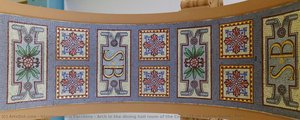
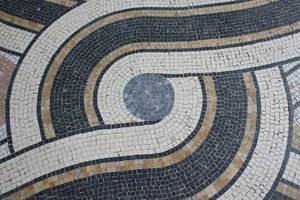
Facchina’s prefabricated mosaic technique garnered widespread acclaim following its showcase at the Exposition Universelle in 1855, held in Paris. This recognition opened doors to numerous prestigious commissions, solidifying his reputation as a master craftsman and innovator. Perhaps his most celebrated contribution was his work on the newly constructed Opéra Garnier in Paris – a testament to both his skill and ingenuity. The opulent interiors of this architectural masterpiece bear witness to Facchina’s artistry, showcasing the elegance and precision achievable through his innovative methods. Beyond the Opera Garnier, his influence is visible in other significant Parisian landmarks. The Collège Sainte-Barbe boasts stunning mosaics created by Facchina within its dining hall and arches, examples that continue to captivate viewers with their detailed execution. Similarly, the Galerie Vivienne showcases intricate mosaic floors designed by Facchina, embodying a classical elegance that endures to this day. These projects weren’t simply decorative additions; they were integral components of the architectural vision, brought to life through Facchina's unique approach.Artistic Influences and Lasting Significance
Facchina’s artistic development was deeply rooted in a reverence for historical techniques, particularly those he encountered during his restoration work at St Mark’s Basilica. The rich colors and intricate patterns of Byzantine mosaics served as a constant source of inspiration. However, he wasn't merely a copyist; he skillfully adapted these traditions to meet the demands of 19th-century architectural projects and client expectations. He blended historical artistry with modern efficiency, creating a unique aesthetic that was both timeless and contemporary. Giandomenico Facchina’s legacy extends far beyond his individual artworks. He fundamentally altered mosaic production, bridging the gap between traditional craftsmanship and industrial innovation. His prefabricated technique democratized access to this art form, making it feasible for large-scale decorative schemes previously considered unattainable. He continued working between studios in Venice and Paris until his death in 1903, leaving behind a lasting impact on architectural ornamentation throughout Europe – a testament to the power of artistic vision combined with technical ingenuity.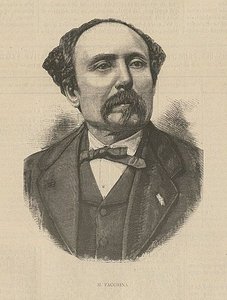
Giandomenico Facchina
1826 - 1903 , Italy
Quick Facts
- Artistic Movement Or Style: Mosaic Art
- Artists Or Movements Influenced By This Artist: ['Mosaic production techniques']
- Artists Who Influenced This Artist: ['Byzantine mosaicists']
- Date Of Birth: 1826
- Date Of Death: 1903
- Full Name: Giandomenico Facchina
- Nationality: Italian
- Notable Artworks:
- St Mark's Basilica restoration
- Opéra Garnier mosaics
- Collège Sainte-Barbe arch
- Galerie Vivienne floors
- Place Of Birth: Sequals, Italy